16 September 2026
Dheeraj Jayant
In the mountains of Cabo Verde, a native species of orchid is quietly rewriting its own history…
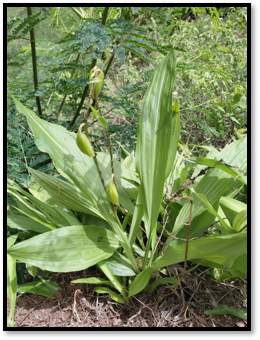
For decades, Eulophia guineensis was considered extinct in the archipelago. Then, in 2009, a small population was rediscovered by a team of researchers from the Canary Islands on the island of Brava. Fifteen years later, in July 2024, our local biodiversity association – Biflores – found the species again in a different part of the island, growing in areas where our local biodiversity conservation association had removed invasive vegetation, as a part of a larger ecological restoration initiative. In 2026, new populations emerged. We shared the information during an exchange in Brava with Fogo based conservation NGO Association Projeto Vito. Shortly after, they located the orchid on Fogo Island. And now, a chance encounter between two conservationists has led to its confirmation in a third island: Santiago!
An orchid once thought extinct may now be ‘returning to life’ across Cabo Verde. This is a story about rediscovery, but also about radical hope, the importance of looking closely, restoring degraded habitats, and recognizing the knowledge held by people who live and work in the landscape.
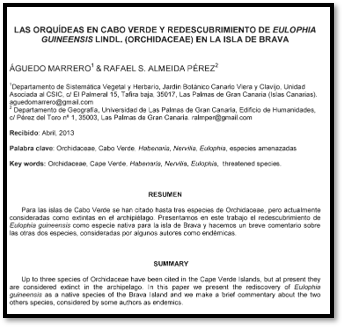
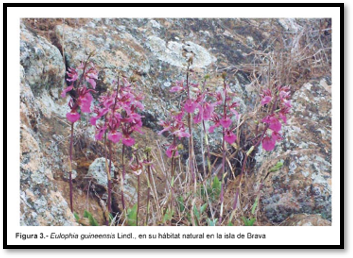
In January 2013, botanists Aguedo Marrero and Rafael S. Almeida Perez published an article in Botanica Macaronesica on the three known orchid species from Cape Verde: Habenaria petromedusae, Nervillia bollei and Eulophia guineensis. All three had been considered extinct in the archipelago, according to the Primeira Lista Vermelha de Cabo Verde (First Red List of Cabo Verde) published by Leyens and Lobin in 1996. Their article presented an important discovery: Eulophia guineensis was still present in Cabo Verde and could be confirmed as a native species of Brava. During an expedition in 2009, the authors found a small community of the orchid in the high-altitude locality of Fontainhas, at approximately 800–900 metres above sea level. The rediscovery was significant. But it also highlighted how little was known about the species, its distribution and the threats it faced.
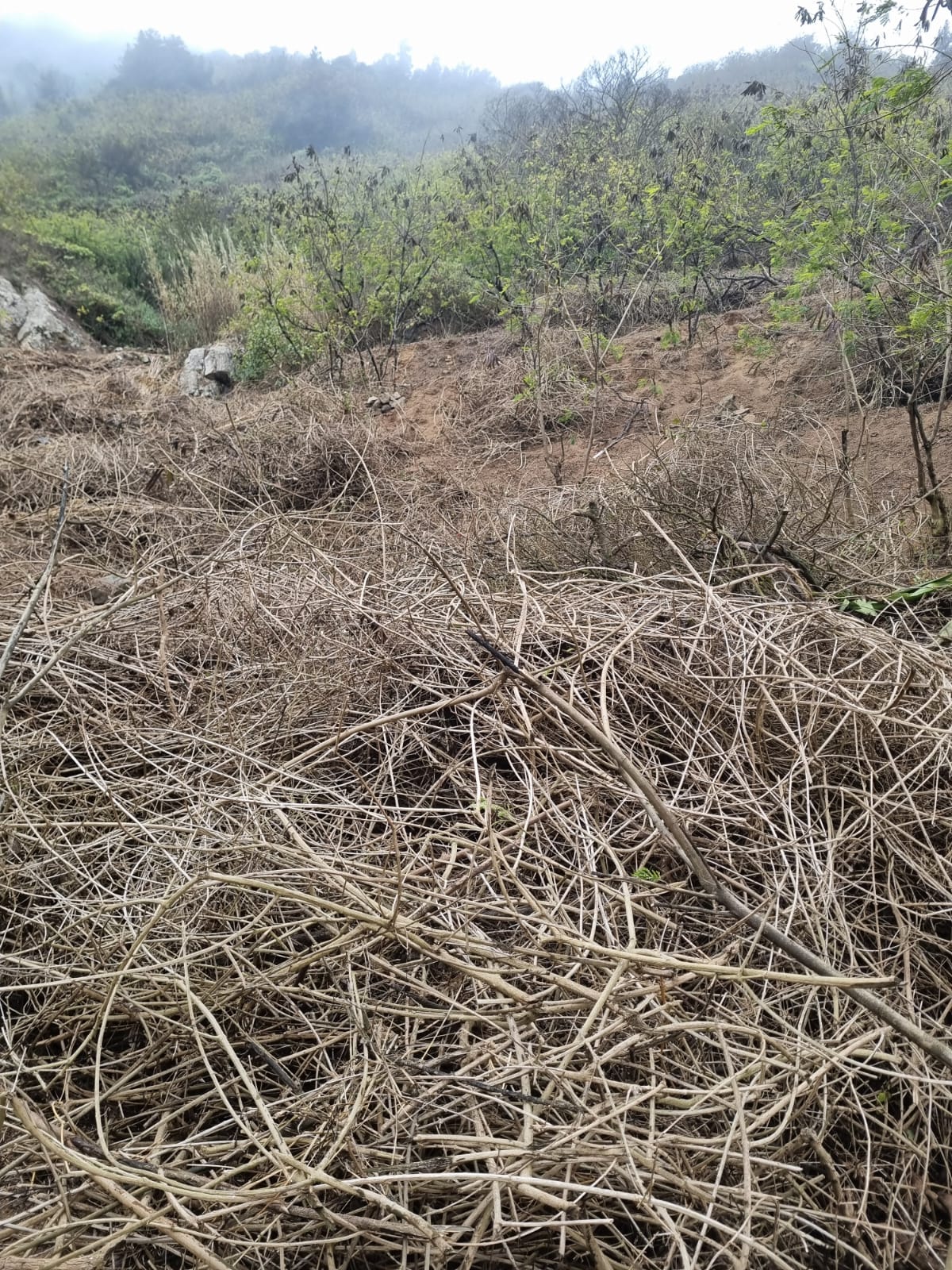
The authors pointed to a long history of habitat degradation in Cape Verde. Deforestation and agricultural policy, especially during the colonial period, significantly altered the native vegetation. Post- independence, drought-resistant, exotic species (including Furcraea foetida, Lantana camara, Nelthuma juliflora, Arundo donax and Desmanthus virgatus) were introduced with the noble intentions of providing energy, animal nutrition, prevent soil erosion and combat desertification. However, due to widespread land abandonment, social control over these species eroded, causing them to turn invasive and presenting an important challenge to the survival of native and endemic plants.
The orchid survived the violent modifications of these ecosystems. But would it continue to do so?
Brava – A botanical treasure waiting to be explored
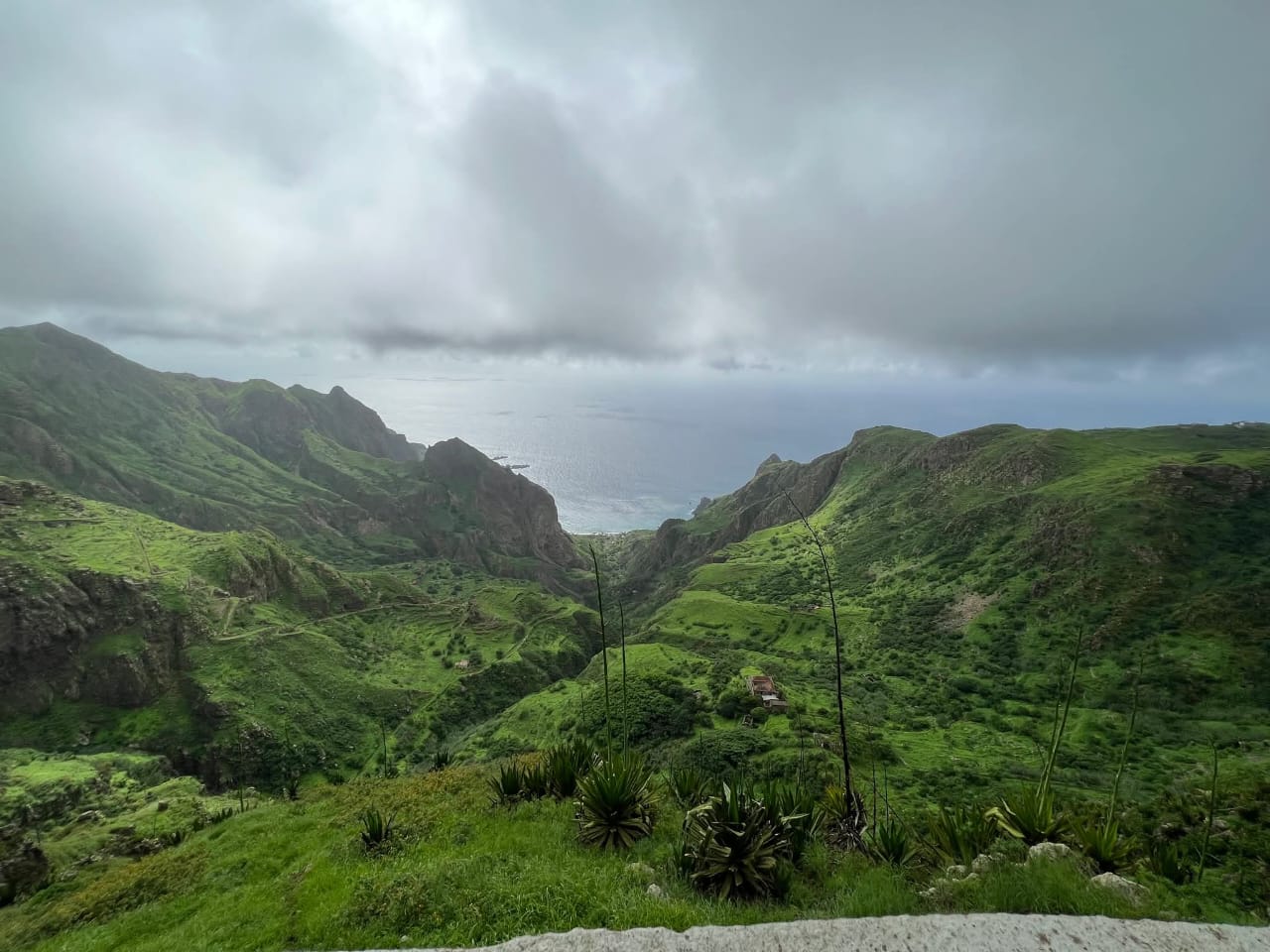
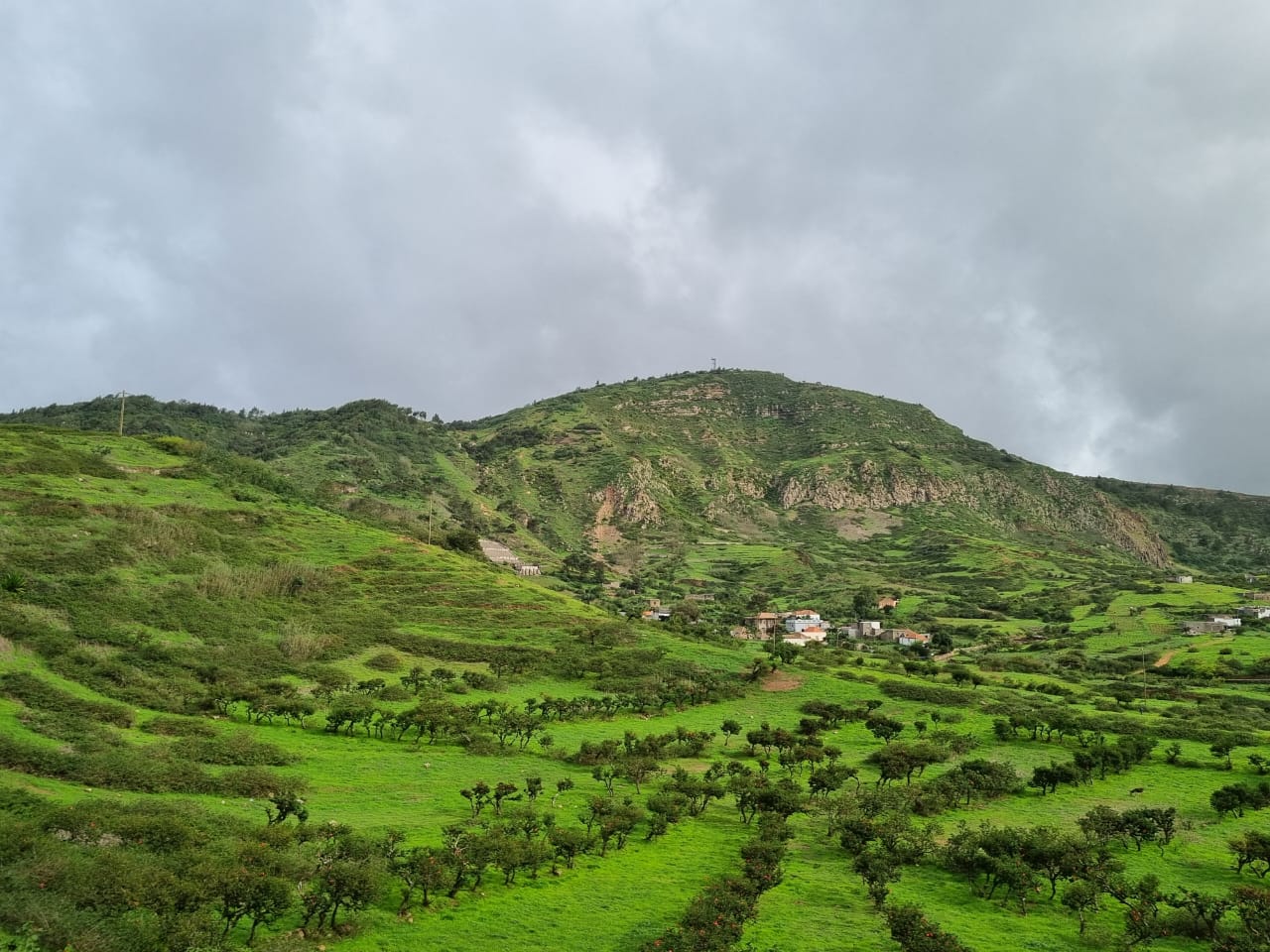
Brava, known as ‘The Island of Flowers’ is the smallest inhabited island of Cabo Verde. It is also one of its most botanically remarkable. Scientific studies demonstrate that Brava harbours some of the most diverse vegetation in the country. With 239 plant species, it has the highest total plant species richness of any Cape Verdean island, as reported by Duarte et al. (2008). It also has the second-highest endemic floral species richness, with 25 formally documented endemic taxa.
Yet, until recently, this remarkable diversity has received comparatively little conservation attention. As Beltran et al. (2021) noted, Brava’s small size, limited population and insularity have contributed to its relative neglect in conservation initiatives. Reaching the island is not easy. Brava is accessible exclusively by ferry, generally two or three times a week. For visiting botanists, this means that time in the field is precious. Organizing extensive surveys is difficult when transport schedules, weather and limited logistical resources constrain every visit. As a result, the island’s flora has remained incompletely documented. And often, the most important discoveries are made not by visiting specialists, but by people who know the land.
Our association – Associação de conservação da biodiversidade – Biflores – was created to safeguard the inseparable natural-cultural tradition of ‘Bravenses’ and to foster community-led conservation initiatives that promote the sustainable stewardship of Brava’s heritage.
Local Ecological Knowledge – An essential tool for conservation
In November 2022, we organized a week-long training for its technicians with leading Cabo Verdean botanist Dr. Isildo Gomes. During the fieldwork component, two endangered endemic plant species were documented on Brava for the very first time: Piorno de flor amarela (Helianthemum gorgoneum) and Fel de Terra (Centaurium tenuiflorum). The observations were made thanks to the traditional ecological knowledge of Mr. Carlos Bango, a local farmer, pastoralist and environmentalist who had just joined our team.
Prior to the training, Carlos had no formal education in endemic species identification or botany. Yet he already knew the landscape. Guided since his childhood by his mother, Margarida ‘Gidinha‘ Ribeiro, he learned to observe Brava’s plants, its insects, its birds, its seasons, its slopes and the places where vegetation appeared, as he accompanied his herd throughout the island in search of pasture and water. What he needed was not to be taught everything from the beginning, but to have his knowledge merged with botanical science. The experience was a powerful reminder: scientific knowledge and traditional ecological knowledge are not necessarily competing forms of understanding. When brought together, they can reveal much more than either can alone.
For us at Biflores, it also reinforced the need to organize extensive botanical surveys across Brava to better understand and document the island’s flora and vegetation. In early 2023, we undertook a thorough review of the scientific literature on Brava’s flora and vegetation. The 2013 article by Marrero and Almeida Perez immediately caught our team’s attention. An orchid once considered extinct had been found on Brava. Was it still there? Our team began investigating during our weekly botanical surveys. Month after month, we found no sign of Eulophia guineensis. The orchid had been rediscovered in 2009. But more than a decade had passed. Invasive species had proliferated rampantly. Could the small population found by the Spanish botanists have (re)gone extinct?
Across Brava’s middle and highlands, from approximately 550 to 979 metres, invasive plants have taken over an estimated 60–70% of the habitat. Lantana camara, Furcraea foetida, Arundo donax and Ageratina adenophora have proliferated rampantly, suffocating native vegetation and completely transforming the landscape. For communities of native and endemic plants, the consequences can be devastating. A species may survive in a few isolated places, but if those habitats are gradually overwhelmed, its future becomes uncertain. Our team wondered whether the orchid had already disappeared again.
Restoration begins with the community
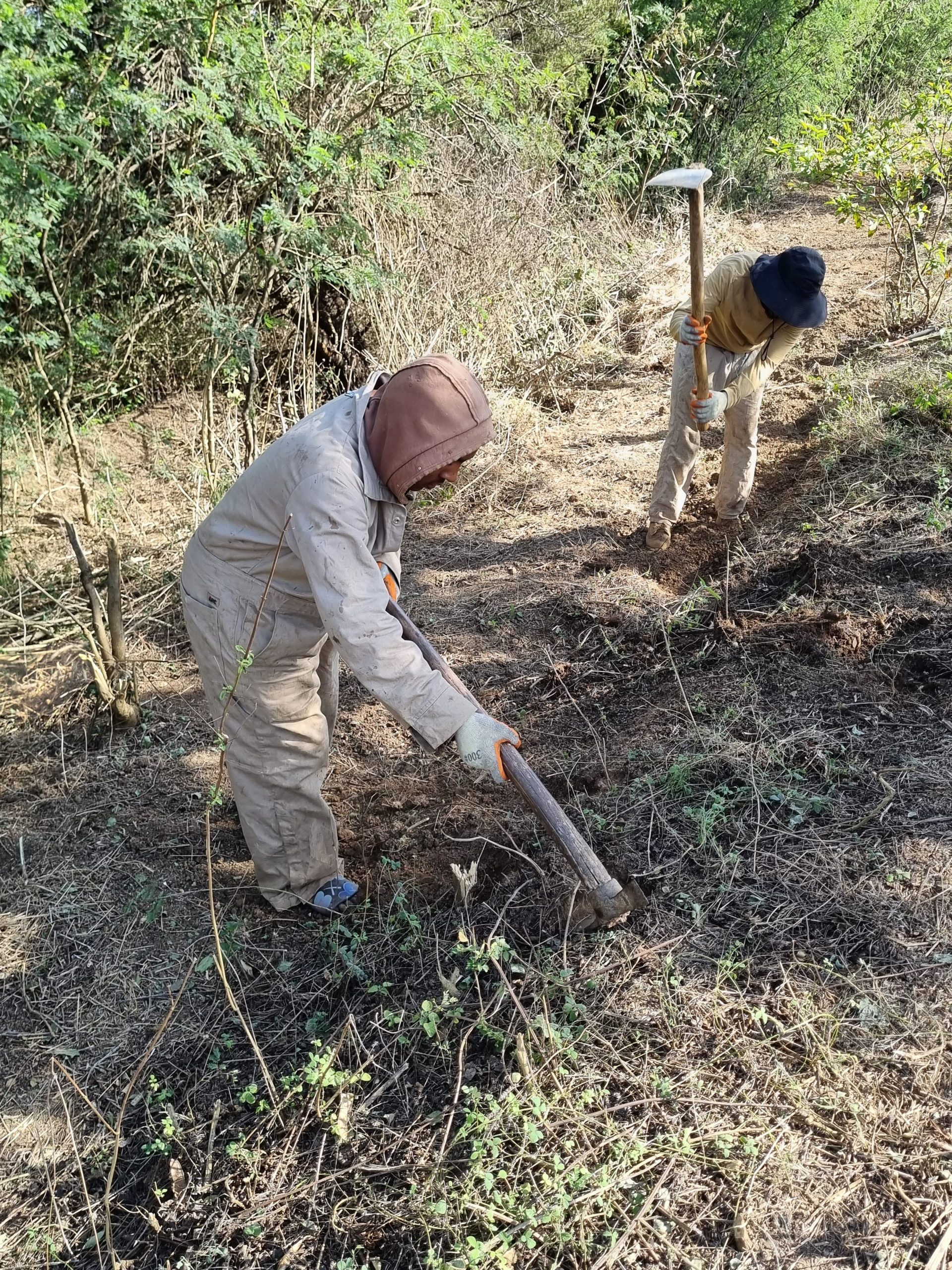
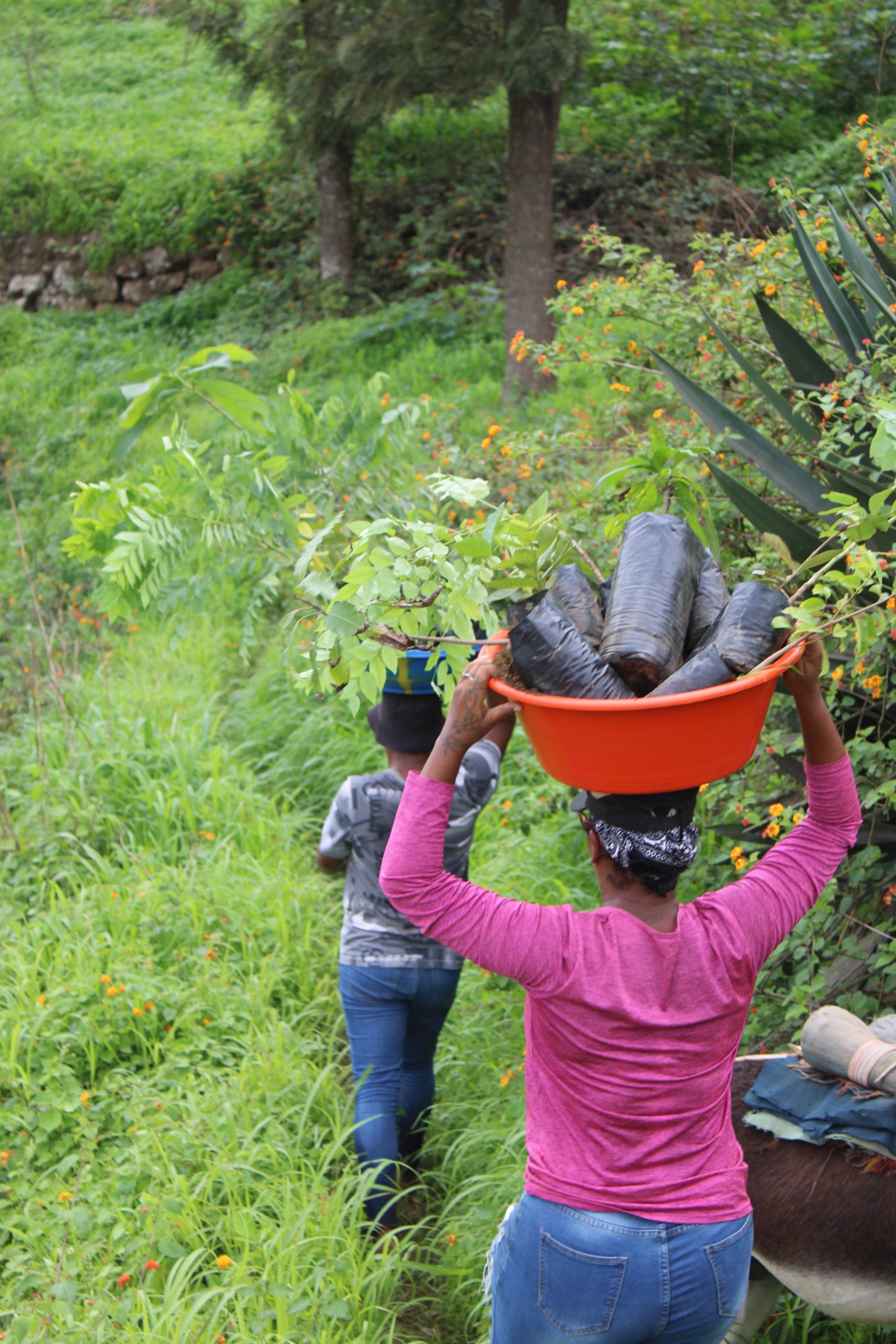
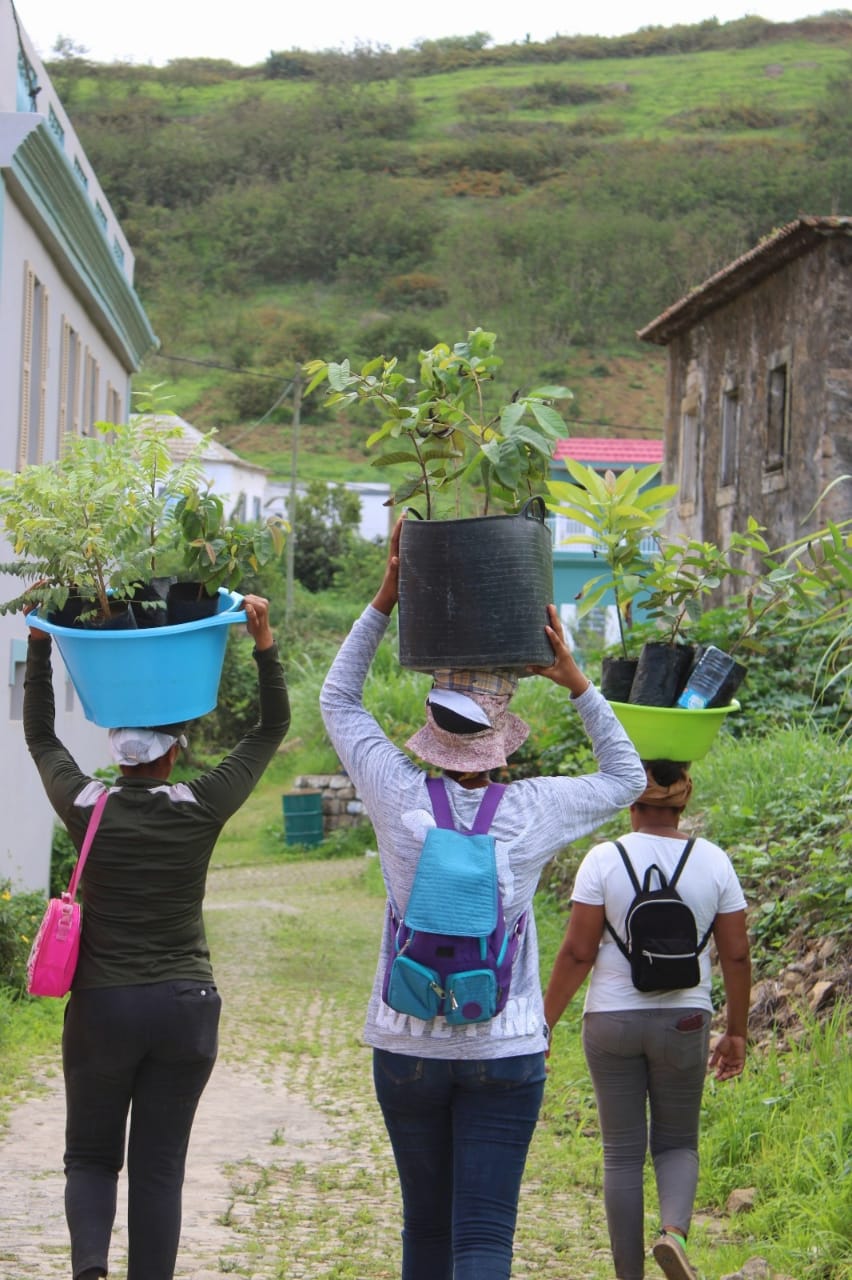
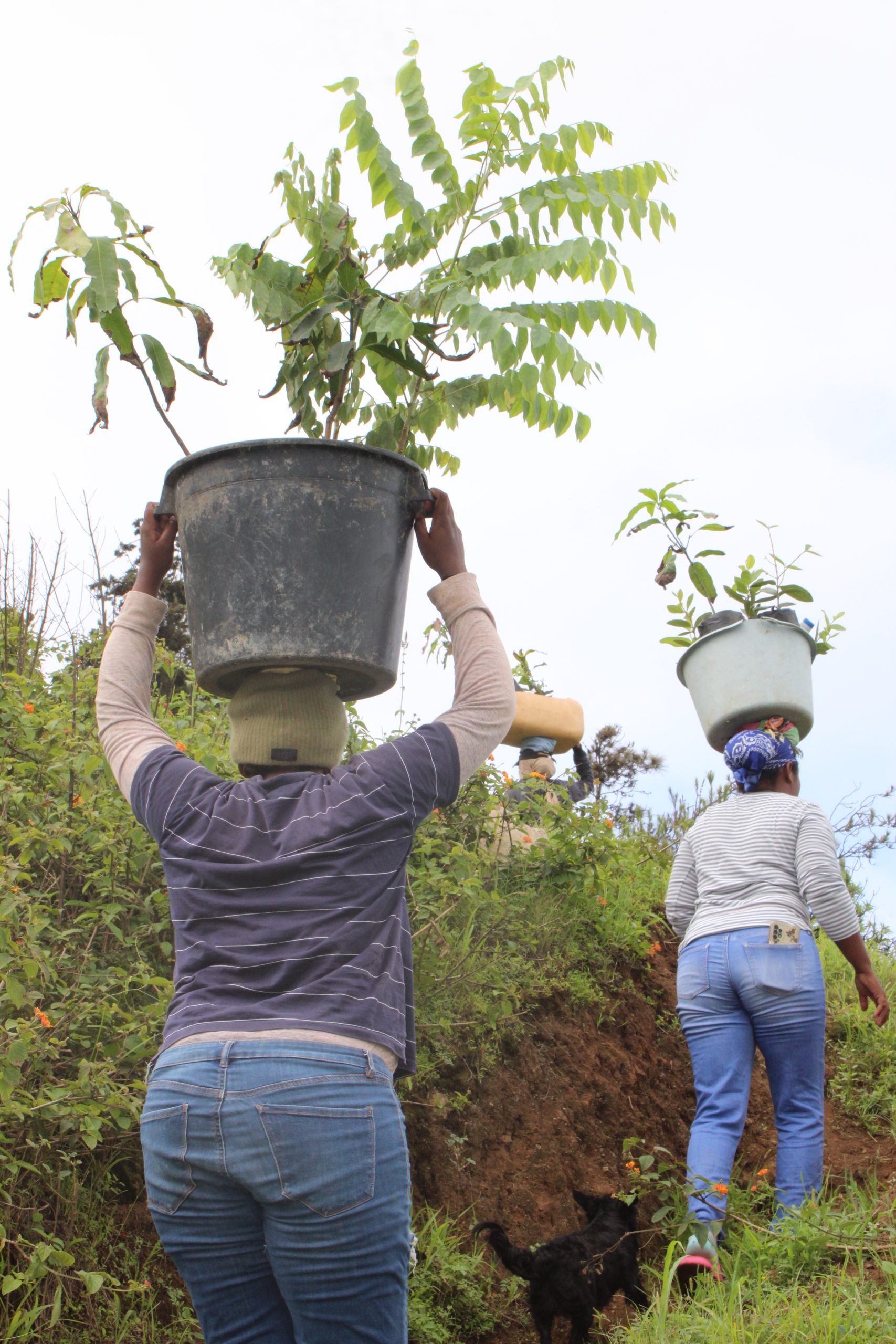
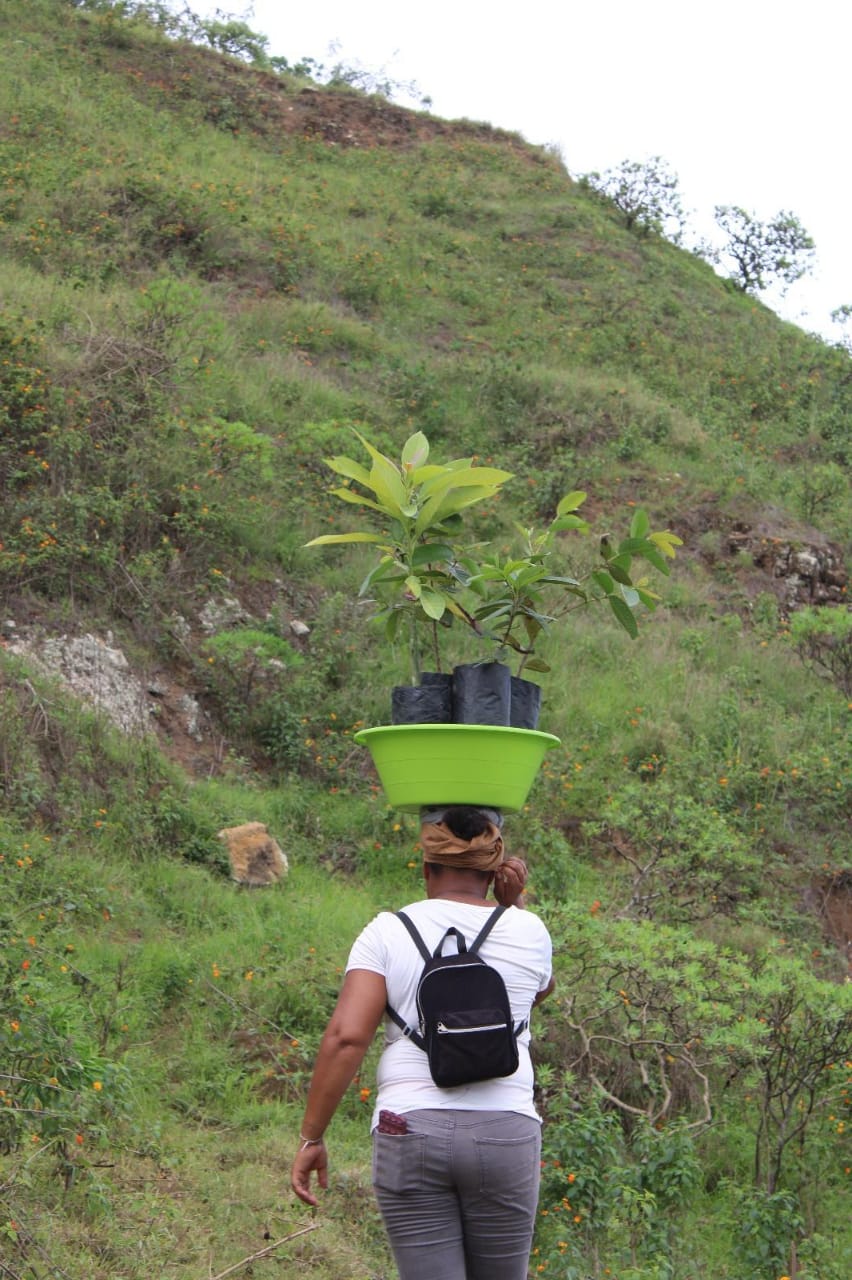
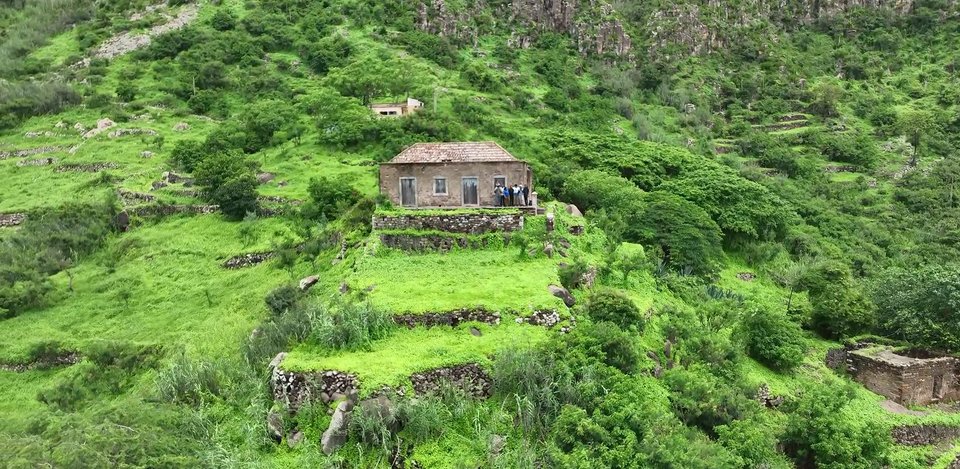
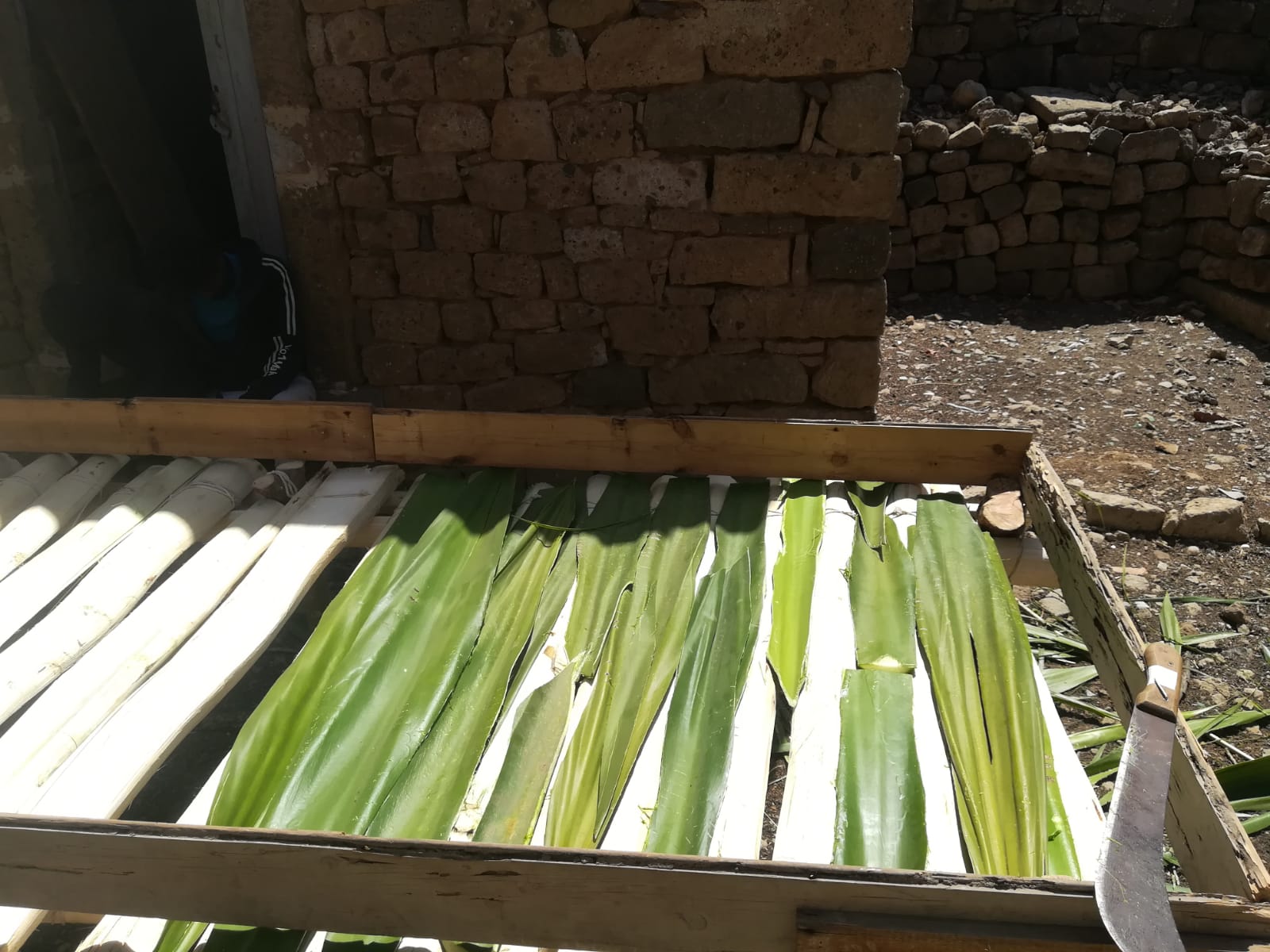
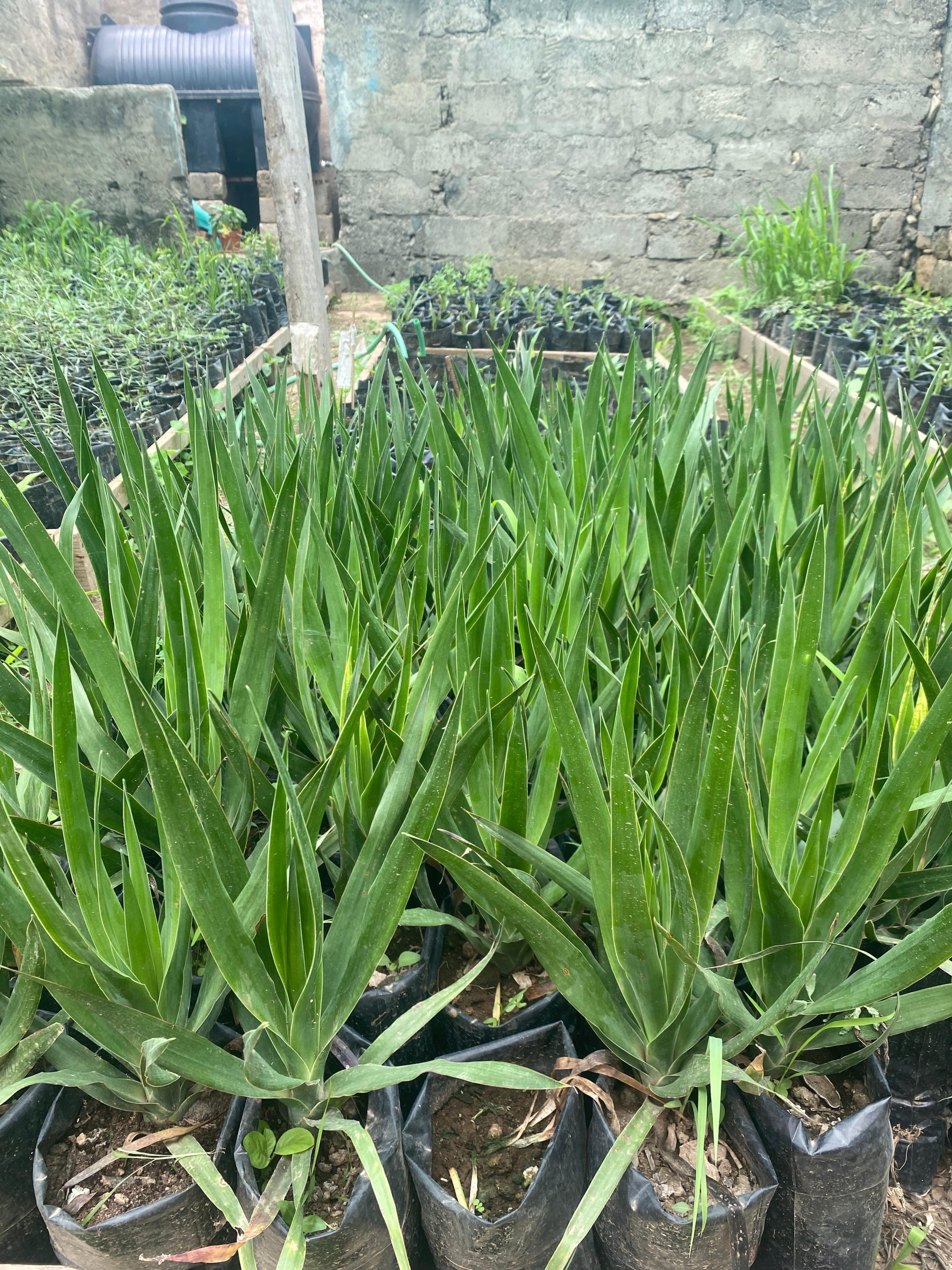
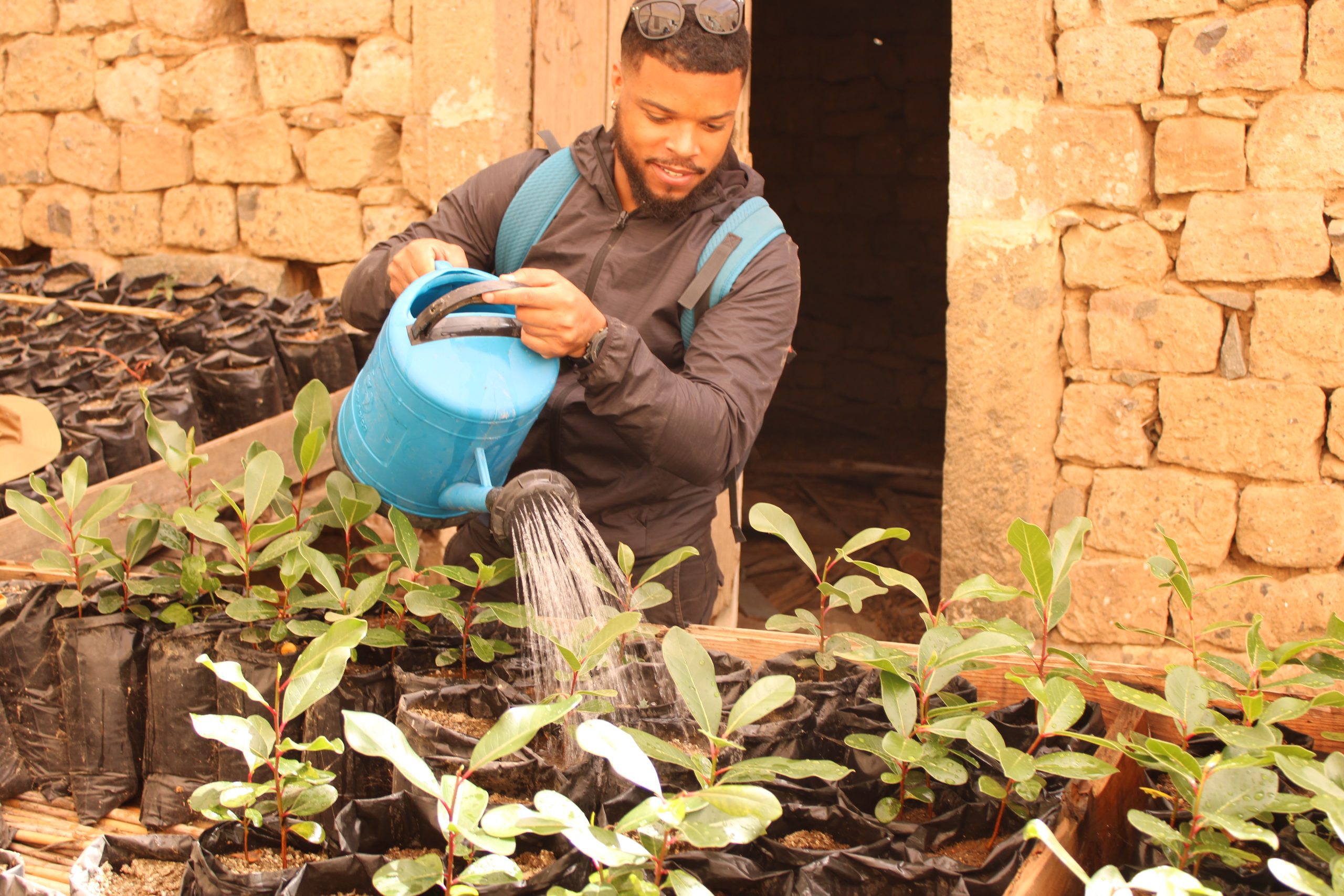
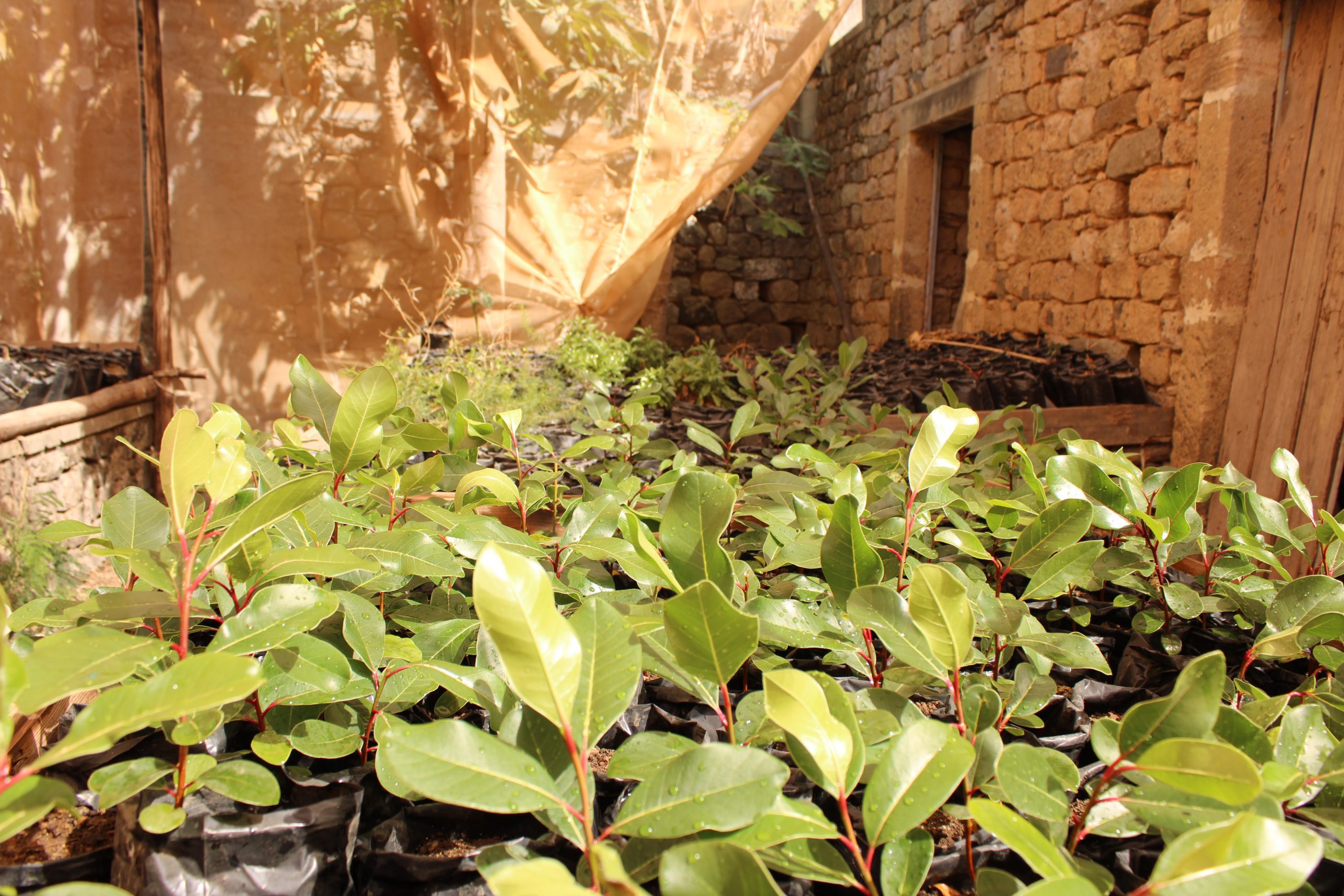
In 2023, with support from the Critical Ecosystem Partnership Fund, we began implementing an ecological restoration project in the Key Biodiversity Area of Ribeira de Fajã de Água. The objective was to pilot initiatives to restore the ecological conditions necessary for native species to survive, while supporting the communities that depend on the landscape. The project brought together farmers, pastoralists and young people from villages in and around the KBA. Invasive species were removed manually using the Cut Root Stock Method. Native and endemic plants were germinated in a nursery established in an abandoned house and planted during the rainy season. Enclosures were built, and fodder fields were planted to support pastoralists in transitioning from free grazing to more sustainable, controlled grazing systems. This approach addressed several challenges at once: invasive species management, habitat restoration, agricultural livelihoods and the environmental impacts of grazing. It was restoration not only for biodiversity, but with the people who live in the territory.
And then, in July 2024, the work finally paid off…
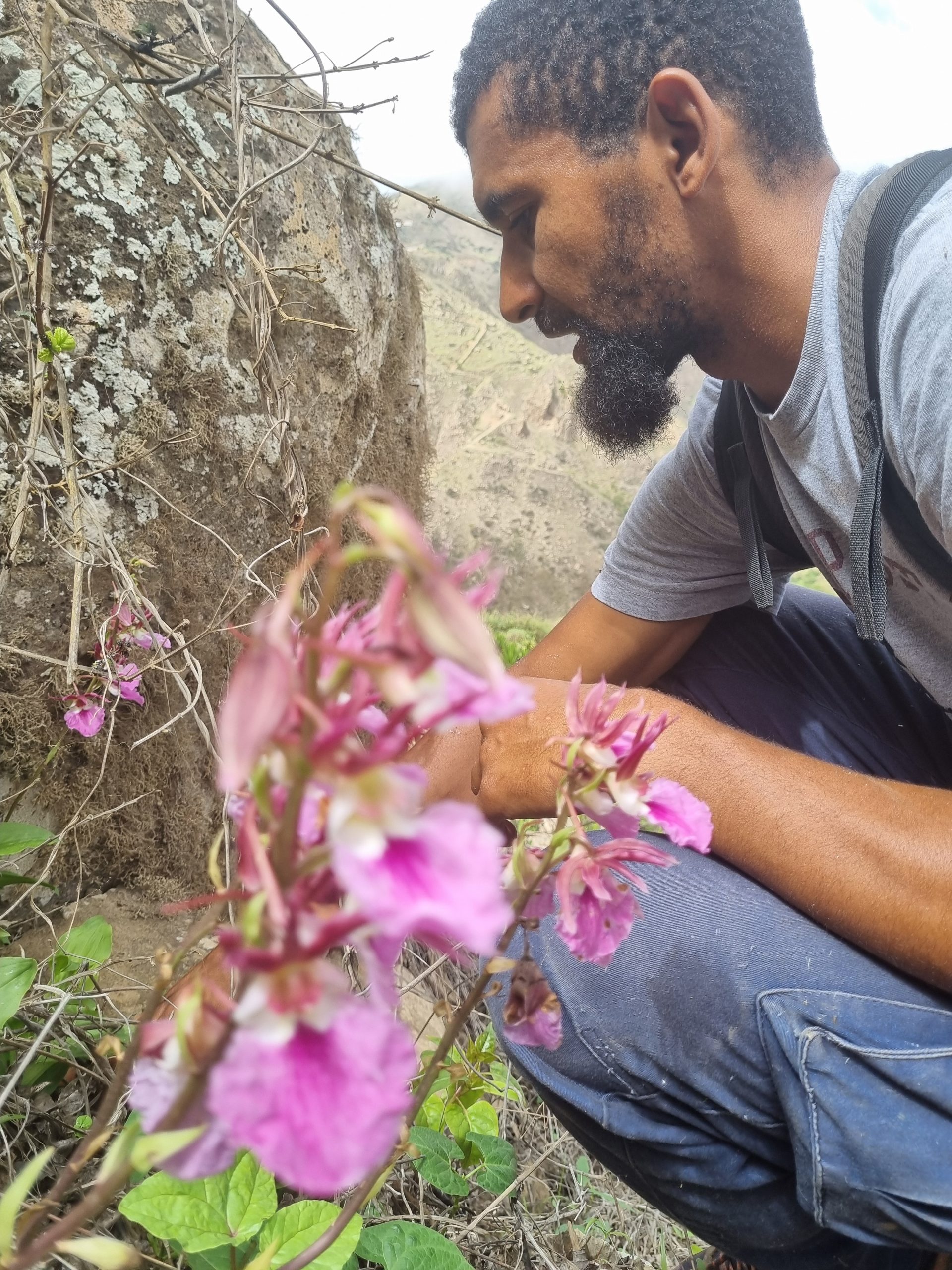
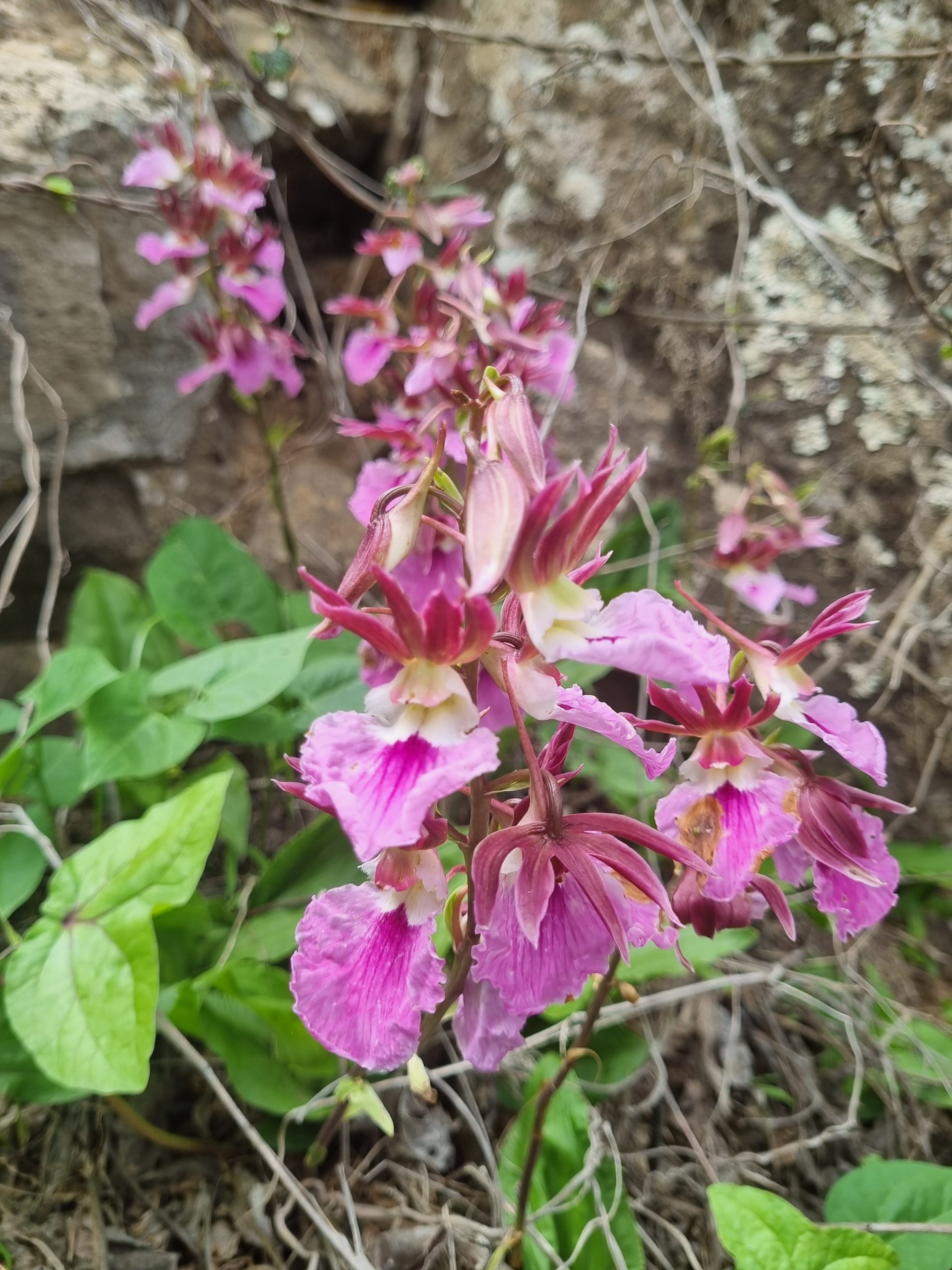
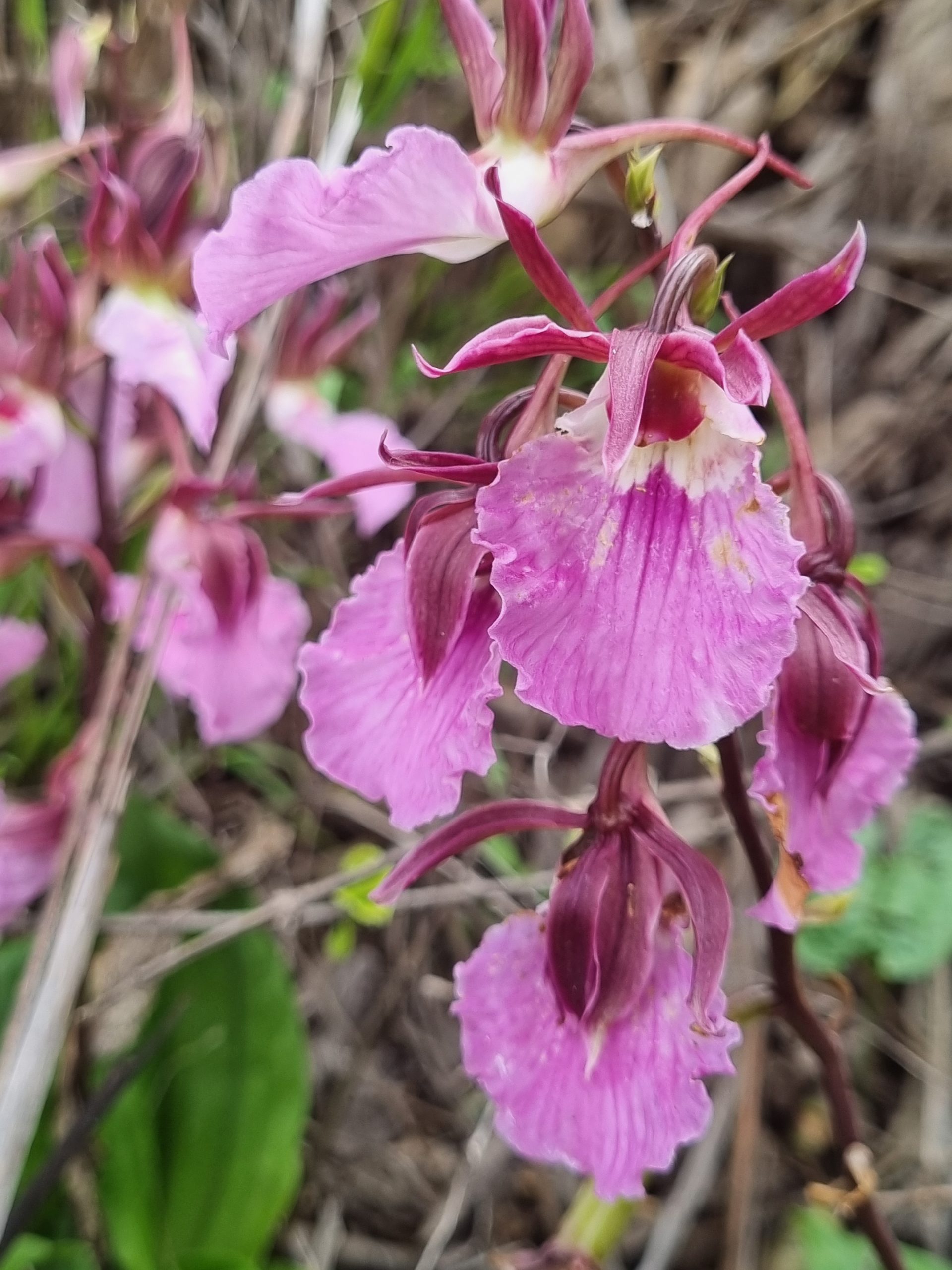
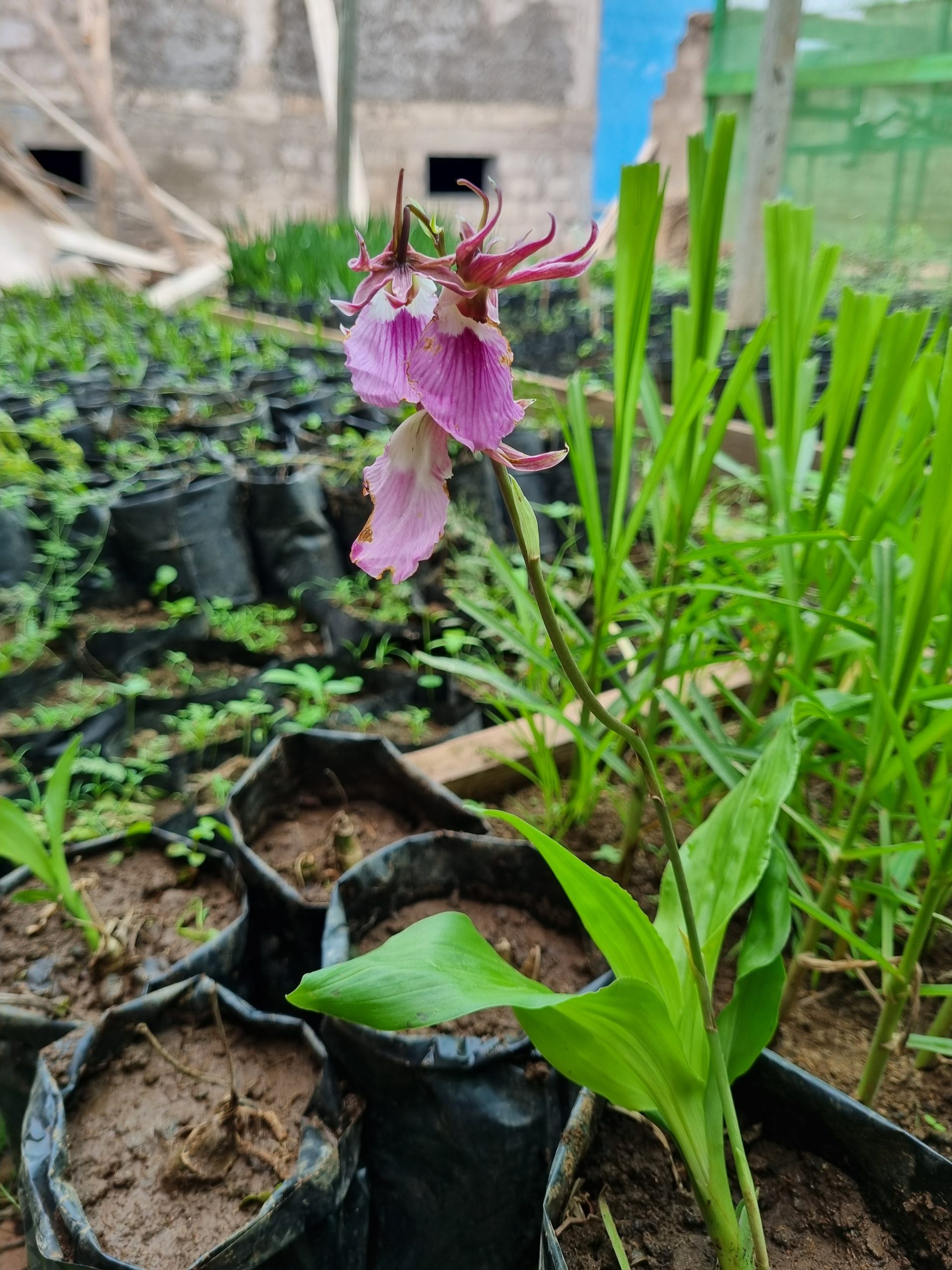
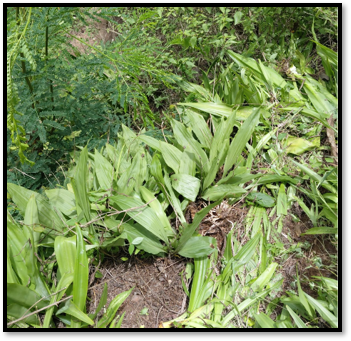
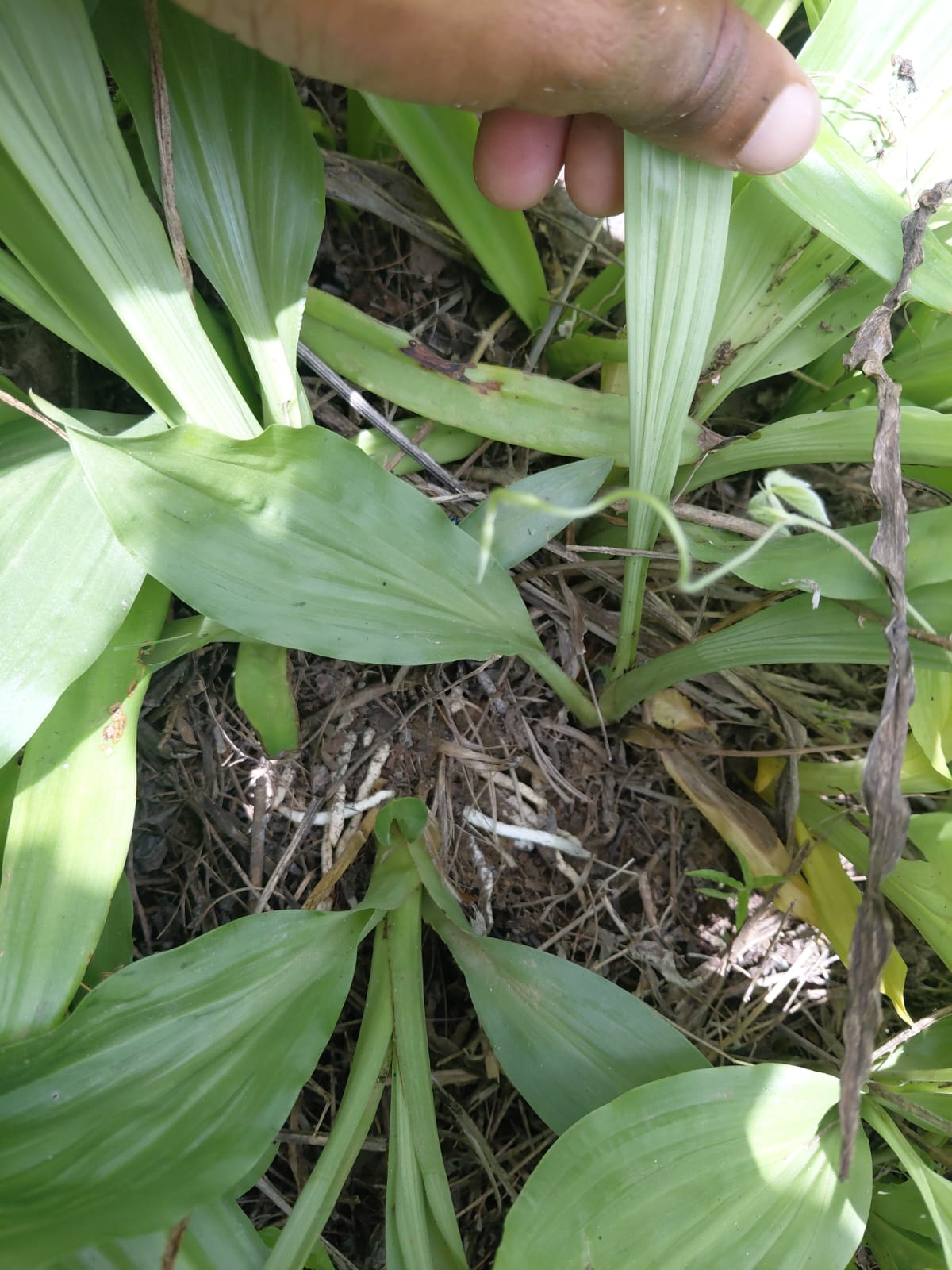
During a botanical survey in the Ribeira de Fajã de Água, Carlos made a discovery that our team had been so eagerly hoping for. Eulophia guineensis – The orchid was alive! Several small communities were found in areas where Lantana camara, Arundo donax and Furcraea foetida had been removed. The species had not disappeared from Brava after all. Its presence in restored areas was particularly encouraging. It suggested that the removal of invasive vegetation could help create conditions suitable for the orchid’s survival and recovery. In the following weeks, the team encountered another small community in the Fontainhas region—the same general area where Marrero and Almeida Perez had observed the species in 2009. Samples were collected for vegetative reproduction in Biflores’ nurseries. The orchid was not simply being rediscovered. It was becoming part of a conservation effort!
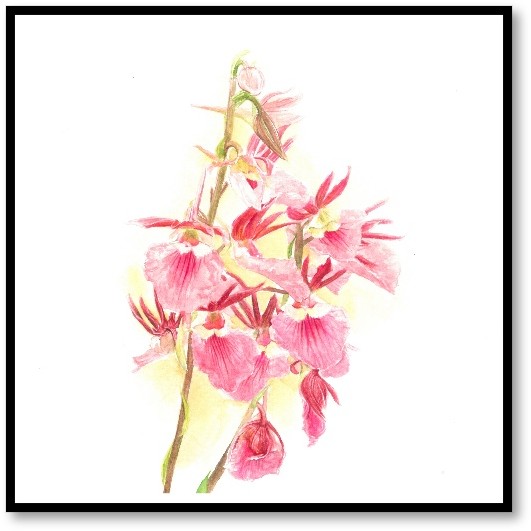
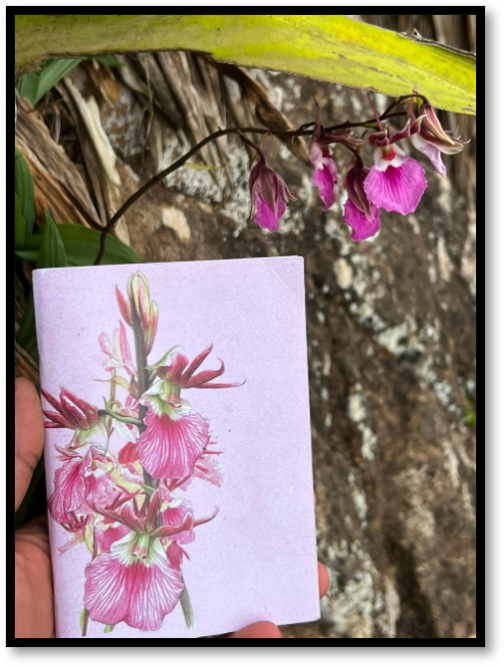
Energized by optimism, we engaged local artists to document the species, organized botanical exhibitions and produced material including notebooks and stickers to spread the joy and hope represented by this discovery with our communities.
However, after having stirred interest with our communities, in 2025, we did not observe flowering Eulophia guineensis at either of the known sites. For a species with such a restricted and uncertain history, the absence of flowers was worrying. Had the populations survived? Were they reproducing? Had the restoration work created the right conditions? Our team continued to monitor the sites. The absence of flowering did not necessarily mean that the plants had disappeared. But it was a reminder that conservation success cannot be measured by a single discovery. Species recovery takes time.
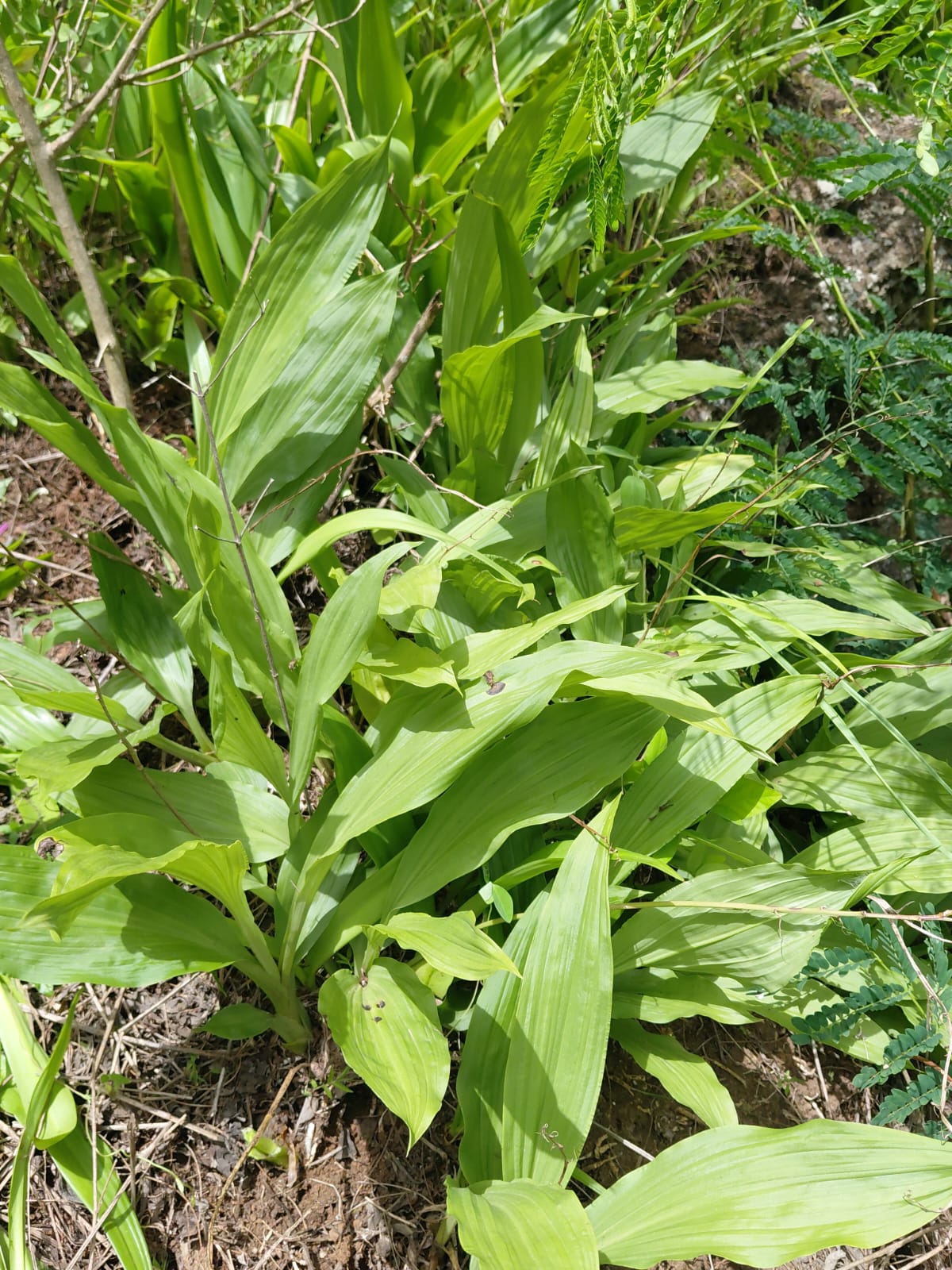
To our delight, during botanical suveys in August 2026, Carlos located new communities of Eulophia guineensis in Fontainhas. Several contained between 51 and 100 individuals. These observations provided new hope for the species and offered a powerful testament to the importance of invasive species management and ecological restoration.
During an exchange in Brava with the endemic plants team of Fogo-based conservation NGO, Association Projeto Vito, this discovery was shared. A few weeks later, their team posted on social media that they were able to localize 6 individuals in the Mosteiros region in Fogo!
These discoveries opened a new possibility. With the documentation of additional communities and the collection of specimens for vegetative reproduction in nurseries, Eulophia guineensis may eventually be reassessed—from a species considered extinct in Cabo Verde to one recognized as threatened. That would be a remarkable change in conservation status. It would also demonstrate why the rediscovery of a species is only the beginning. Finding a population is important. Protecting its habitat, supporting its natural regeneration and ensuring its long-term survival are what make recovery possible
A chance encounter in Praia, Santiago
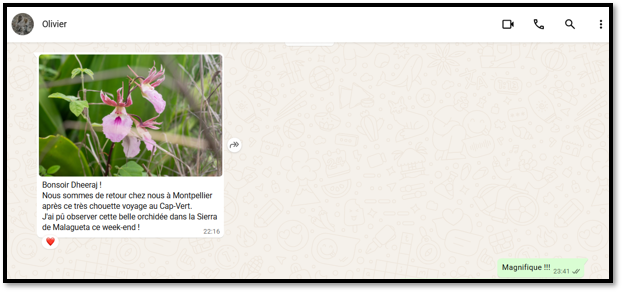
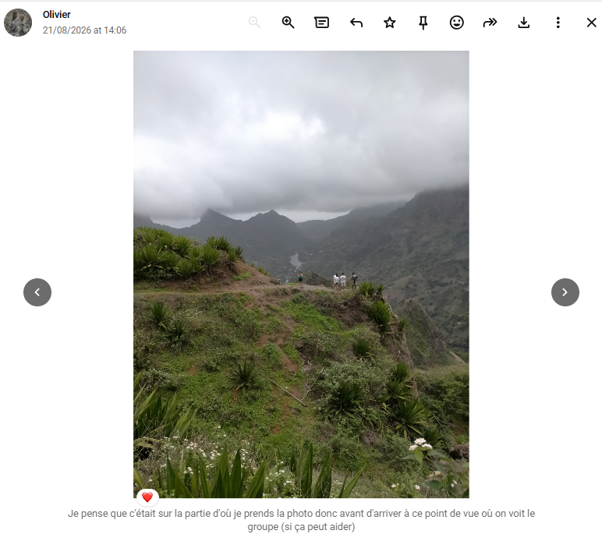
Then came a truly unexpected chapter. In August 2026, whilst travelling to Santiago Island, our director Dheeraj Jayant happened to meet a Dr. Olivier Scher at the port. Dr. Scher, a naturalist at the Conservatoire d’espaces naturels d’Occitanie (Southern France), struck up a conversation about conservation efforts in Cabo Verde and the two exchanged contact information. A few days later, he shared photographs from his explorations of the National Park – Serra Malagueta via WhatsApp. Among the photographs was an unmistakable flower…that of Eulophia guineensis! Dr Scher, a migratory bird specialist, had little idea that his photograph would provide the evidence for the first ever formal documentation of the orchid in Santiago Island!
The orchid had previously been documented as critically endangered to extinct in Fogo and Brava. Its presence in Santiago could change the known distribution of the species across the archipelago. Dheeraj immediately recognized the significance of the photograph and shared the information with Dr. Isildo Gomes and the National Park of Serra Malagueta. Dr. Scher also contacted the authors of the 2013 article. The photograph had transformed a chance encounter into a scientific lead!
Our team was anxious to verify the discovery and confirm the localization but was inhibited by lack of transport options for three whole weeks. On 14 September 2026, Carlos was able to board the ferry to travel to Santiago to investigate. Upon reaching Serra Malagueta, his challenge was set. With his eagle eye vision and his almost inexplicable connection with the plant world, it took him a mere forty-five minutes to the localize Eulophia guineensis on the trail roughly indicated by Dr. Scher, even though it had passed its flowering stage! A community of between 51 and 100 individuals was documented. A species that had once been considered extinct in the archipelago had now been confirmed on three islands: Brava, Fogo and Santiago. The discovery is especially remarkable because it was made possible through an unexpected network:
A botanist’s scientific publication.
A conservation association’s literature review.
A farmer’s knowledge of his landscape.
Community-led restoration. A naturalist’s photograph.
And the willingness of people to share information across institutions and islands.
This is how conservation often happens—not through one single intervention, but through many people noticing, remembering, searching and acting.
From extinction to recovery
The story of Eulophia guineensis is not yet finished. The species remains vulnerable. Its populations appear to be small and localized, and the threats that affected Cape Verde’s native vegetation have far from disappeared. The orchid’s rediscovery does not automatically mean that its conservation status should change. A formal assessment would need to consider the number of populations, their size, distribution, trends, threats and the evidence available across the archipelago. But the new findings provide an important basis for reassessment. They also raise fundamental questions:
– How many populations remain undiscovered?
– Are there additional communities in the high-altitude regions of Brava, Fogo and Santiago?
– Could it occur in other islands (Santo Antão? São Nicolau?)
– Can nursery propagation help strengthen wild populations?
– What habitat conditions does it require to flower and reproduce?
– And how can local communities be supported to protect the places where it survives?
For us at Biflores, these questions are not abstract. They are part of the daily work of conservation. Our association’s restoration efforts show that invasive species management can have benefits beyond the removal and transformation of ‘unwanted’ plants. By restoring habitat, supporting native vegetation and involving local communities, conservation can create the conditions for species that have been overlooked—or thought to have disappeared—to return.
Seeds of Radical hope
The rediscoveries of Eulophia guineensis is a story of radical hope in our current era of integrated crises (It’s mid-September and Cabo Verde has yet to receive significant rainfall, once again demonstrating the devastating impacts of a changing climate). But is also a story about observation, attention and connection. Brava’s flora has been scientifically documented as exceptionally rich. Yet its isolation and logistical challenges have limited the amount of research and conservation carried out on the island. The orchid was found because someone looked. It was found again because someone kept looking. And its wider distribution was revealed because a naturalist on holiday happened to create a seemingly random connection, take a photograph, share it and persist in following up on his discovery.
The story reminds us that biodiversity conservation depends on more than scientific expertise alone. It depends on local knowledge, long-term commitment, community participation and collaboration. Carlos Bango’s discoveries are a powerful example. His knowledge of the landscape, combined with botanical training and scientific partnerships, has helped reveal species that might otherwise have remained unknown.
Our collective work demonstrates an essential principle: protecting biodiversity means protecting the ecological processes and livelihoods that sustain it. When invasive plants are removed, native species can return. When grazing is managed sustainably, habitats can recover. When communities are involved, restoration becomes more durable. And when people continue to search, species once thought extinct may surprise us.
The orchid’s return is not yet a conservation victory secured for the long term. But it is a remarkable beginning. It tells us that even in landscapes under intense pressure, life can persist. It tells us that restoration can make a difference. It tells us that the knowledge of local people is invaluable. And it tells us that extinction is sometimes not the end of the story…