

Goat rearing is an integral part of rural Cape Verdean cultural life. Uncontrolled, they can also be one of the biggest threats to the islands’ native and endemic flora. Understanding the equilibrium between cultural-natural preservation is where our work on sustainable grazing begins.
Goats were not native to Cabo Verde (in fact, the only mammals present prior to colonization were bats!). Portuguese settlers brought goats in the early colonial period for their hair, hide, milk and meat, as part of an economy that valued exports and not native biodiversity. Within a couple of centuries, the harm was already being recorded: goats graze down to the roots, strip away the protective layer of vegetation and leave steep slopes open to erosion. However, goats became a part of the non-human communities now inhabiting Cabo Verde’s significantly modified ecosystems. A healthy herd has long meant wealth, food security and insurance for families without land. The tambor, central to many Cape Verdean musical traditions, is made from goat skin. For many young rural people, running a productive herd is still a sign of success.
The IUCN counts uncontrolled grazing, together with invasive species, among the three most pervasive threats to endemic terrestrial biodiversity in Cabo Verde. On islands, the effect is sharp. When food is scarce, especially in drought or the dry season, goats looking for something to eat often graze to the roots, and for fragile endemic species with very small populations, that can be the end. Local pastoralists are quite obviously not unaware of the damage. In our conversations on Brava, farmers and herders show a long historical understanding of how goats affect the land.
Where crops were abundant, strict grazing rules and social controls kept free grazing to uncultivated land, which until the late 1990s was less than a tenth of the island. However, those controls broke down as rural life became harder. Local accounts suggest that around 90% of Brava was cultivated in the 1990s, and only about 10% is today. Water scarcity, cheaper imported food, pests and diseases, and difficult access to land are driving a rural exodus. Land that was once farmed is now left open, and introduced plants such as Lantana camara, Furcraea foetida and Prosopis juliflora, once planted with good intentions to fight drought and erosion, spread across it. They crowd out pasture and native plants alike. Many herders also lack the land, capital, knowledge and veterinary support to move to controlled, semi-intensive systems.
Given its important cultural significance and its crucial role in food security, we do not ask pastoralists to give up their animals. Rather, we are supporting a transition towards sustainable, semi-intensive grazing by:
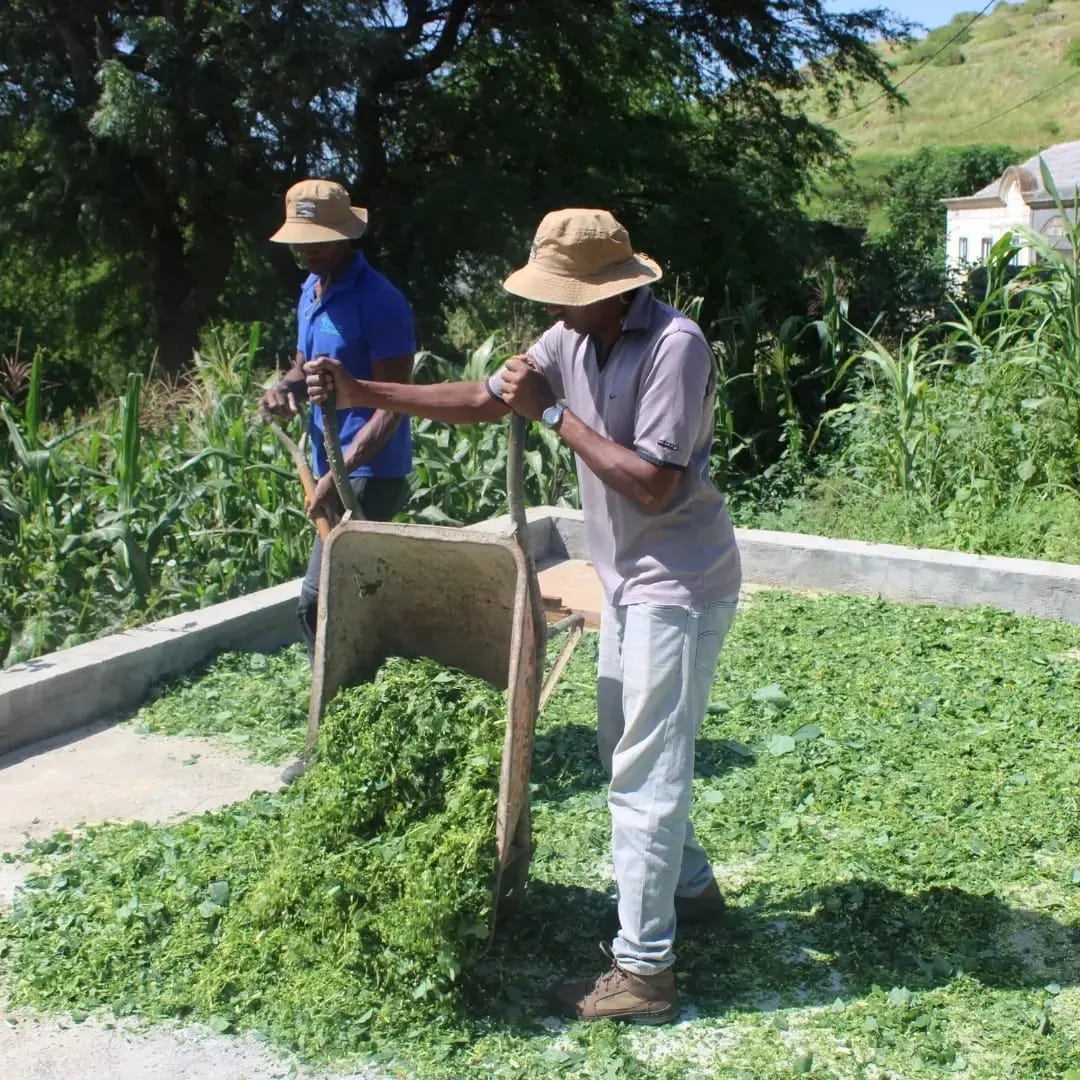
- planting agroecological fodder fields;
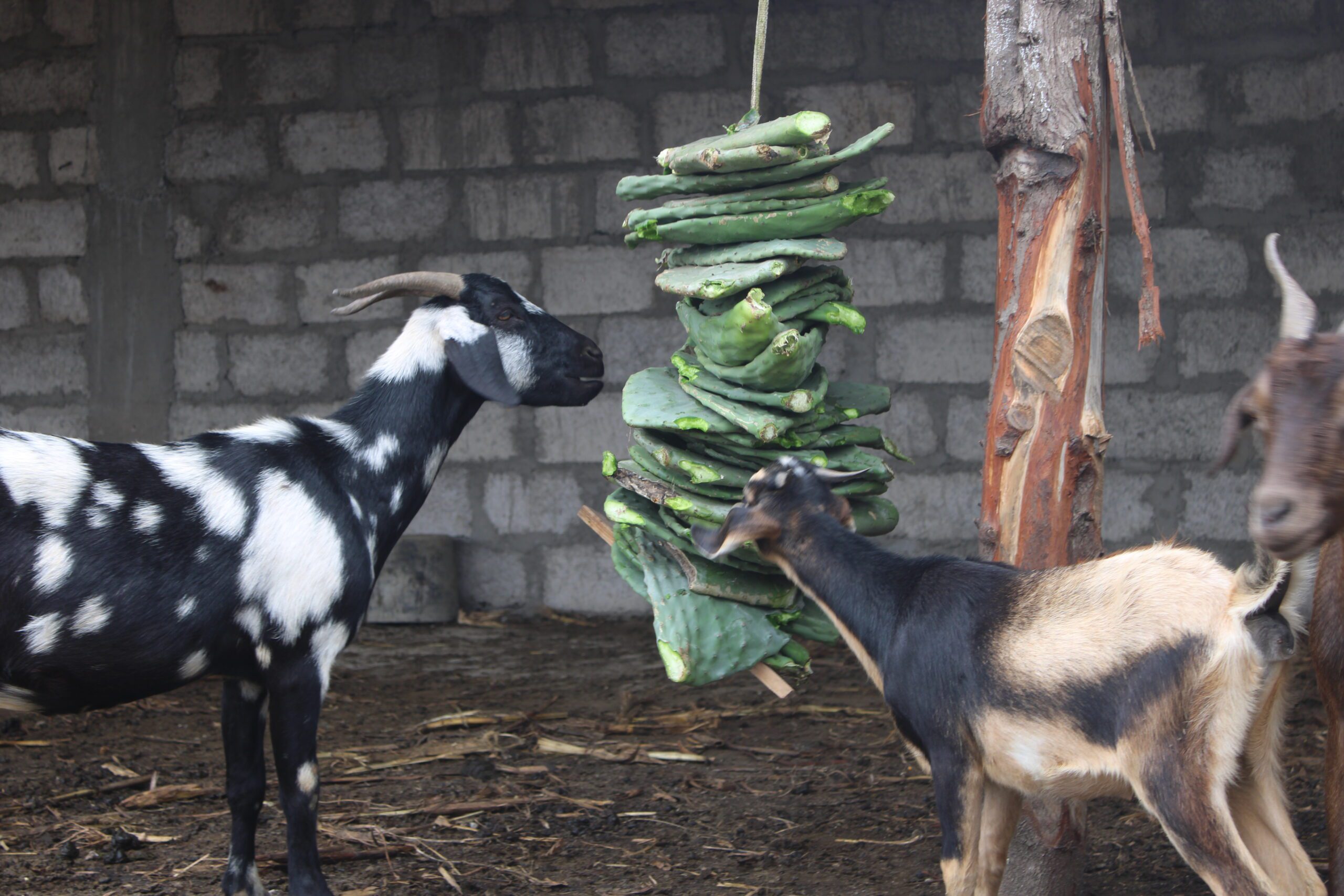
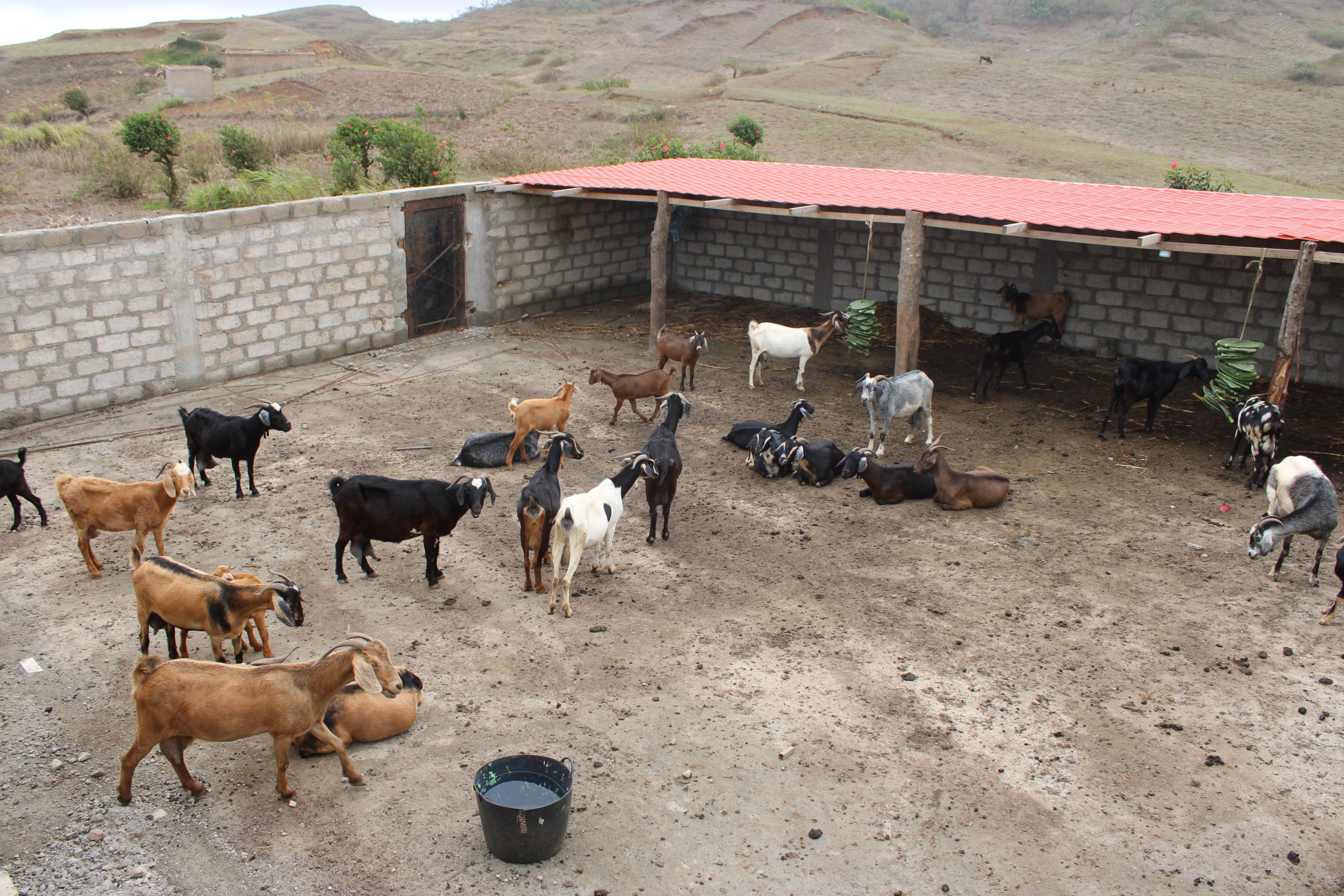
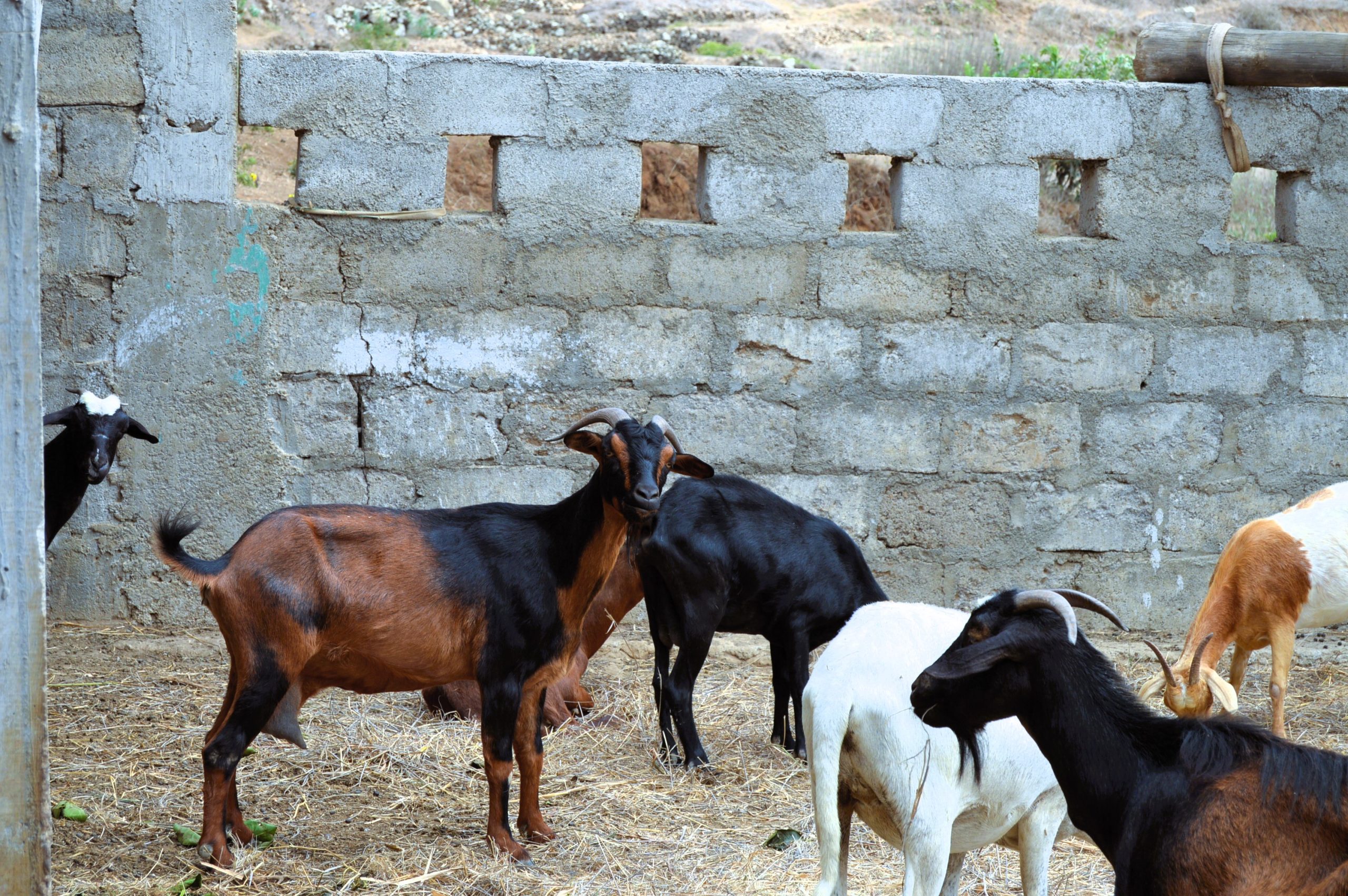
- building enclosures and corrals;
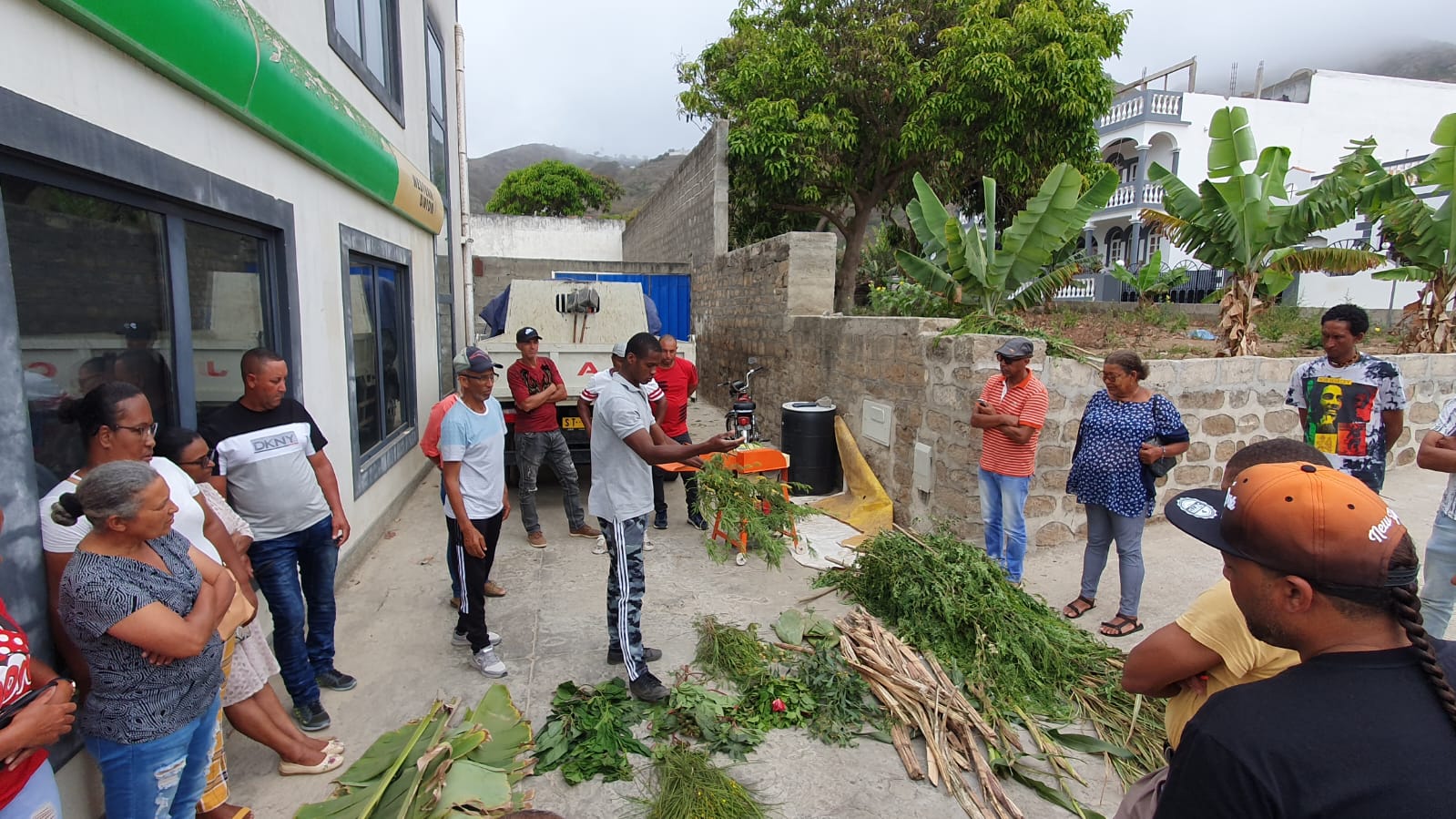
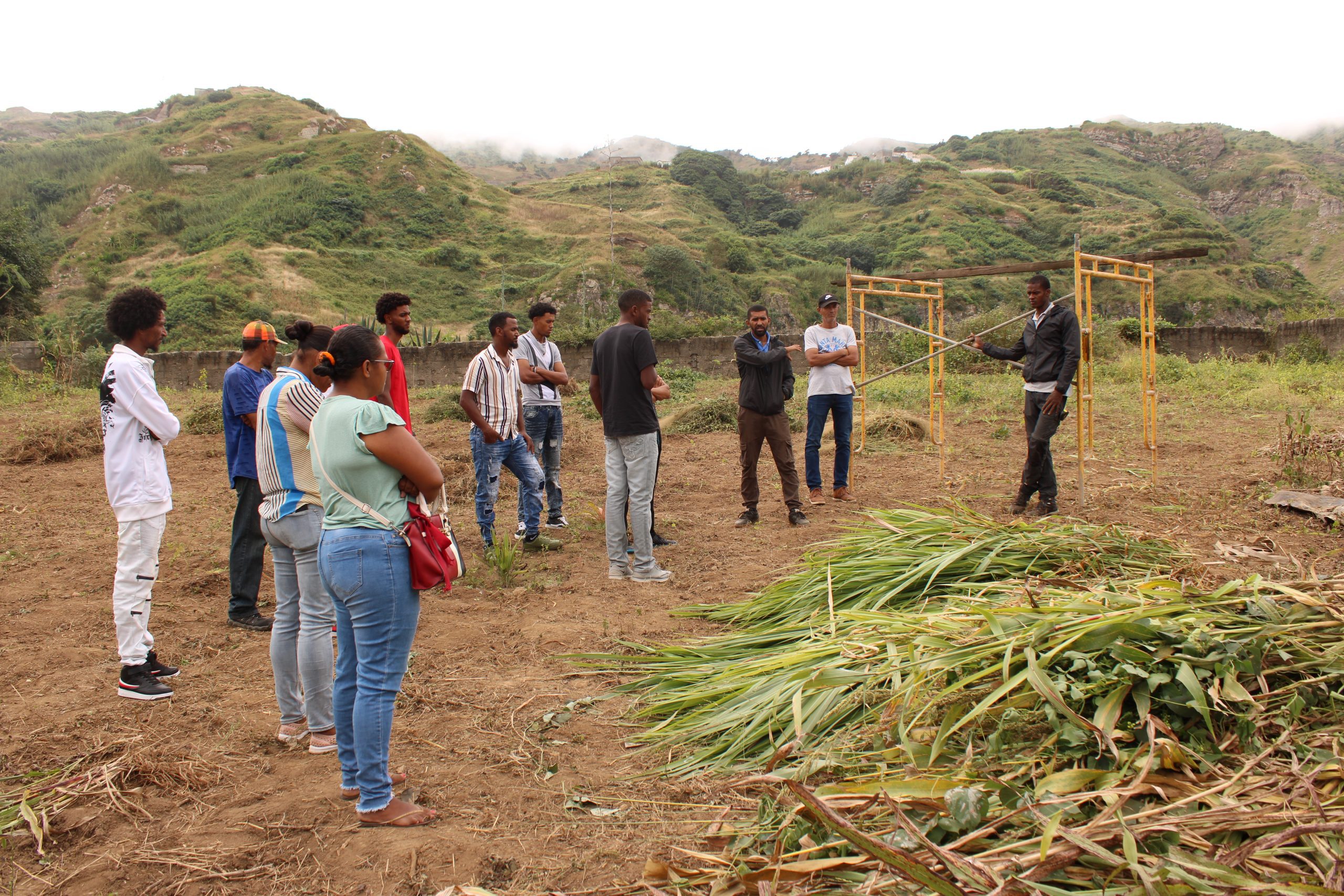
- training pastoralist families in rotational grazing and in adding value to their products;
- training them in water and pasture management, and in making their work resilient to climate change;
- running animal health campaigns with Vets Without Borders Portugal.
Families in the program have received corrals, fodder fields and cloud-moisture harvesting systems, along with training in stock management and value-addition. Our work to manage invasive species also frees up land for pasture crops and native grasses. There are local examples to learn from including Mrs. Gidinha and Mr. Lilinho’s (Mato), Mr. Niltons’ (São Domingos) and Mr. Manel’s (Nossa Senhora do Monte) controlled semi-intensive livestock operations which provide dairy products and meat while helping to control invasive species.
The idea is to build on culture, local knowledge and the effort families already put in, so that animals have what they need and endemic and native plant communities get the chance to recover. Rebuilding the social institutions that governed grazing through community control can ensure that grazing becomes a tool for conservation and development – including invasive species management, fire control and food security.