Sustainable Grazing: Conservation for Plants and People in Brava
Context: Free grazing has been identified as one of the main threats to Brava’s endangered, endemic plant species. Rural abandonment, lack of water for agriculture, and limited institutional resources to enforce grazing codes have weakened social and political control of grazing practices. At the same time, recurrent droughts, livestock diseases, and a lack of technical knowledge have placed significant pressure on Brava’s cattle breeders, threatening both their livelihoods and the island’s fragile ecosystems.
Objectives
- Organize a transition from free grazing to sustainable, semi-intensive, and controlled grazing.
- Disseminate knowledge and best practices on climate-resilient grazing.
- Implement pilot projects (animal enclosures, fodder fields, water management systems) to demonstrate long-term positive impacts.
- Support and organize the cattle-breeding community, working with the Ministry of Agriculture and the Environment and the Cooperativa Djabraba (dairy cooperative) through training and provision of necessary materials.
- Collaborate with national and international institutions to test best practices in sustainable grazing, including pasture management, water management, and animal welfare.
- Share lessons and successful practices across all Cape Verdean islands.
Expected Impact
- Stabilization and recovery of endemic plant populations.
- Significant reduction in free grazing practices.
- Improved animal health and increased welfare for cattle breeders.
- Strengthened capacity and viability of the dairy production cooperative.
- Greater organization and resilience within the livestock sector.
- Effective enforcement of grazing legislation by competent authorities.
Results so far
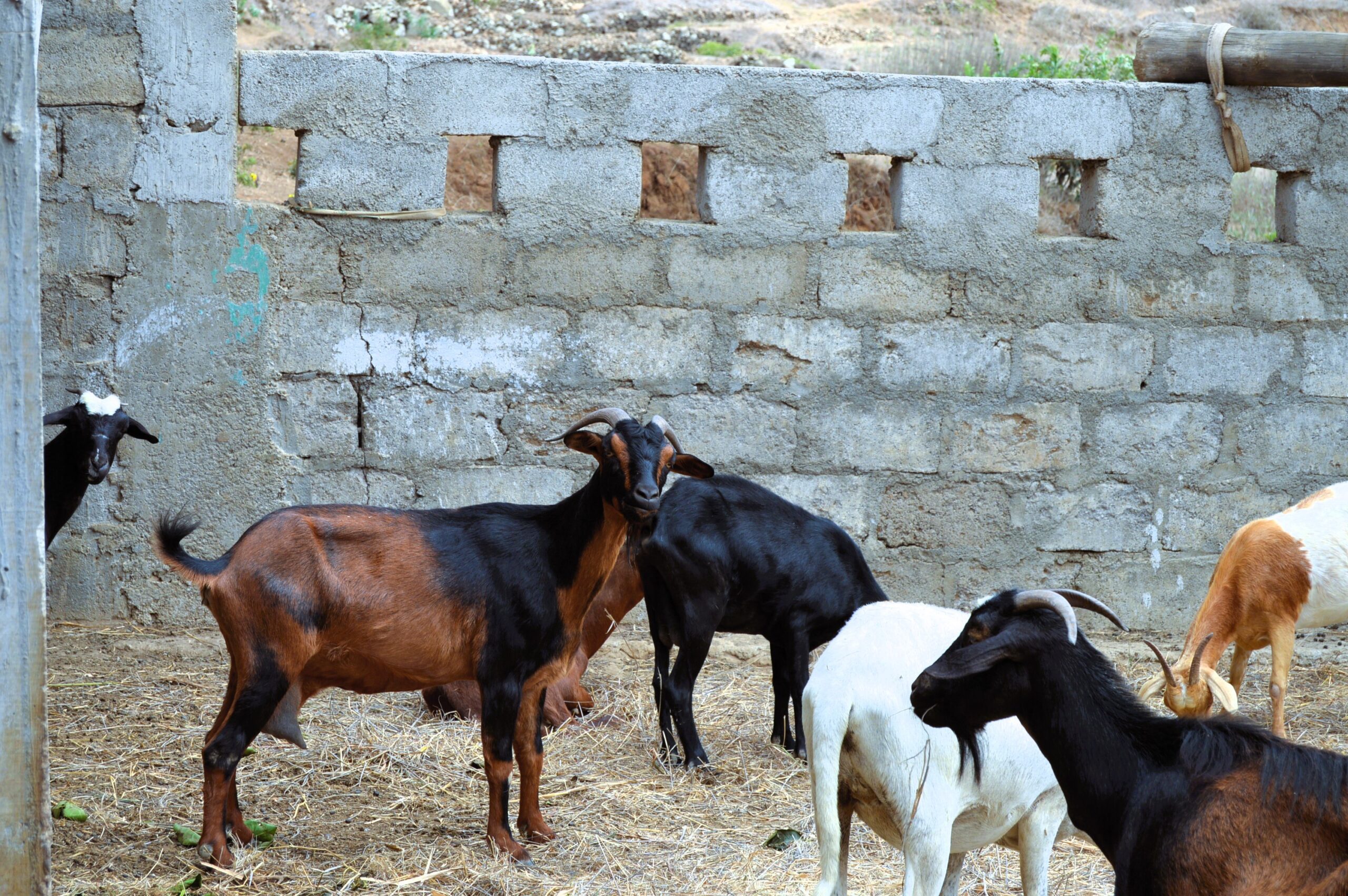
- Construction of the first community animal enclosures in Mato.
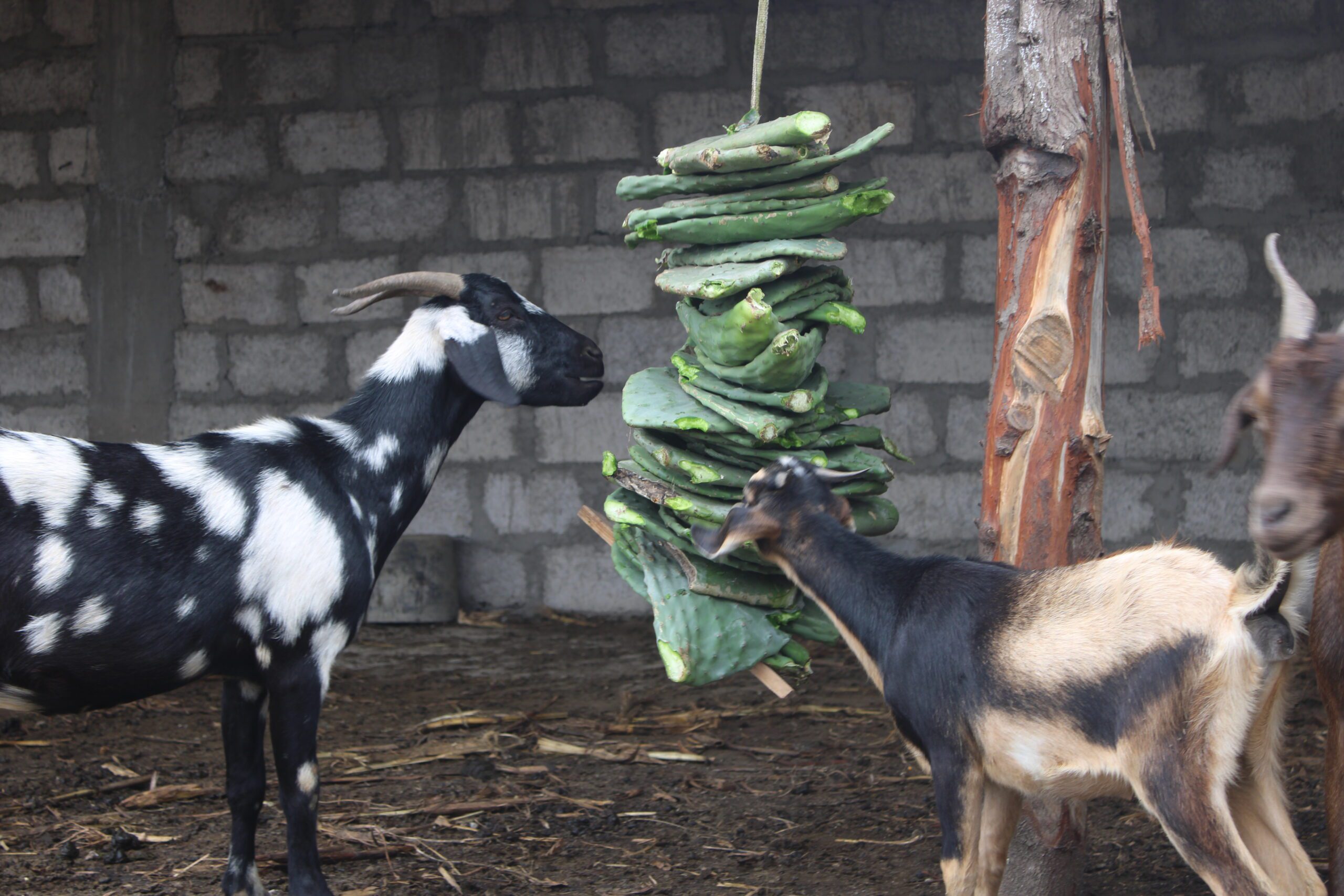
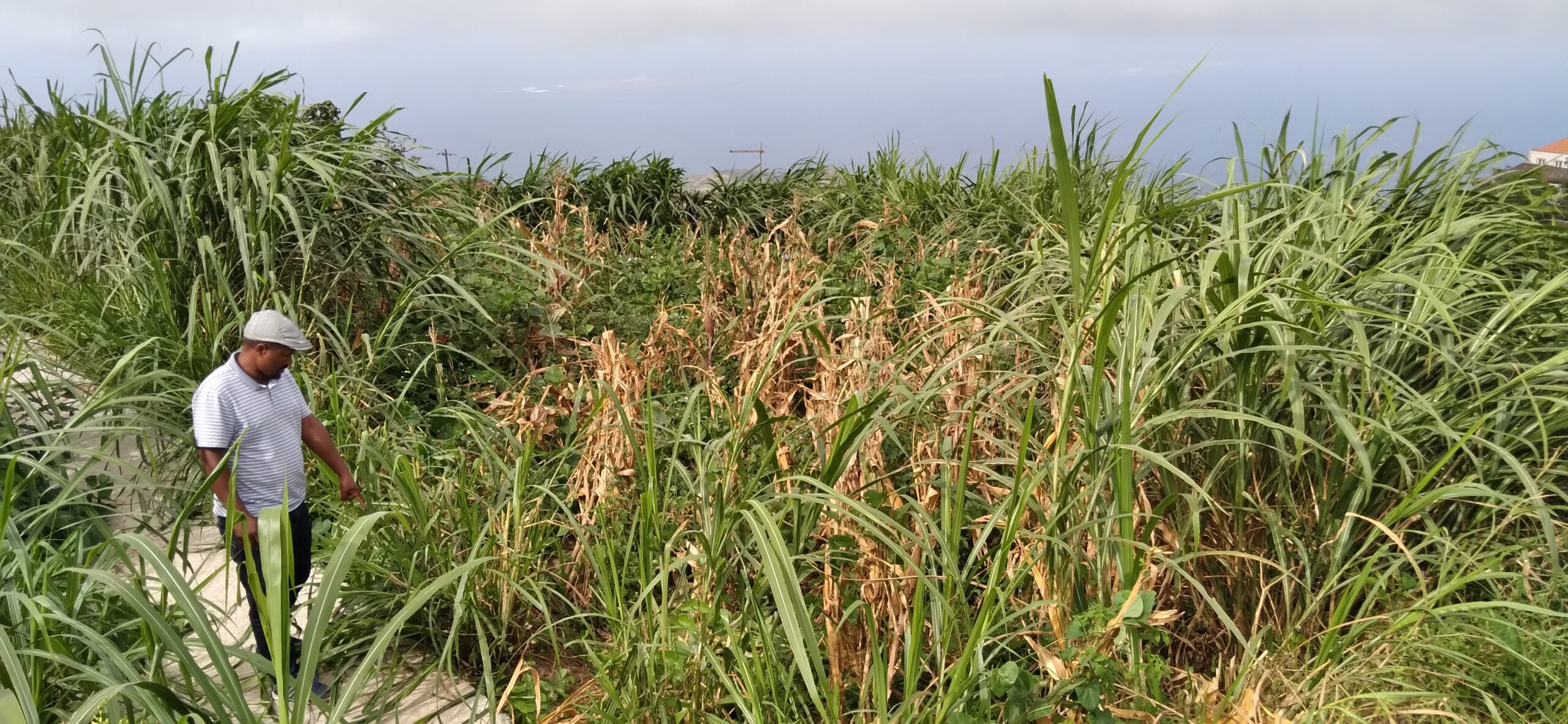
- Establishment of fodder fields and piloting of improved water management systems.
- Installation of cloud moisture harvesting systems, providing reliable water resources for cattle and grazing management.
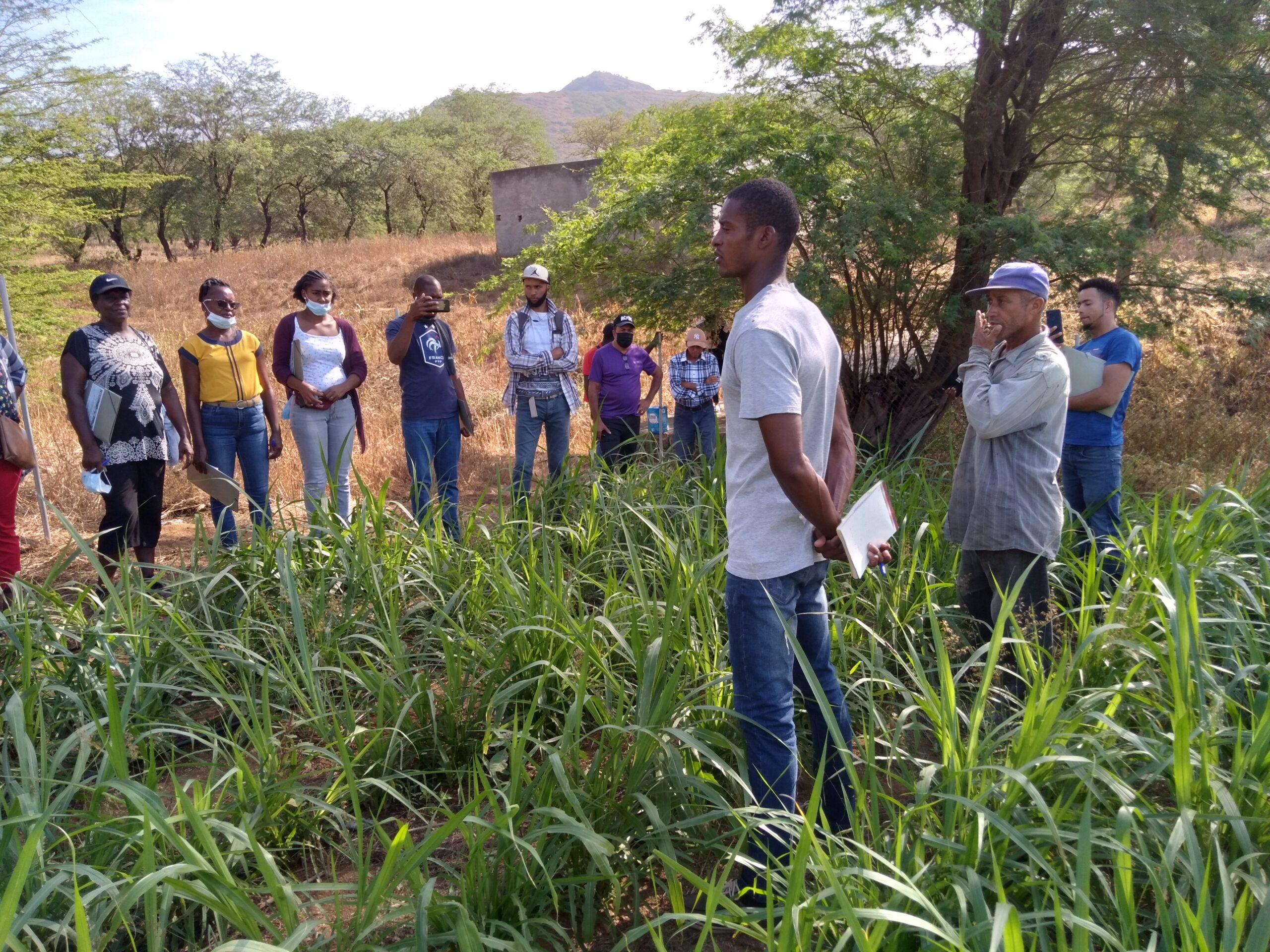
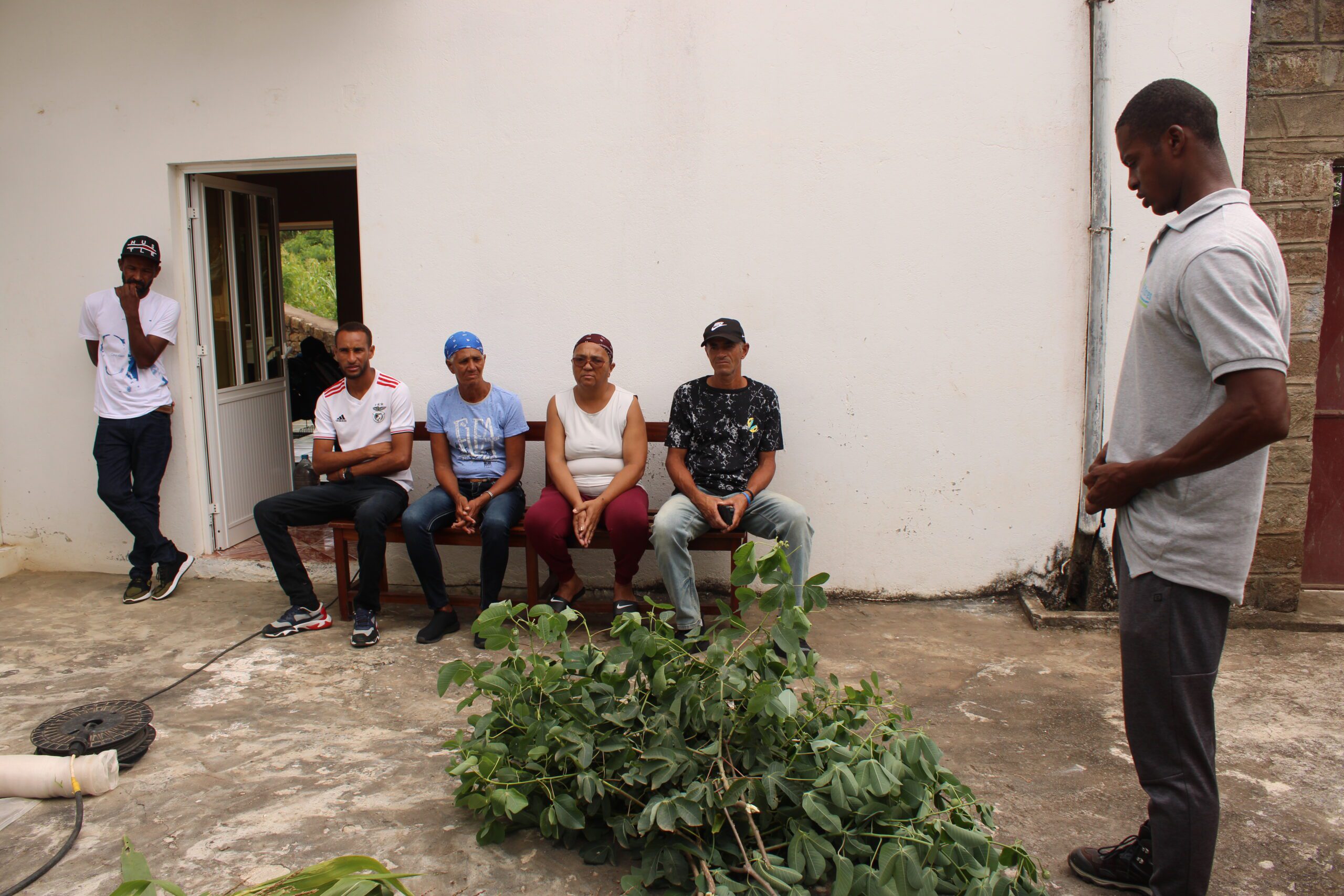
- Initial training programs delivered to cattle breeders, introducing sustainable grazing techniques.
- Strengthened collaboration with Cooperativa Djabraba, including support for dairy production infrastructure.
- Growing recognition among breeders and institutions of the benefits of shifting away from free grazing.
Partners and Donors
- Past support: Darwin Initiative (UKAID), Fauna & Flora
- Current support: Embassy of Germany in Lisbon, Ministry of Agriculture and the Environment of Cabo Verde
Technical partners:
- GESPLAN (Gran Canaria) – sustainable grazing and ecosystem restoration
- Vets with Borders – animal health, welfare, and veterinary training
- BeSafe Group – expertise in animal welfare and veterinary capacity building