Maintenance of Brava’s Forest Perimeter
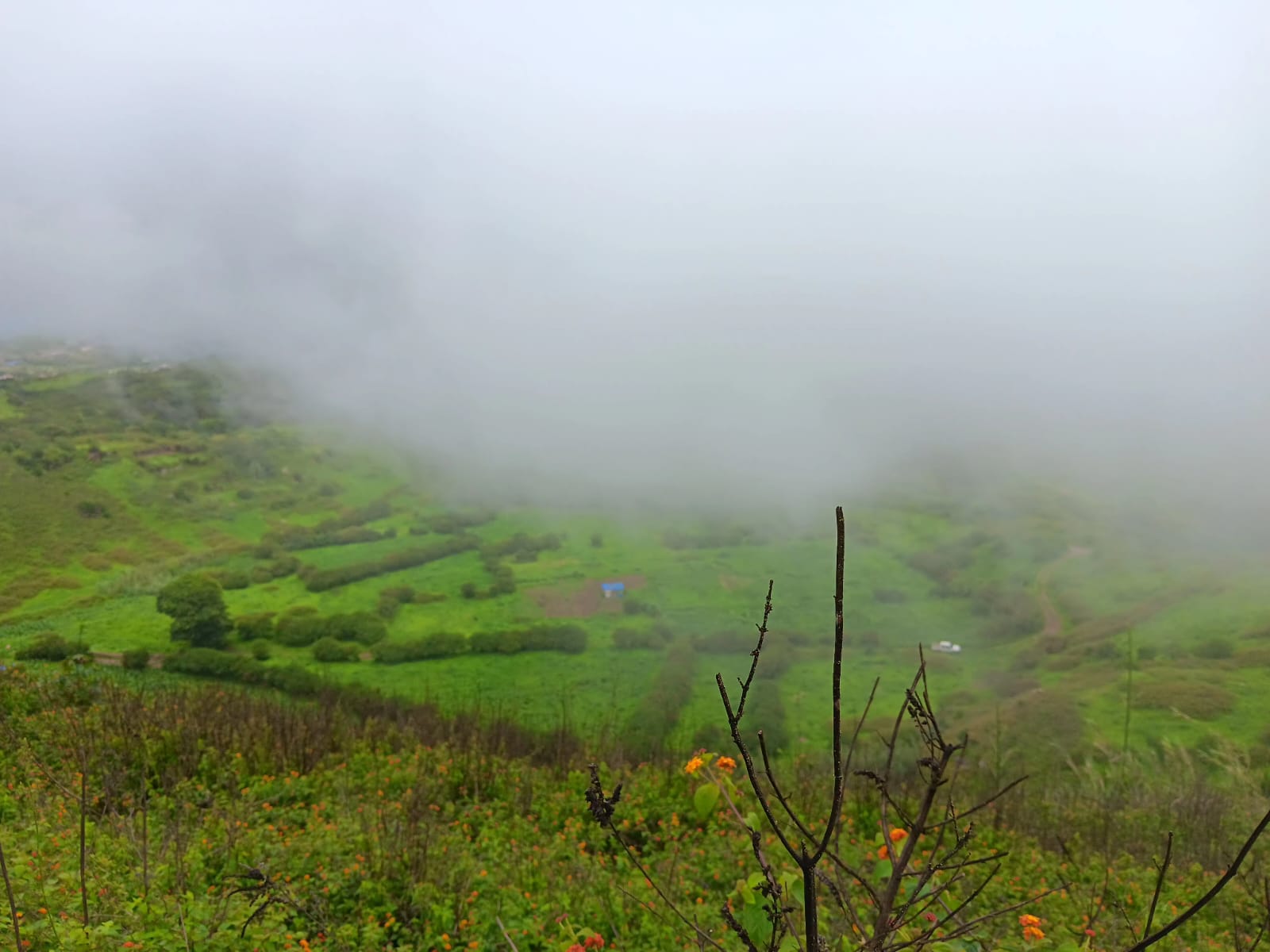
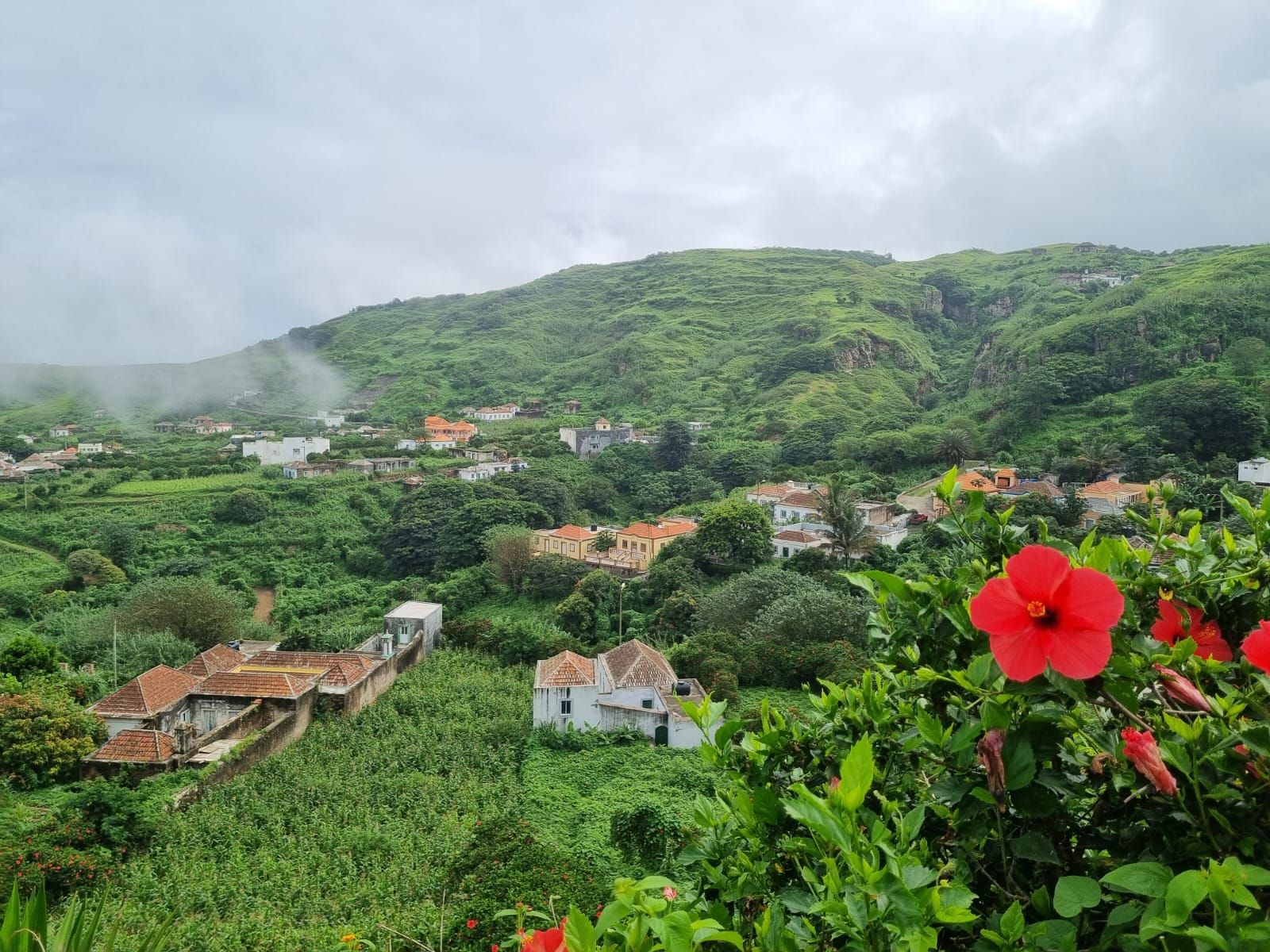
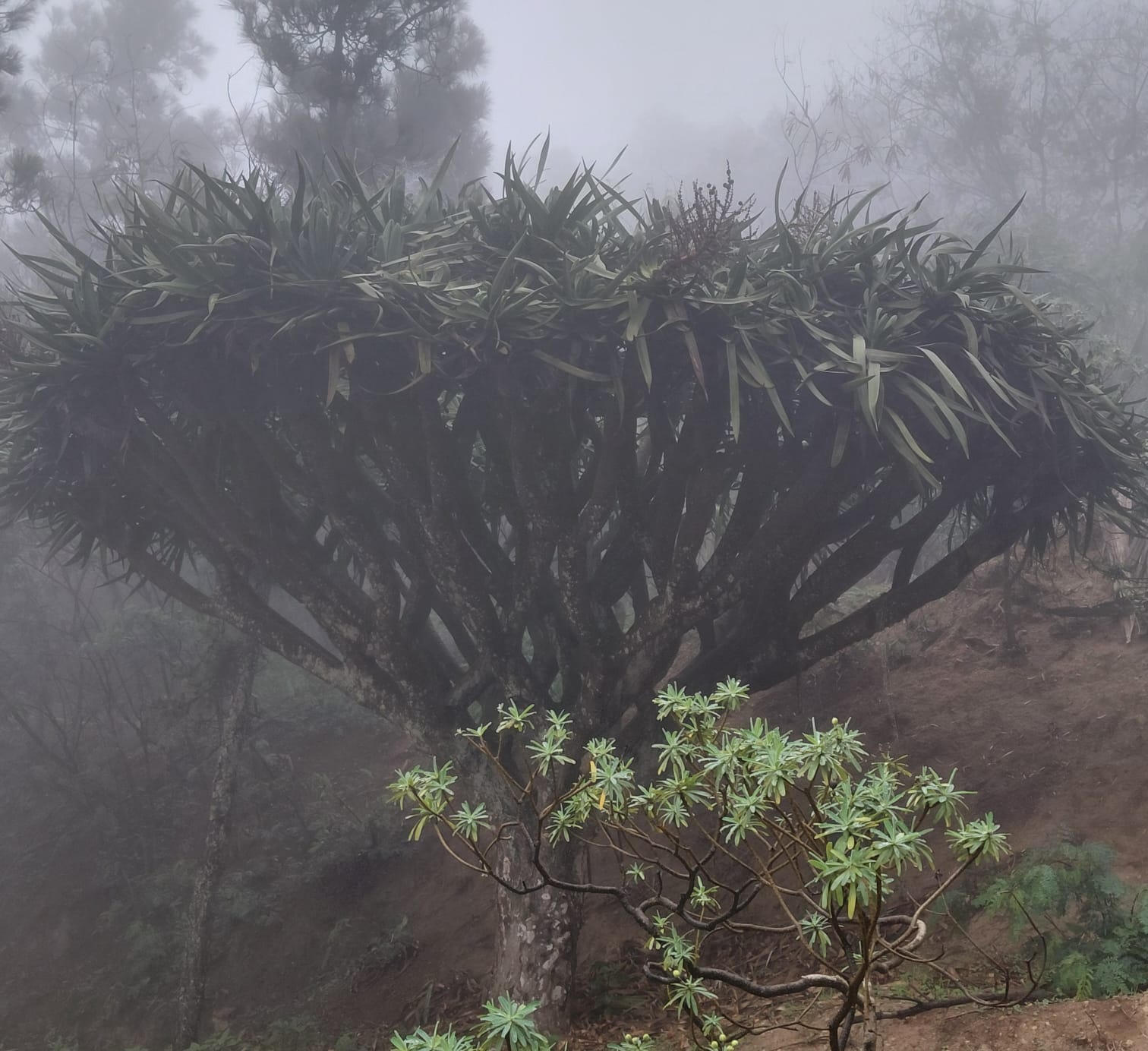
Context: Brava’s highland forests are a critical part of the island’s terrestrial ecosystem, providing habitat for endemic species, protecting soil and water resources, and regulating local microclimates. The forest perimeter is home to Dracaena caboverdeana, Sideroxylon marginatum, and several endangered endemic plants including Micromeria forbesii, Periploca laevigata, and Globularia amygdalifolia. However, the perimeter faces ongoing pressures from invasive species, uncontrolled grazing, and climate-related stresses.
Maintaining and monitoring the forest boundary is essential to safeguard these ecosystems, prevent further degradation, and ensure that conservation gains from restoration projects are sustained over the long term. A well-managed forest perimeter also supports adjacent agricultural lands and rural communities by reducing soil erosion, enhancing water retention, and maintaining biodiversity corridors.
Objectives
- Maintain and monitor Brava’s forest perimeter to prevent encroachment and degradation.
- Control invasive plant species along forest edges and adjacent areas.
- Reduce anthropogenic pressures, including uncontrolled grazing.
- Mobilize water resources through cloud-moisture harvesting to support forest and agricultural sustainability.
- Recuperate existing trails and create botanical trails to promote ecotourism and environmental education.
- Support local communities in sustainable forest management practices.
- Integrate forest maintenance activities with broader ecological restoration and rural development programs.
- Provide data and insights to guide adaptive management and long-term conservation strategies.
Expected Impact
- Improved ecological integrity and resilience of Brava’s forests.
- In-situ protection of Dracaena caboverdeana, Sideroxylon marginatum, and other endangered endemic plants including Micromeria forbesii, Periploca laevigata, and Globularia amygdalifolia.
- Reduced impact from invasive species and human pressures.
- Agroforesty restoration of the degraded ecosystem.
- Enhanced ecosystem services for surrounding communities, including water regulation and soil conservation.
- Development of ecotourism opportunities and environmental awareness through botanical trails.
- Strengthened capacity of local stakeholders to manage and protect forest resources.
- Long-term sustainability of conservation and restoration interventions across the island.
Results (ongoing)
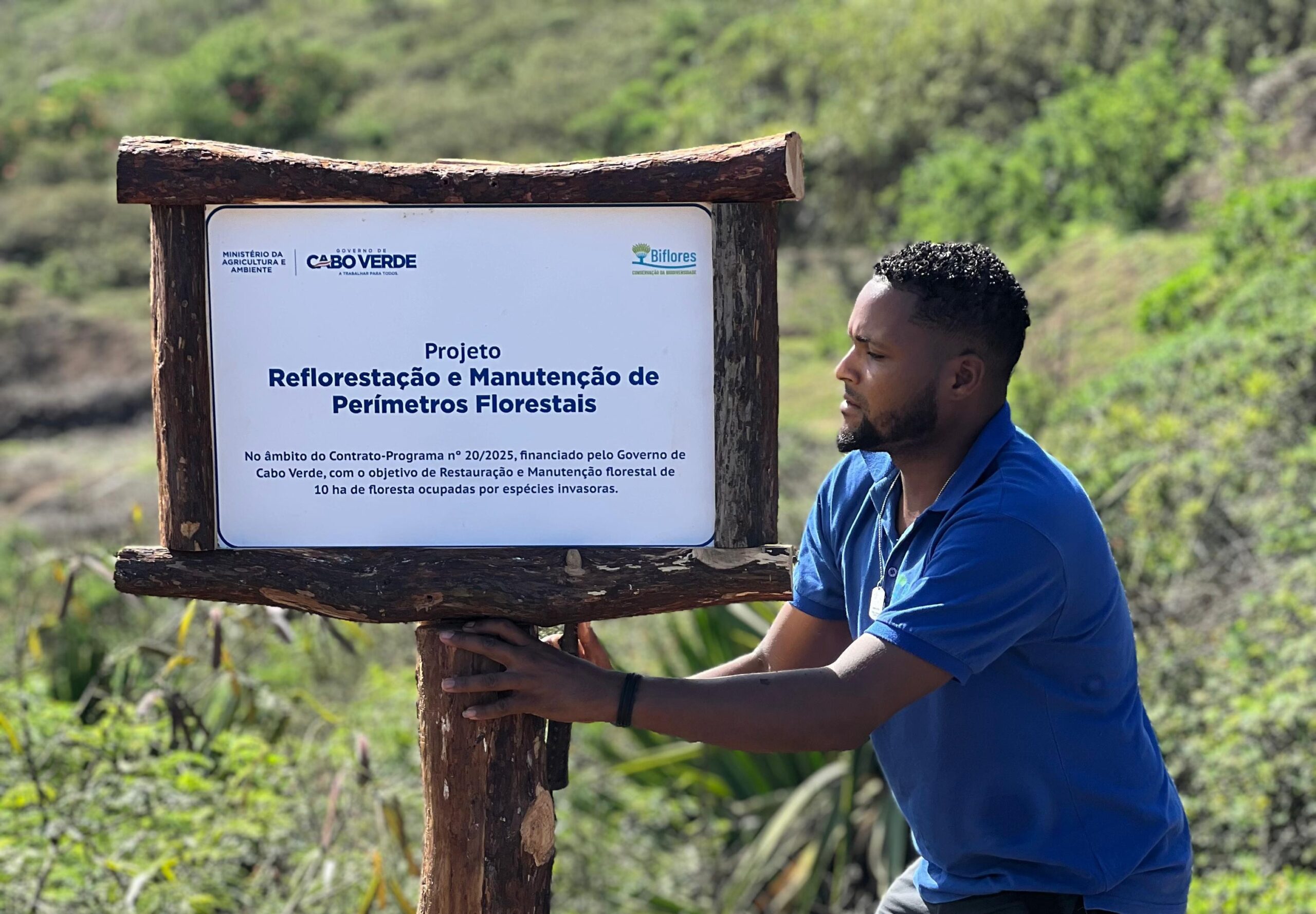
- Regular monitoring and maintenance of the forest perimeter.
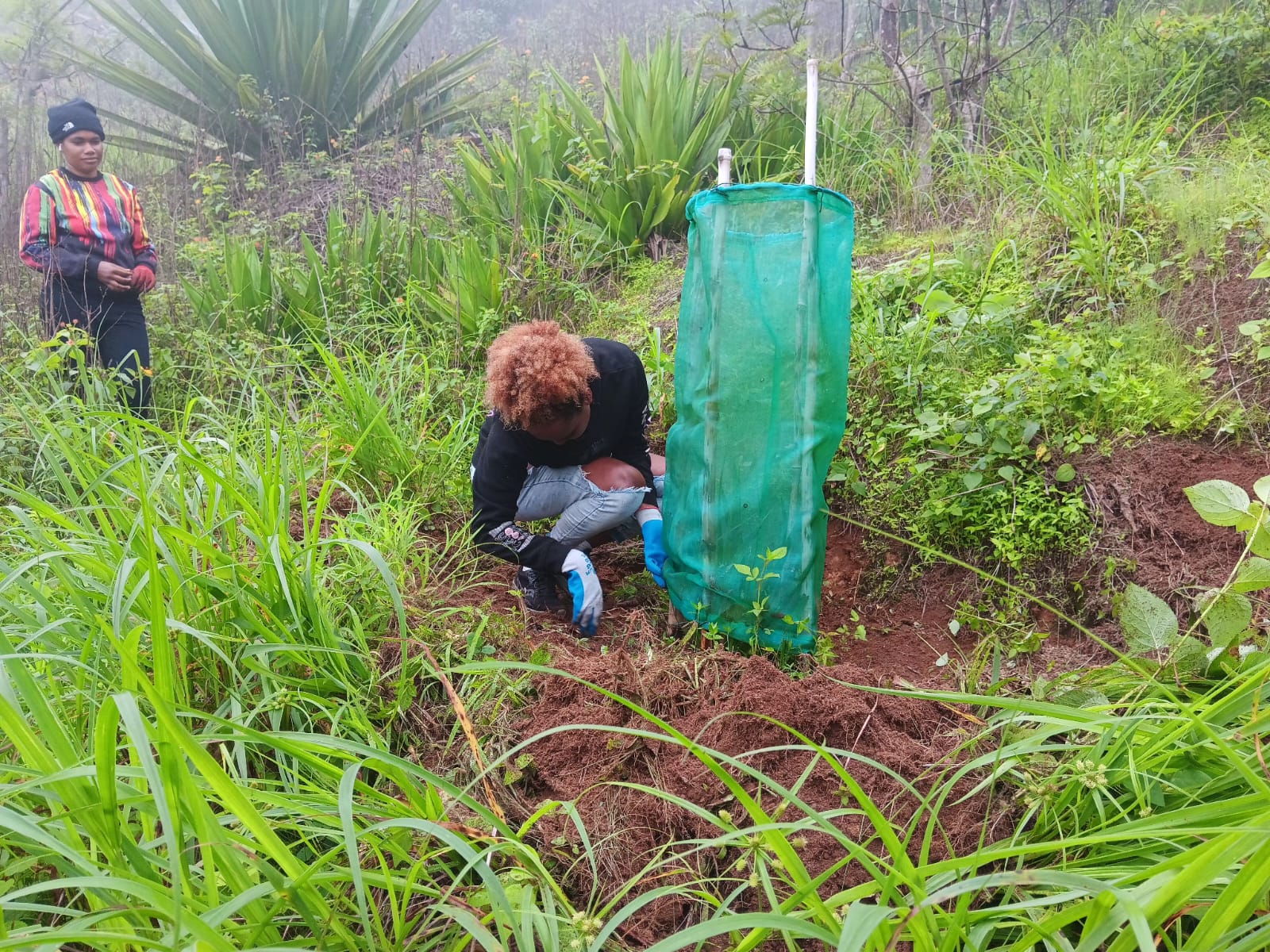
- Removal of invasive species and reinforcement of native vegetation along forest edges.
- Implementation of grazing controls.
- Cloud-moisture harvesting systems established to provide water for forest restoration and surrounding agricultural activities.
- Recuperation and creation of botanical trails for ecotourism and environmental education.
- Community engagement and training programs on forest stewardship.
- Documentation and mapping of forest health and biodiversity indicators.
- Collaboration with local and international partners for technical expertise and best practices.
Past Support
- Franklinia Foundation (in partnership with Fauna and Flora)
Current Support
- SMILO (Small Islands Organization)
- Ministry of Agriculture and the Environment
- Critical Ecosystem Partnership Fund