

Agroforestry Restoration for a Sustainable Future on the Island of Brava
Context: Brava’s landscapes have been historically shaped by a mix of subsistence agriculture and pastoral systems. Over recent decades, rural abandonment, limited access to water, and unsustainable land use practices have caused soil degradation, loss of native vegetation, and declining agricultural productivity. These changes threaten both biodiversity and the livelihoods of local communities, making it essential to restore agroforestry systems that balance ecological health with sustainable rural development.
Objectives
- Restore degraded agroforestry landscapes through the reintroduction of native trees, shrubs, and productive plant species.
- Promote sustainable agricultural practices that integrate crop cultivation, tree planting, and soil conservation.
- Provide technical assistance and capacity building for farmers and local communities in climate-resilient agroforestry techniques.
- Enhance food security and local livelihoods by increasing yields and diversifying agricultural products.
- Integrate local ecological knowledge with scientific methods to optimize restoration outcomes.
Expected Impact
- Increased coverage of native tree and shrub species across Brava’s agricultural landscapes.
- Improved soil quality and reduced erosion in restored agroforestry areas.
- Strengthened resilience of local farms to climate variability and water scarcity.
- Enhanced community capacity to implement and maintain sustainable agroforestry systems.
- Promotion of a landscape-level approach linking ecological restoration with sustainable rural development.
Results (ongoing)
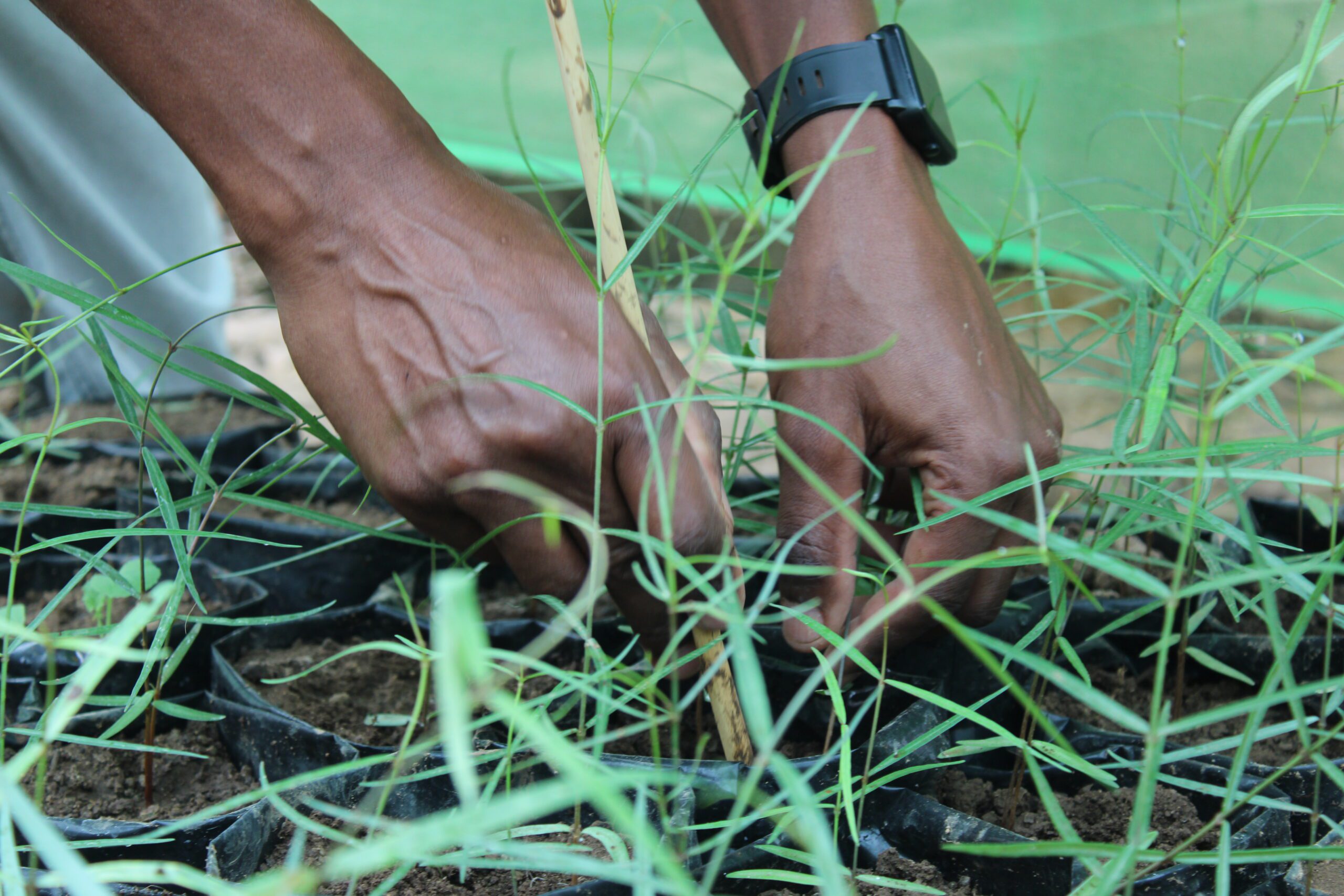
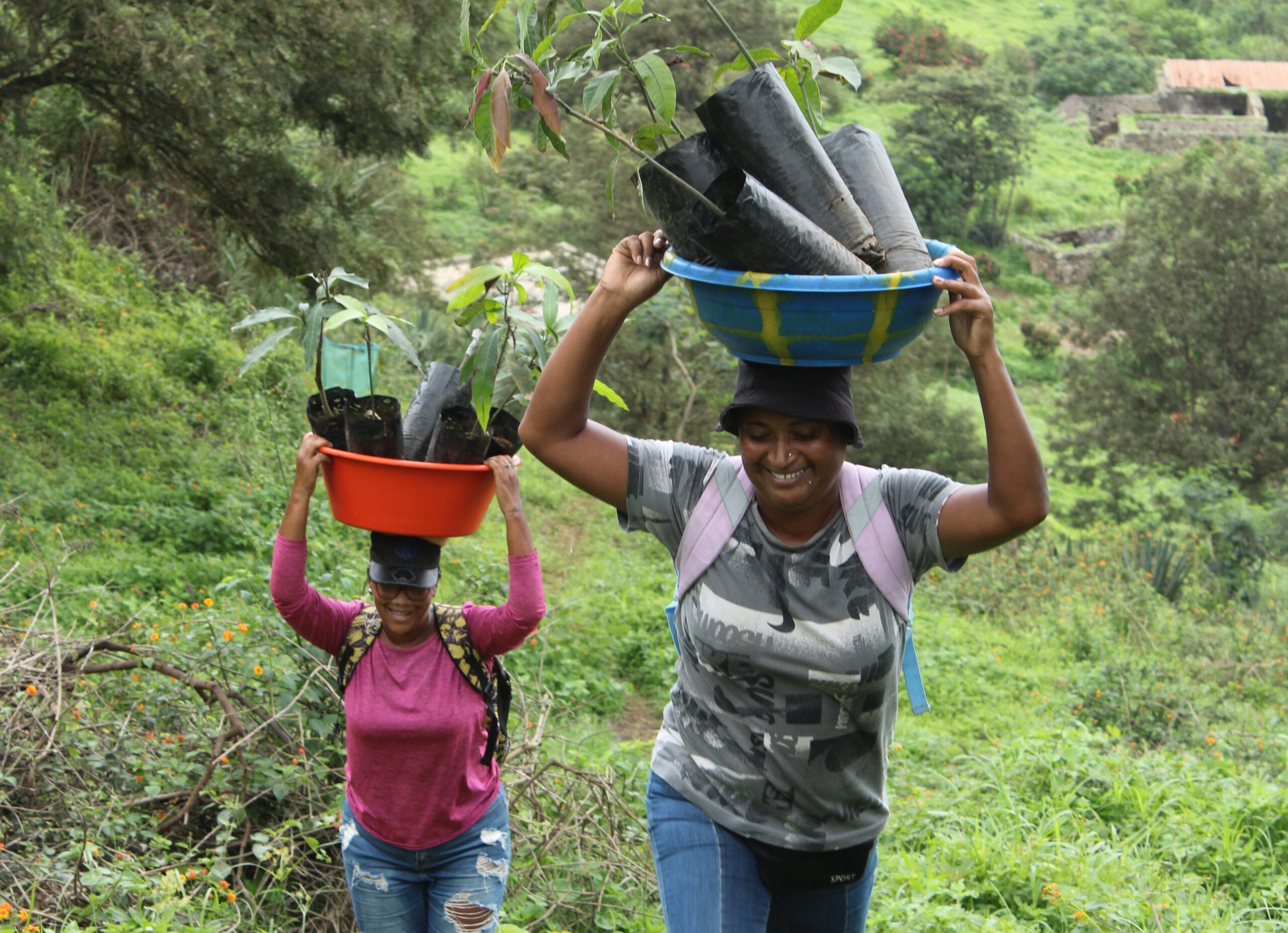
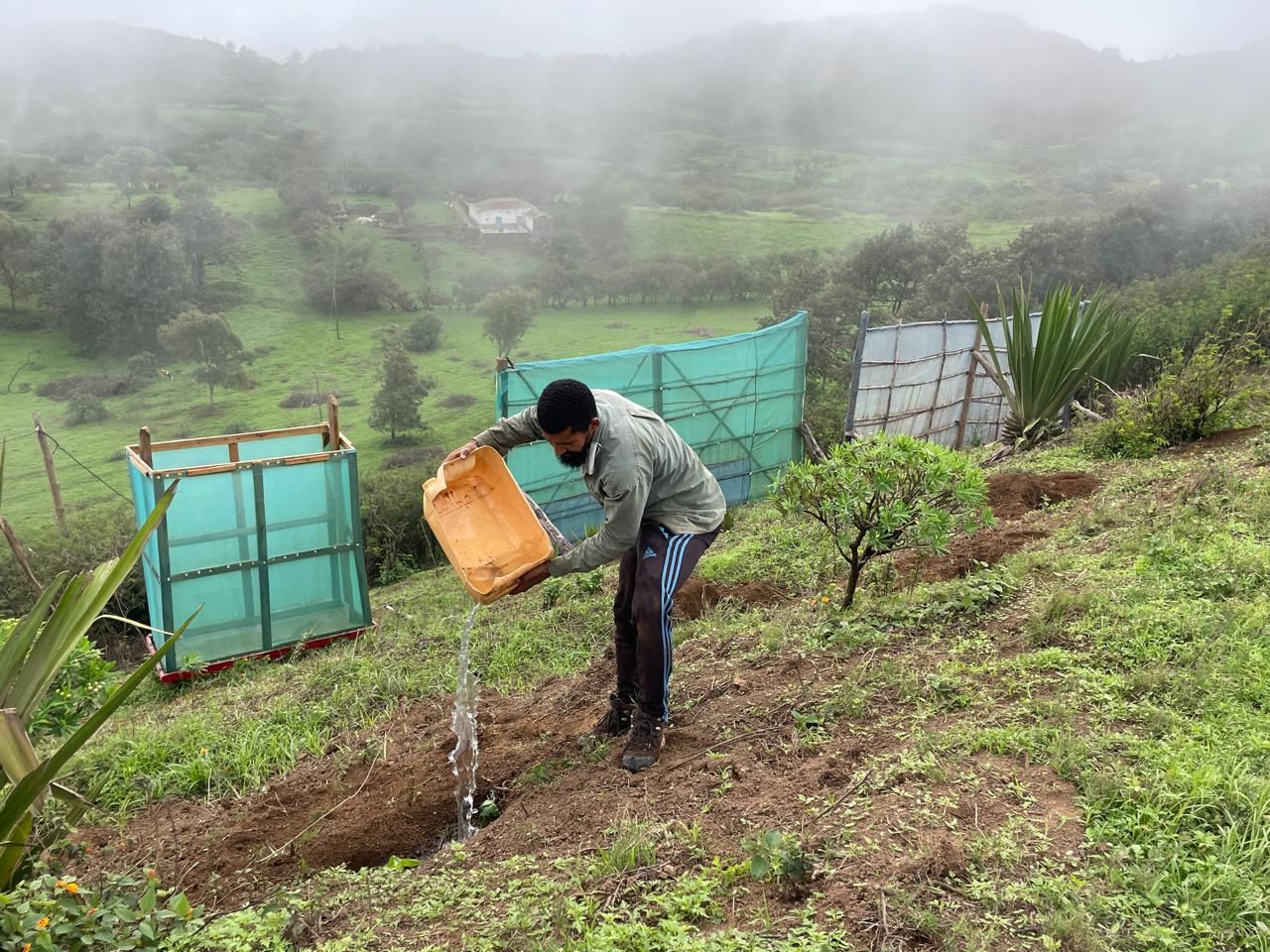
- Restoration of degraded agroforestry plots with native and productive species.
- Demonstration sites established to showcase best practices for sustainable agroforestry.
- Trainings and workshops delivered for local farmers on soil conservation, crop-tree integration, and water management.
- Knowledge exchange with national and international partners to test innovative techniques.
- Improved ecological and economic outcomes for participating communities.
Past Support
- Fondation Franklinia
Current Support
- Ministry of Agriculture and the Environment
- Small Islands Organization (SMILO)
Technical Partners
- Conservatoire Botanique National de Brest
- BeSafe Group