Dheeraj Jayant
Uncontrolled grazing and invasive species have been identified by the IUCN amongst the top 3 ‘most pervasive’ threats to endemic terrestrial biodiversity in Cabo Verde. This post draws from historical, sociological and anthropological and political texts to provide insights into the origins of these threats. By engaging with a critical political ecology perspective, we may question dominant assumptions and narratives on the causes of environmental degradation and gain a deeper understanding into the relationship between human and non-human communities, as they co-evolved in the context of Cabo Verde. Understanding how rural communities intervene in environmental processes to benefit their production may help design socially and culturally appropriate conservation strategies.
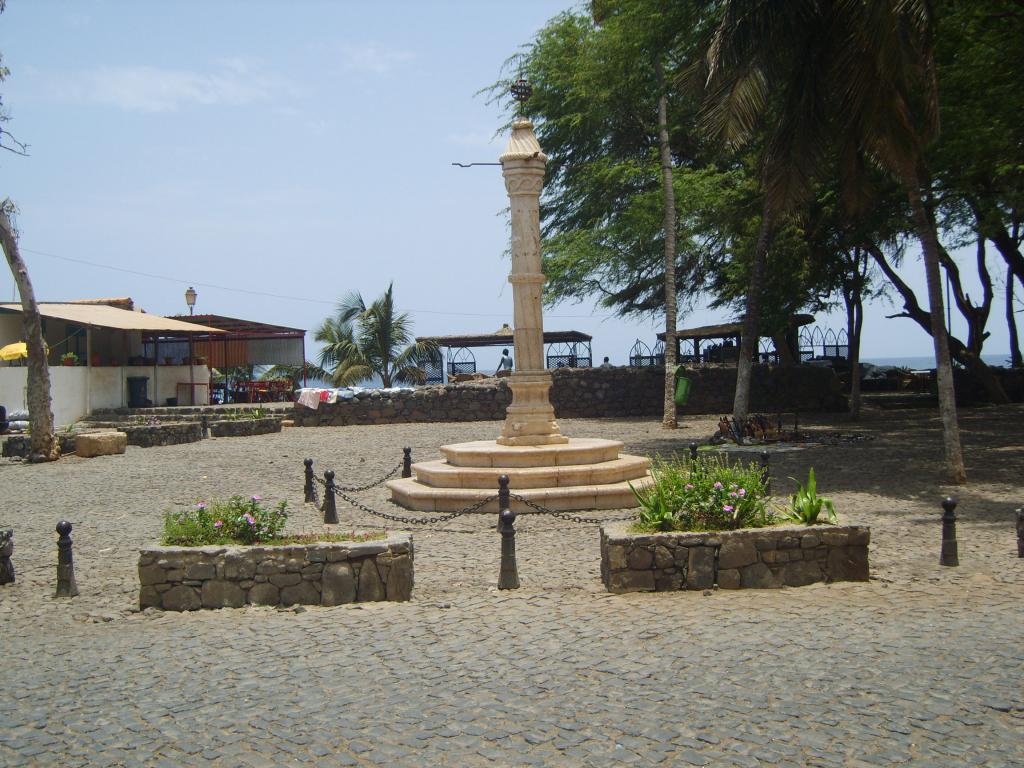
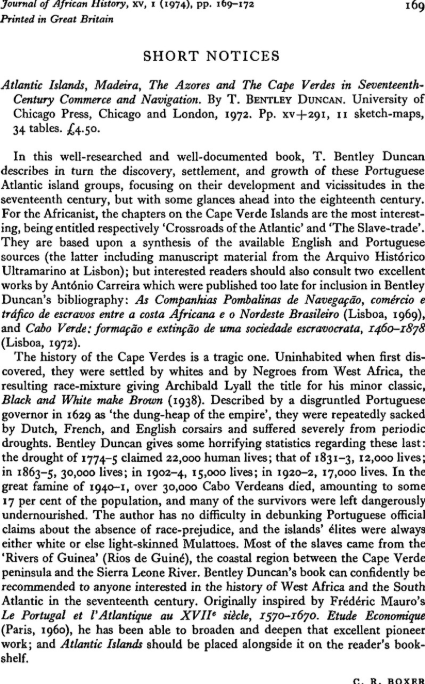
Cabo Verde celebrated its 50th year of independence from Portuguese rule on 5 July 2025. The inhabitation of the islands since the 15th century is closely linked to its geostrategic location in the Route of Enslaved Peoples. Of the ten major islands, São Vicente, Sal, Maio, Boavista and Santa Lúcia were basically large salt plants with extremely limited vegetation. The other five – Santiago, Fogo, Brava, São Nicolau and Santo Antão had arable land in their interiors, especially in the valleys, which contained streams, springs and were described as ‘very green and fertile’.
By 1466, the Portuguese Empire had secured the exclusive right to the trade of enslaved people from Senegambia to Guinea and established the port of Ribeira Grande (today known as Cidade Velha or ‘the Old City’) in the island of Santiago. Ribeira Grande remained the most important harbour for the trade of enslaved peoples for more than a century. Most enslaved peoples that were sent to Cabo Verde came from the ‘Rivers of Guinea’ – the coastal region between the Green Cape of Senegal and the Sierra Leone River.
On the origins of environmental change
Native biodiversity was never of great interest to Portuguese settlers. They sought instead to introduce human, animal, and plant life that could provide economic value to the islands. Goats were introduced for their hair, hide, milk, and meat. They became an important source of the local economy in the early 16th century. By the early 18th century, the rent (to be paid to the Portuguese Crown) of the island of Boavista was raised exclusively by the sale of goat skins. Horses and donkeys were introduced for their labour. Monkeys were introduced as pets, for entertainment, and as a potential food source during long ship journeys. Rats were unintentionally introduced by ships. Despite the limited available freshwater resources, thirsty sugarcane and cotton plantations were favoured by colonial agricultural policy. The labour of enslaved peoples produced the animal products (meat, cane sugar, rum), cloth (processed cotton), and dyes from native lichens, creating the value that was then exported to passing ships.
Until the successes of movements against the transatlantic trade of enslaved peoples in the second half of the 18th century, the major economic activity in the islands revolved around slavery, both trade and labour.
Colonial resource distribution was organized by a land tenure system known as the “Morgadio system,” which concentrated land ownership in the hands of a privileged few. Landowners or “morgadus” sought maximum extraction and exploitation of natural resources, labour and rent. The vegetation cover of the islands was completely transformed by this shortsighted land-use, land tenure, economic, political, and social system. Naturally, the soil and water systems of the islands were also reconfigured, as the removal of the native plant cover left soils vulnerable to immense erosion. Sharecropping patterns changed little after emancipation from slavery. Since independence in 1975, they have been defined by absentee landlordism, as many “morgadus”, fearing land redistribution by the socialist government, emigrated to Europe and the United States of America.
In addition to the degradation induced by this colonial politico-economic system, ‘natural’ physical conditions, including changes in atmospheric circulation and Atlantic sea surface temperatures, also contributed to an evolution of the climate towards drier conditions.
On the Origins of Free Grazing
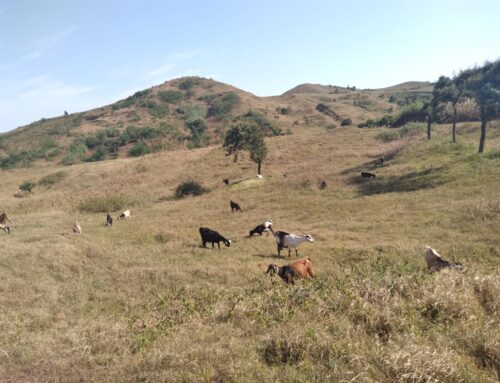
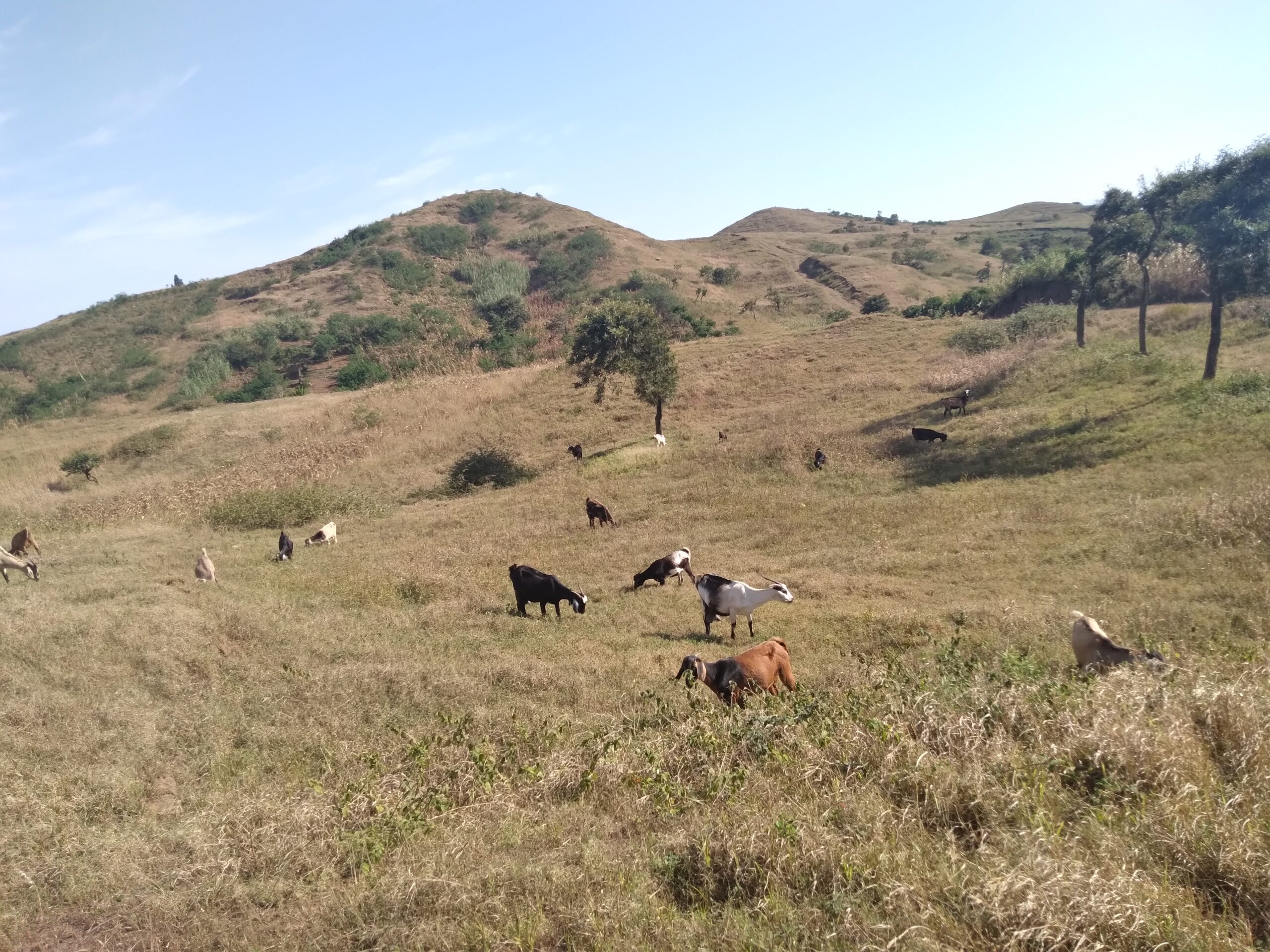
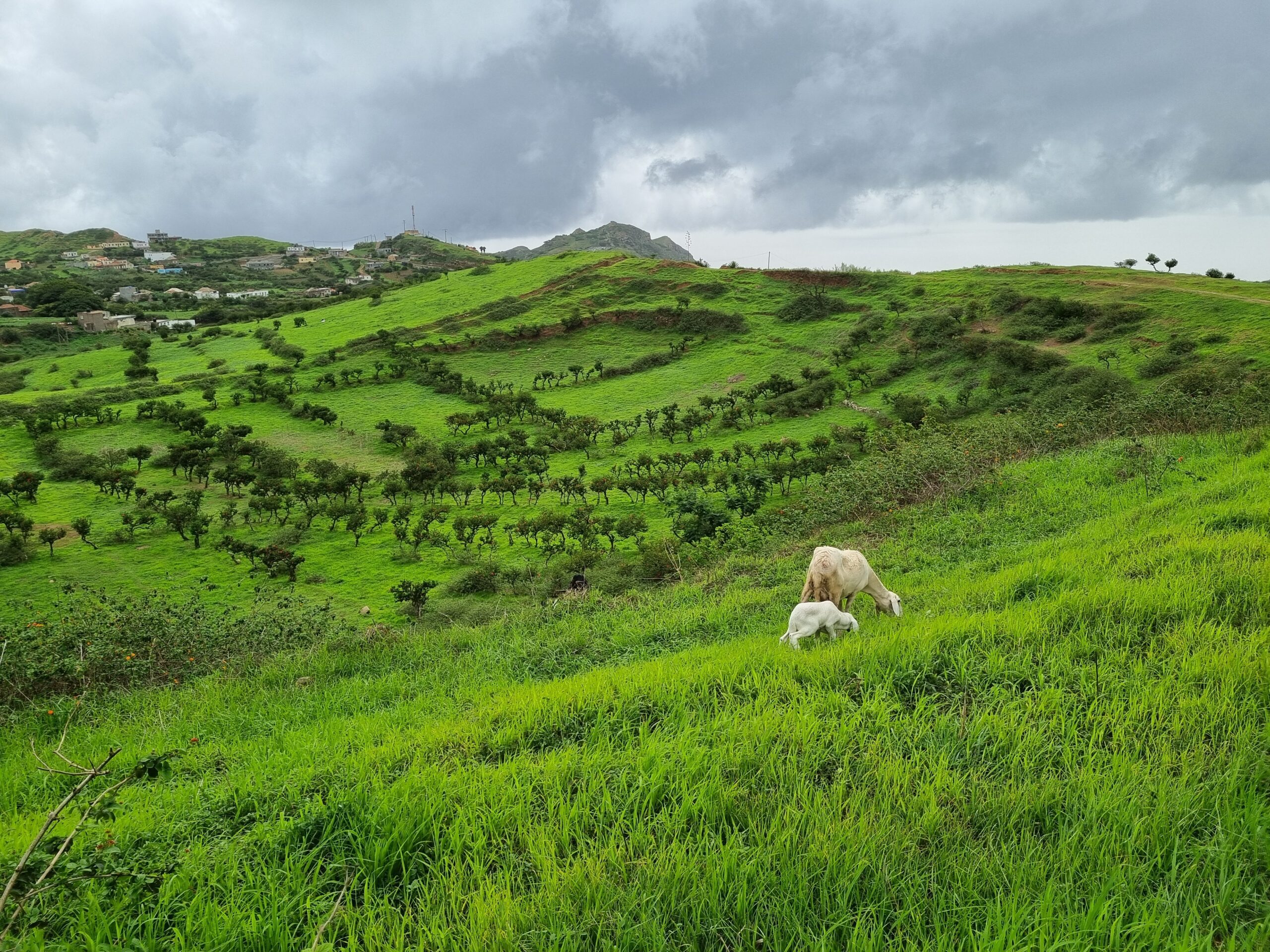
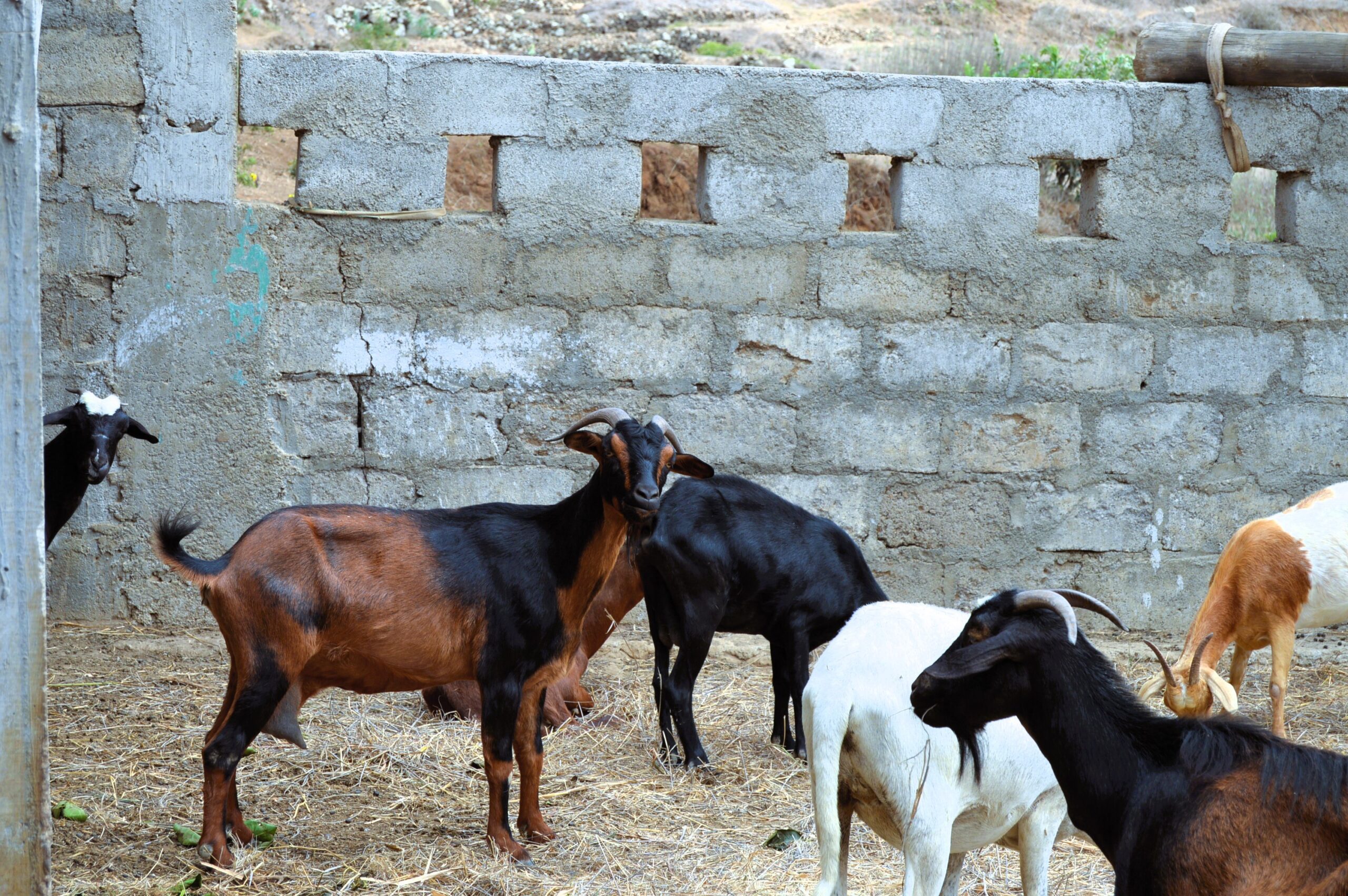
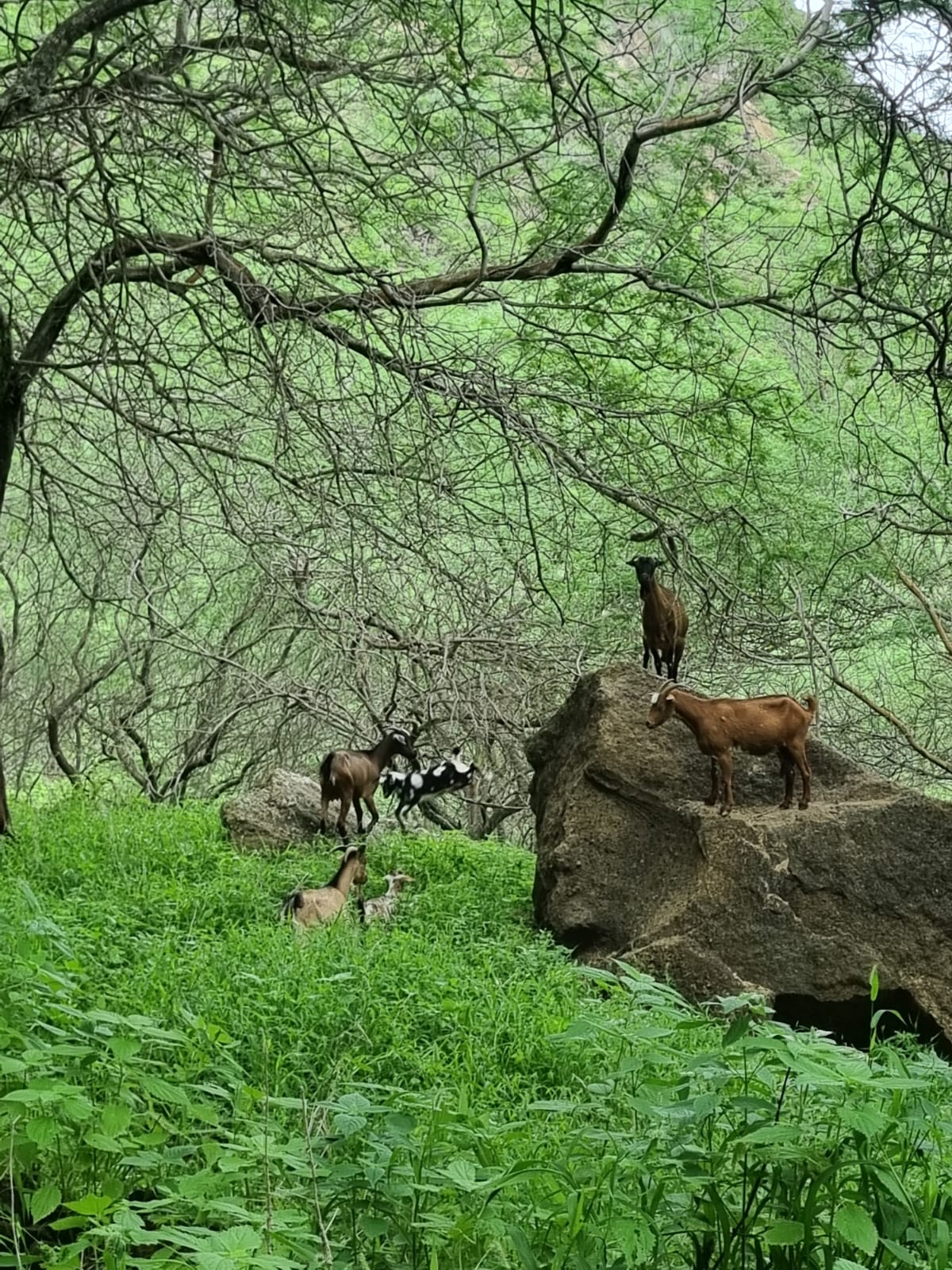
The introduction of goats had detrimental effects on the islands, observed as far back as 1722. Goats graze down to the roots, leading to the complete disappearance of the protective herbaceous layer and exposing the ground to water and wind erosion. Overgrazing destabilized the steep island slopes.
The introduction of new terrestrial life began to shape not only the ecosystems but also the culture and imagination of the islands’ inhabitants. Introduced human and animal life co-evolved, creating co-dependencies as goats became central to local diet and culture. Despite the negative impacts of the grazing regime, cattle rearing has been of primary importance in most of the Cape Verdean rural world. A healthy herd of goats (and more recently cows) has historically constituted wealth, nutritional security, and insurance for the landless rural population. Many forms of Cape Verdean musical expression include percussion from the tambor, made from goat skins. Until today, in the cultural imagination of many young rural Cape Verdeans, owning and managing a productive Silvo-pastoral system is often seen as the epitome of success.
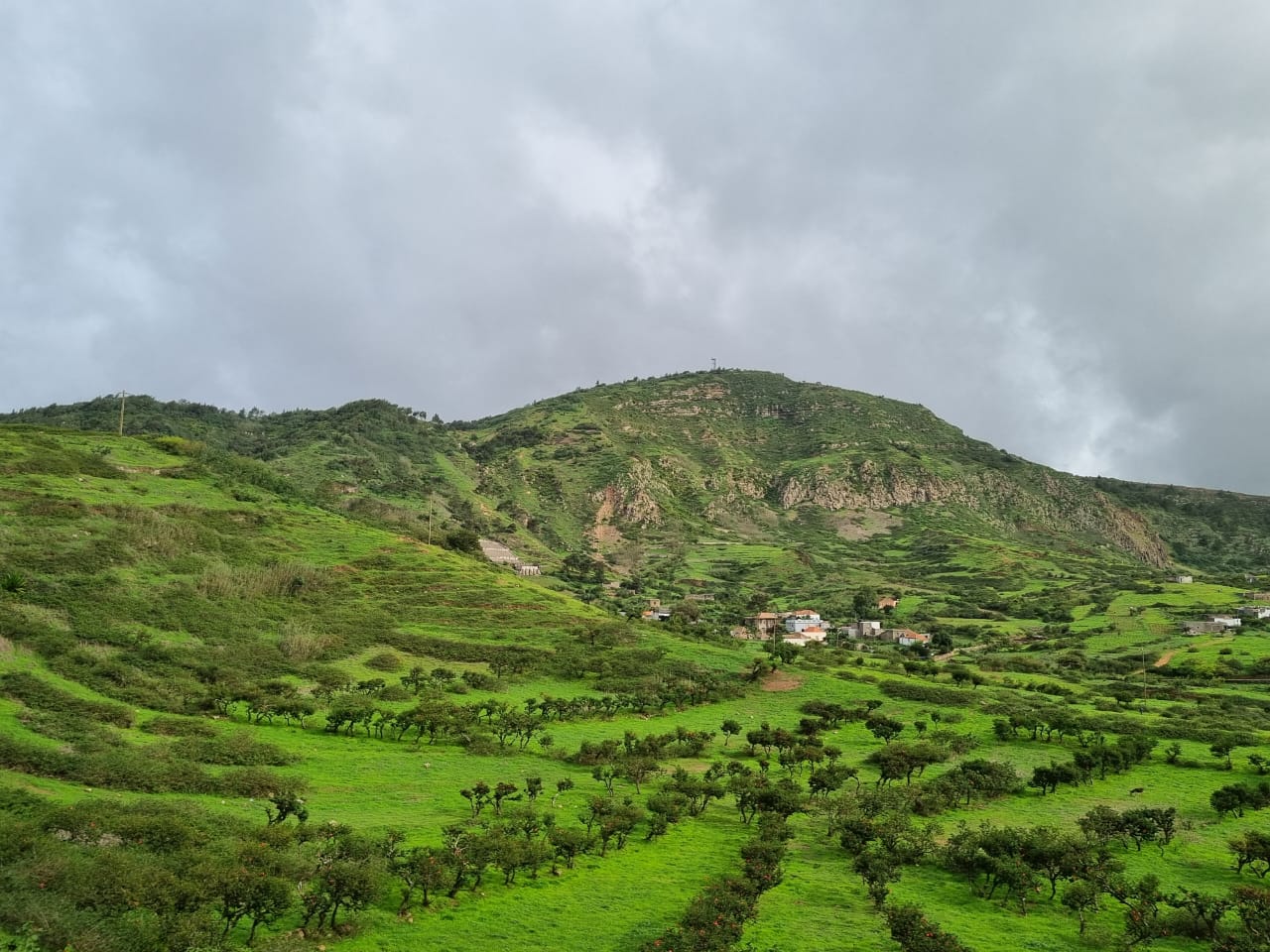
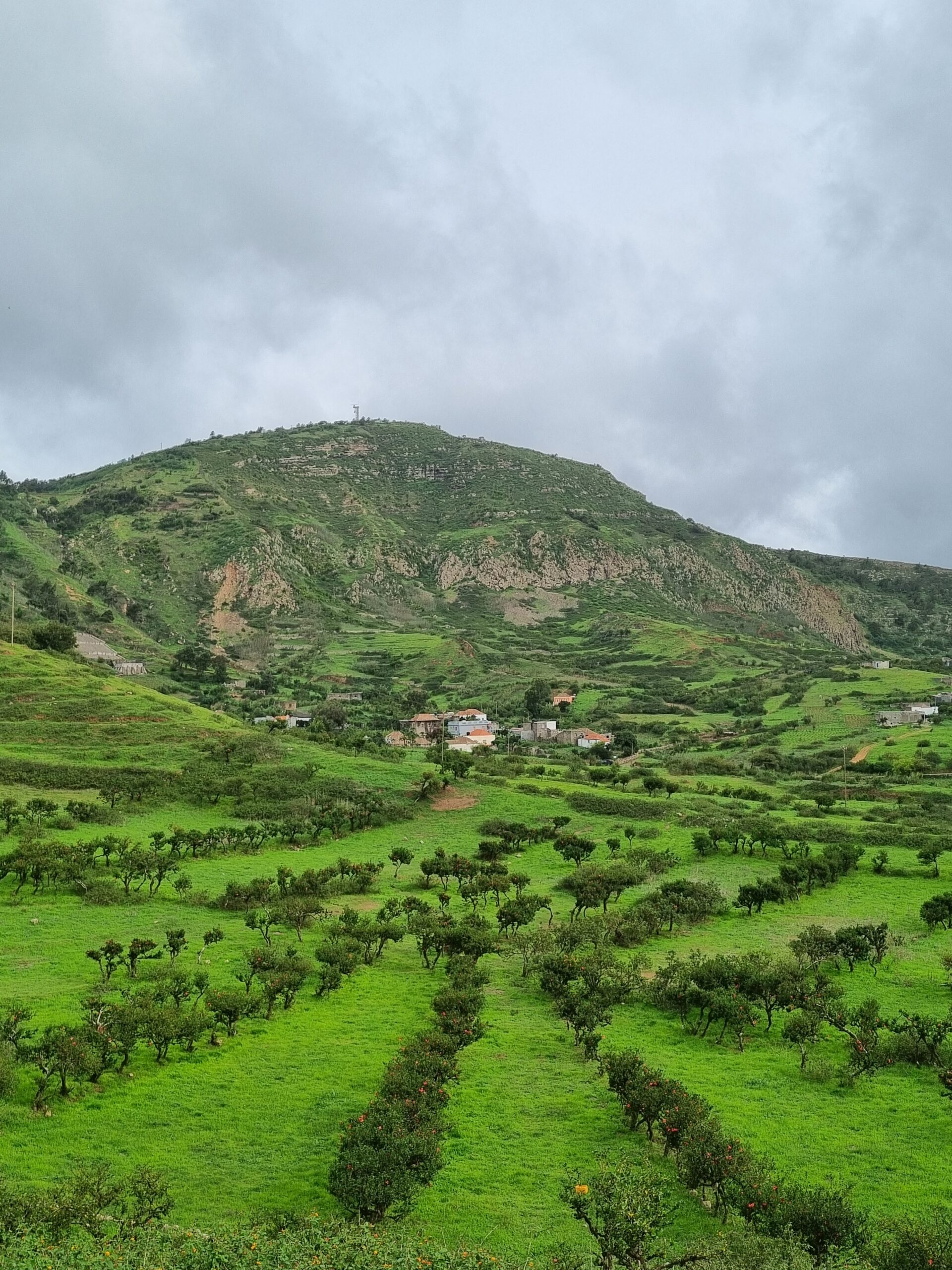
Contrary to “received wisdom” that suggests rural populations may not be aware of the long-term impacts of goats on the fragile island ecosystem, our engagement with farmers and cattle breeders of Brava demonstrates a historical consciousness of the detrimental impacts of goats on the environment. After all, who better to observe and understand environmental impacts than those who depend directly on the land for their survival? In areas of abundant cultivation, strict grazing regimes and social controls were implemented by farmers to ensure that free grazing was limited to non-cultivated landscapes, which until the late 1990s represented less than a mere 10% of Brava’s land surface.
On the origins of Invasive Plant Species
The first independent government of Cabo Verde, tasked with nation-building and development, was formed in the context of the drought-induced Global Food Crisis, which caused the deaths of approximately 2 million people in the Sahel region (of which Cabo Verde is a part) due to famine. The young State quite understandably prioritized food security, combating desertification, and energy security for its development strategy.
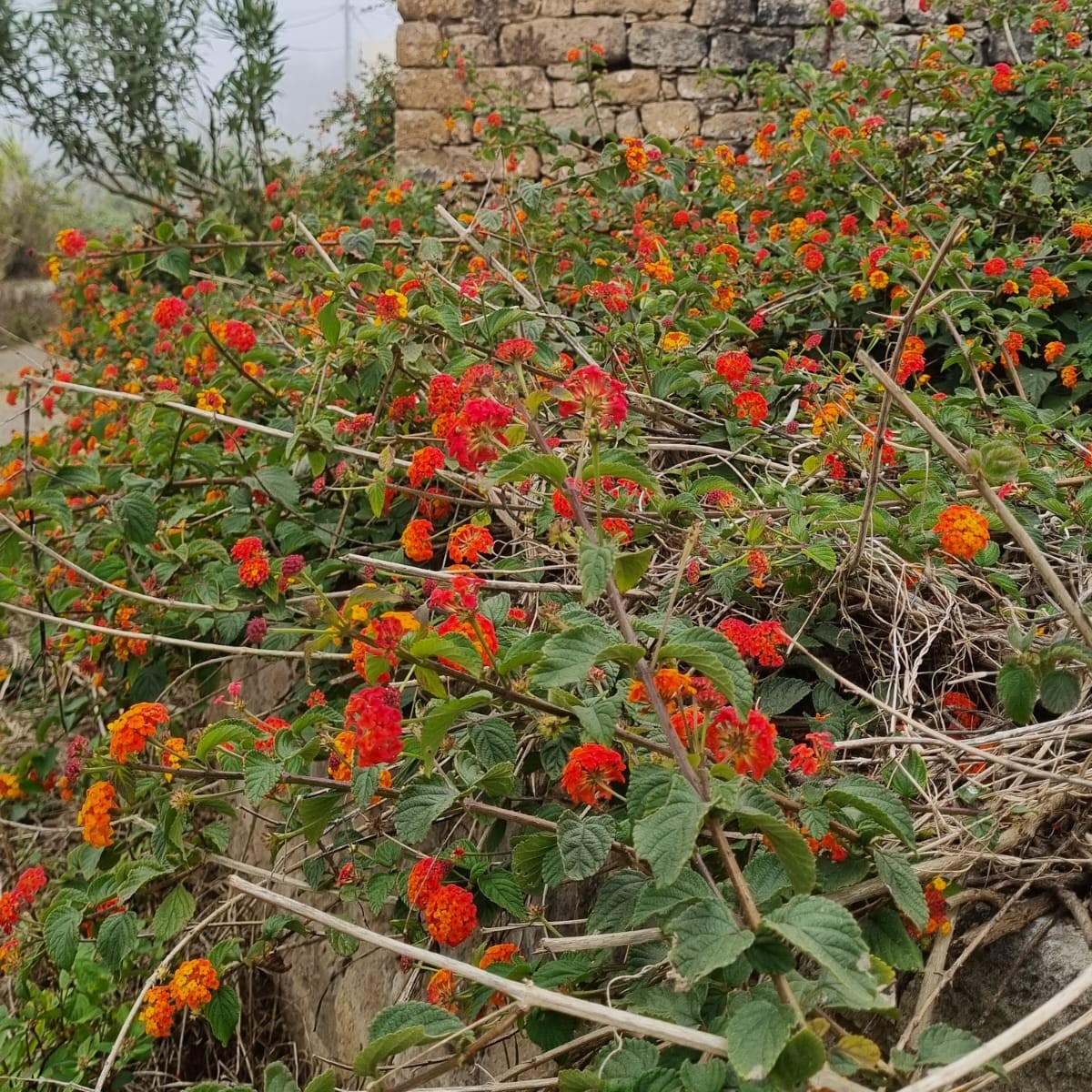
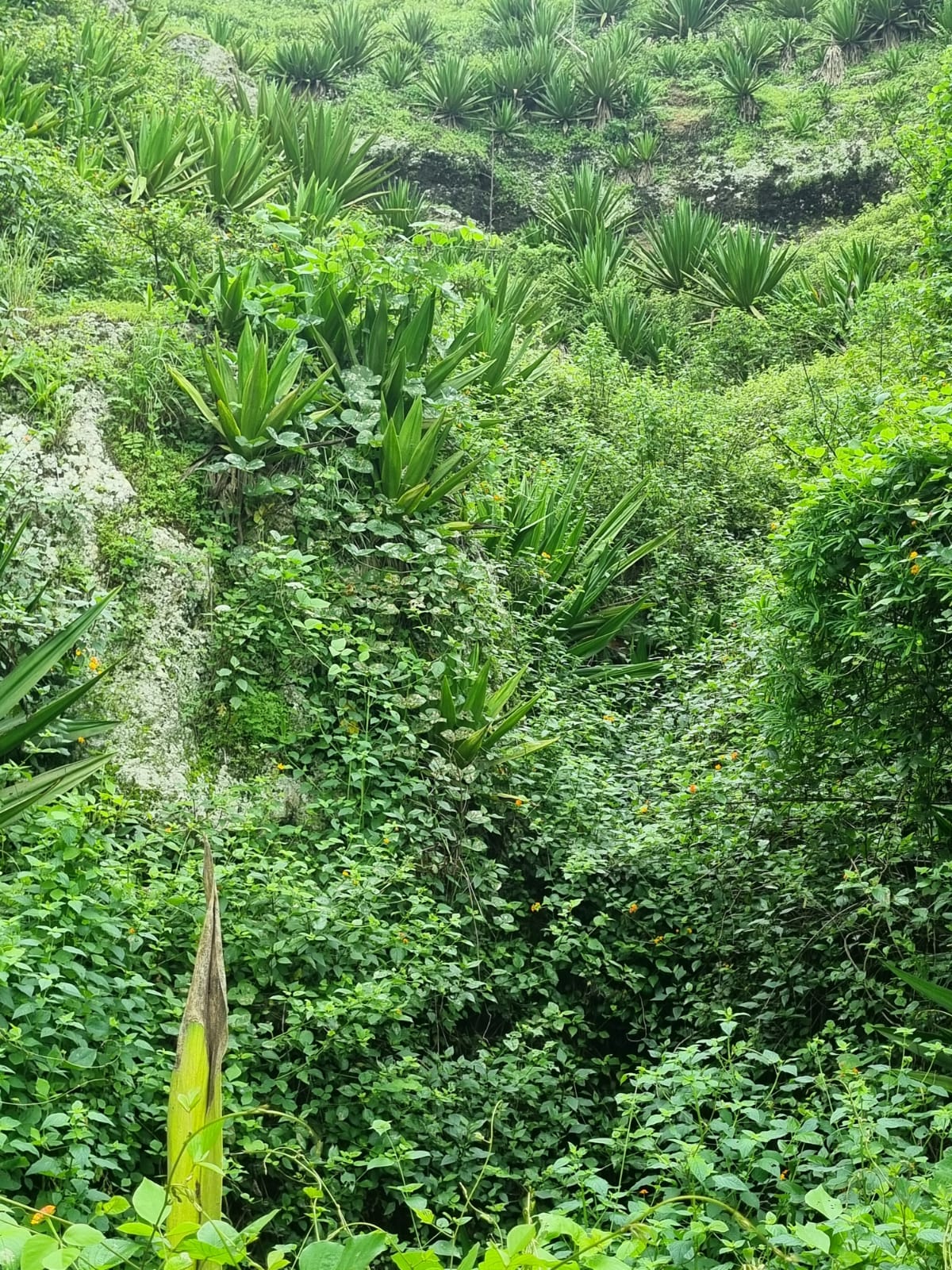
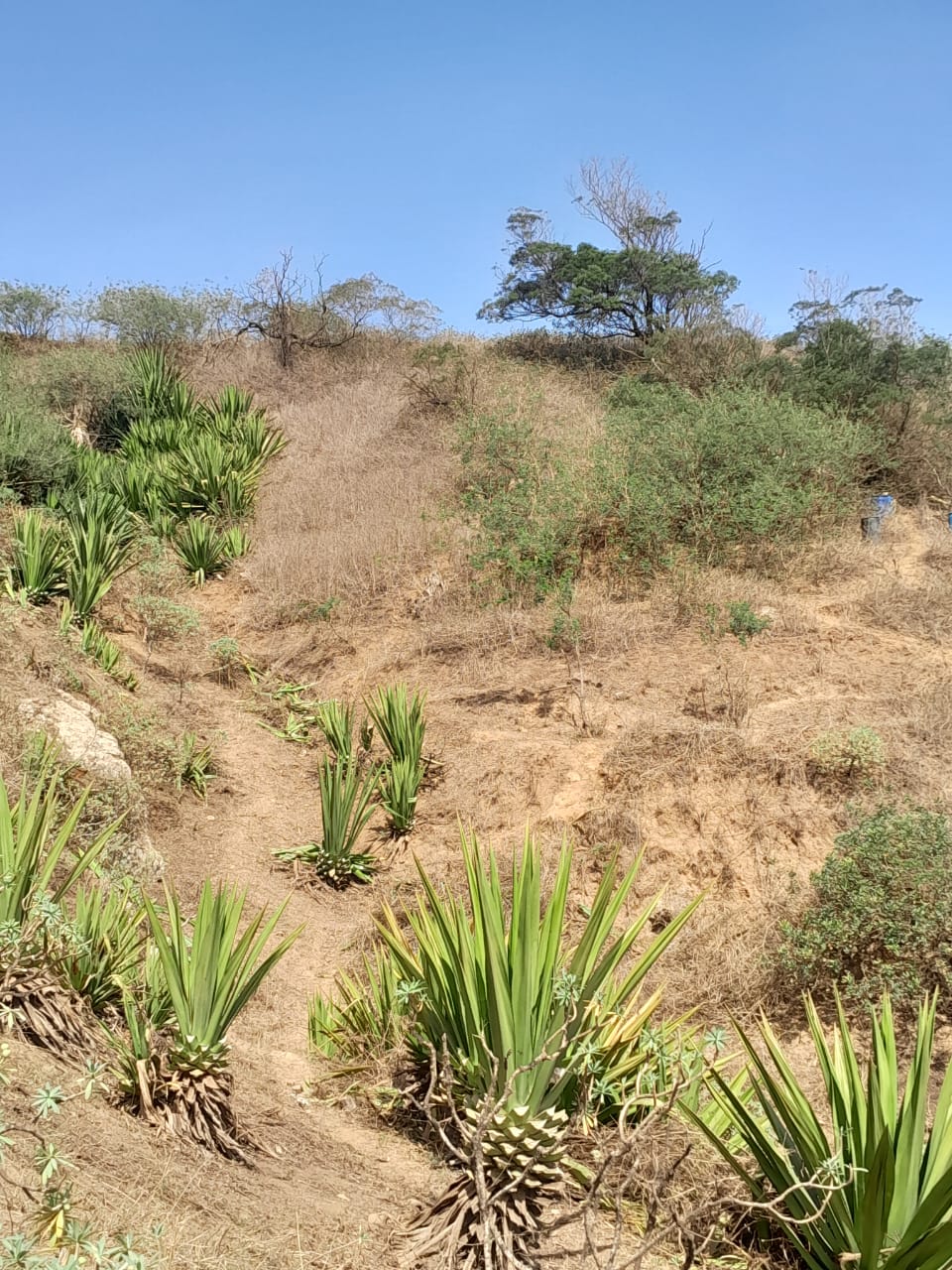
Cabo Verde was a member of the Permanent Interstate Committee for Drought Control in the Sahel (CILSS) and followed its technical recommendations of afforestation for drought control with species including the American Acacia (Prosopis juliflora) and Sisal/Agave (Furcraea foetida). Fleira/Lantuna/Tripadeira (Lantana camara) was also introduced as a source of firewood. These species were introduced with the noblest of intentions: they provided nutrition for cattle, prevented soil erosion, offered energy and shade, “greened” the landscapes and were drought resistant. The afforestation programs provided rural employment and new natural resources and were highly appreciated by local communities. Recognizing the importance of these introduced species, state institutions (delegations of the Ministry of Agriculture, rural extensions, etc.) and rural communities managed this vegetation via formal and informal policies and with the available knowledge. Local knowledge of these species and their uses developed over time, and they were initially controlled within the traditional agricultural landscapes.

Changes in Resource Use Regimes
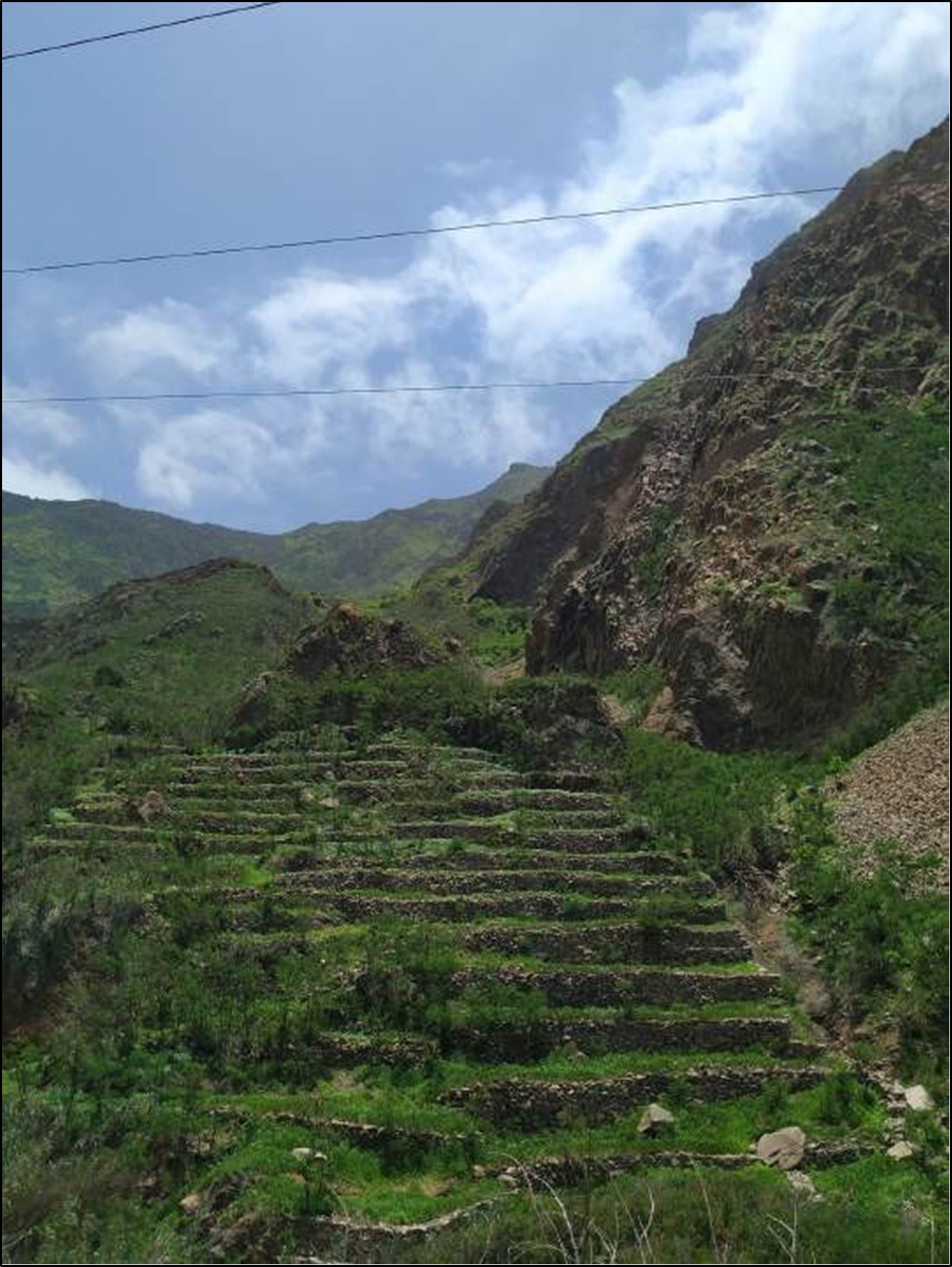
The combination of crises of water scarcity (induced by climate change, and modern water management which has facilitated ease of access for domestic use but reduced water availability for agriculture), food importation policies (which increase availability but undermine local production), increase in agricultural pests and diseases, and persistent land access issues has made rural life increasingly difficult. Cultivation has dropped alarmingly – local accounts and visible vestiges indicate that around 90% of Brava was cultivated in the 1990s. Today, only about 10% of the land is cultivated. The degradation of the traditional agricultural landscapes has reduced opportunities for work, driving a rural exodus. Labour is scarce, and youth disillusionment is rampant and often misinterpreted as “laziness.”
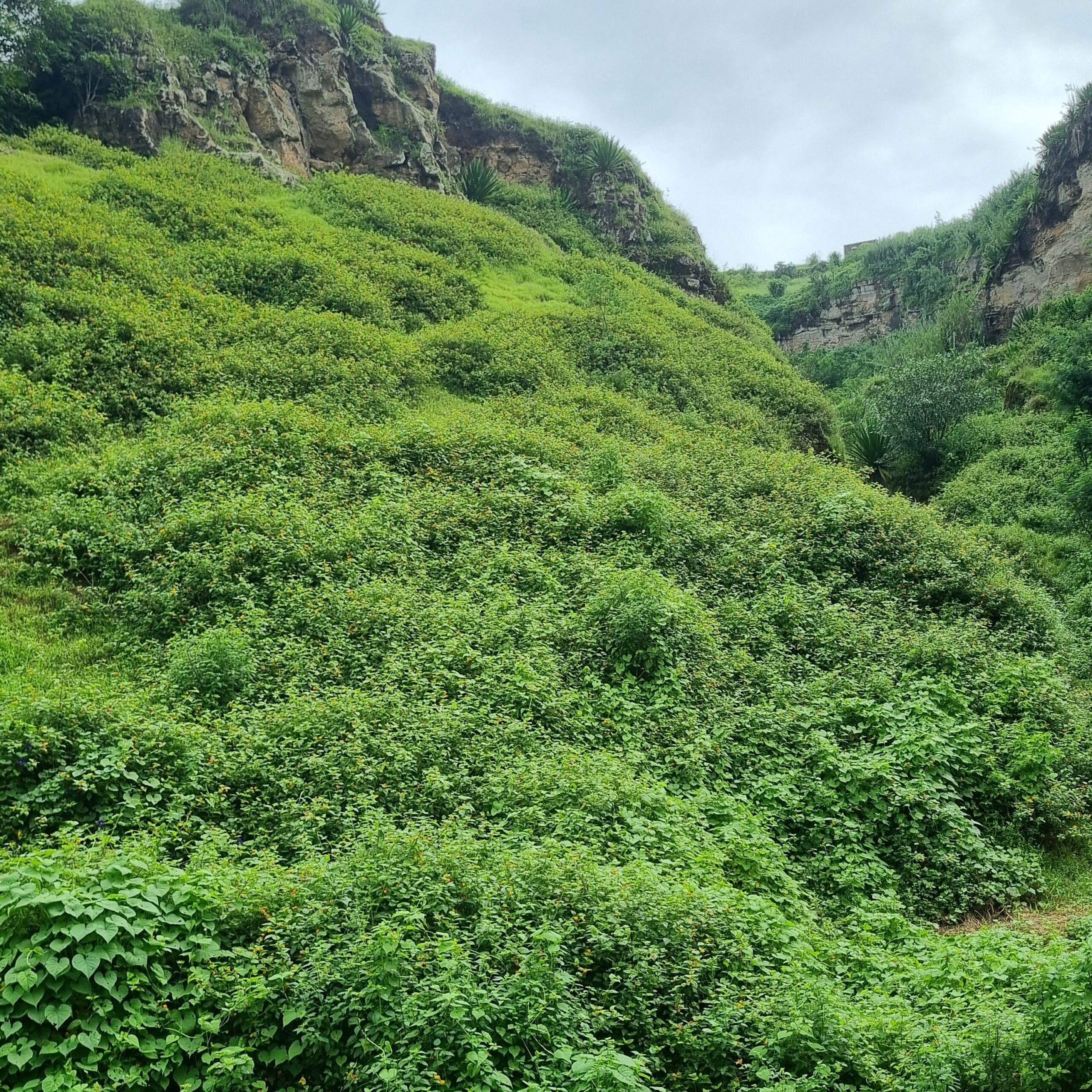
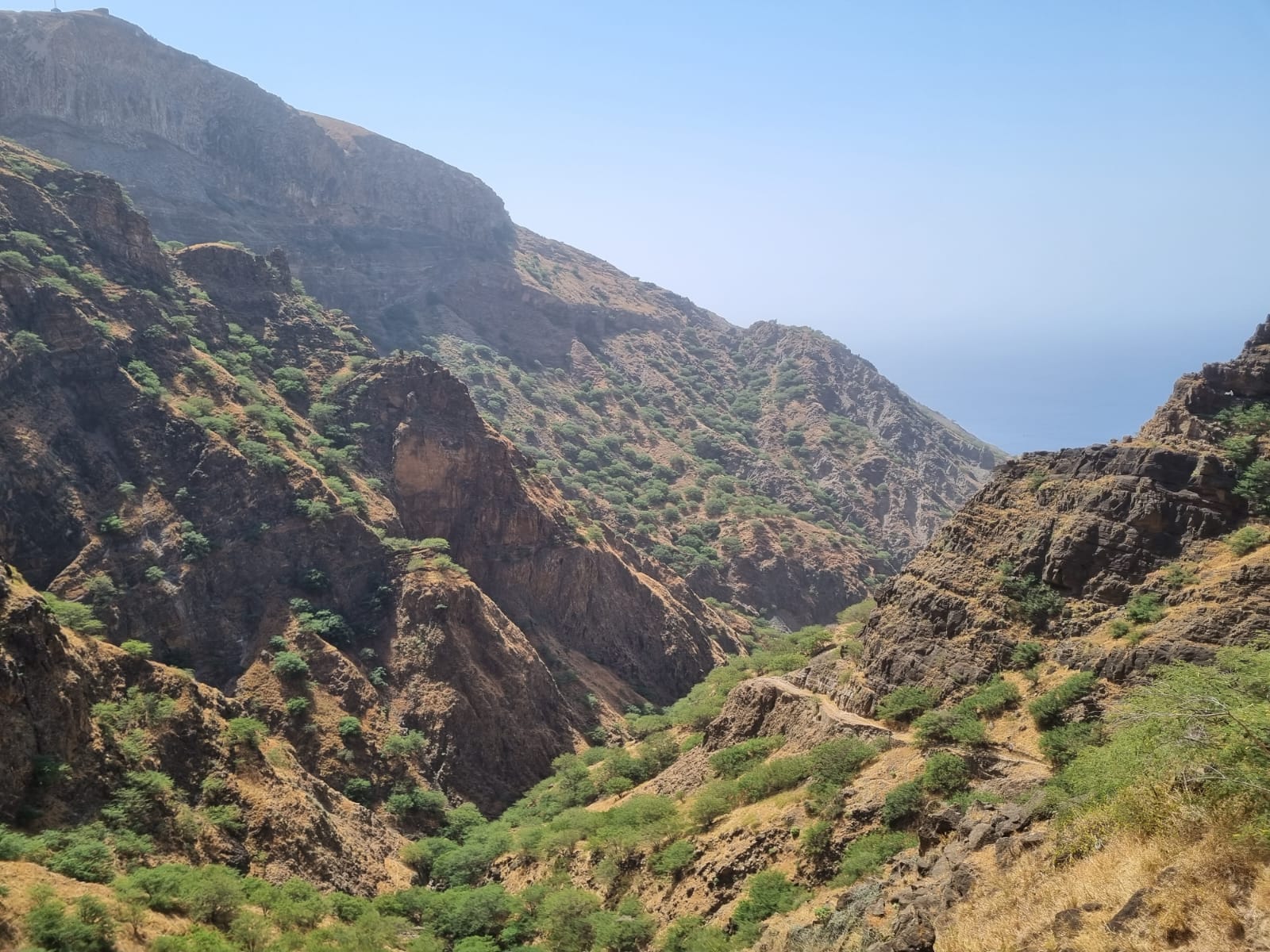
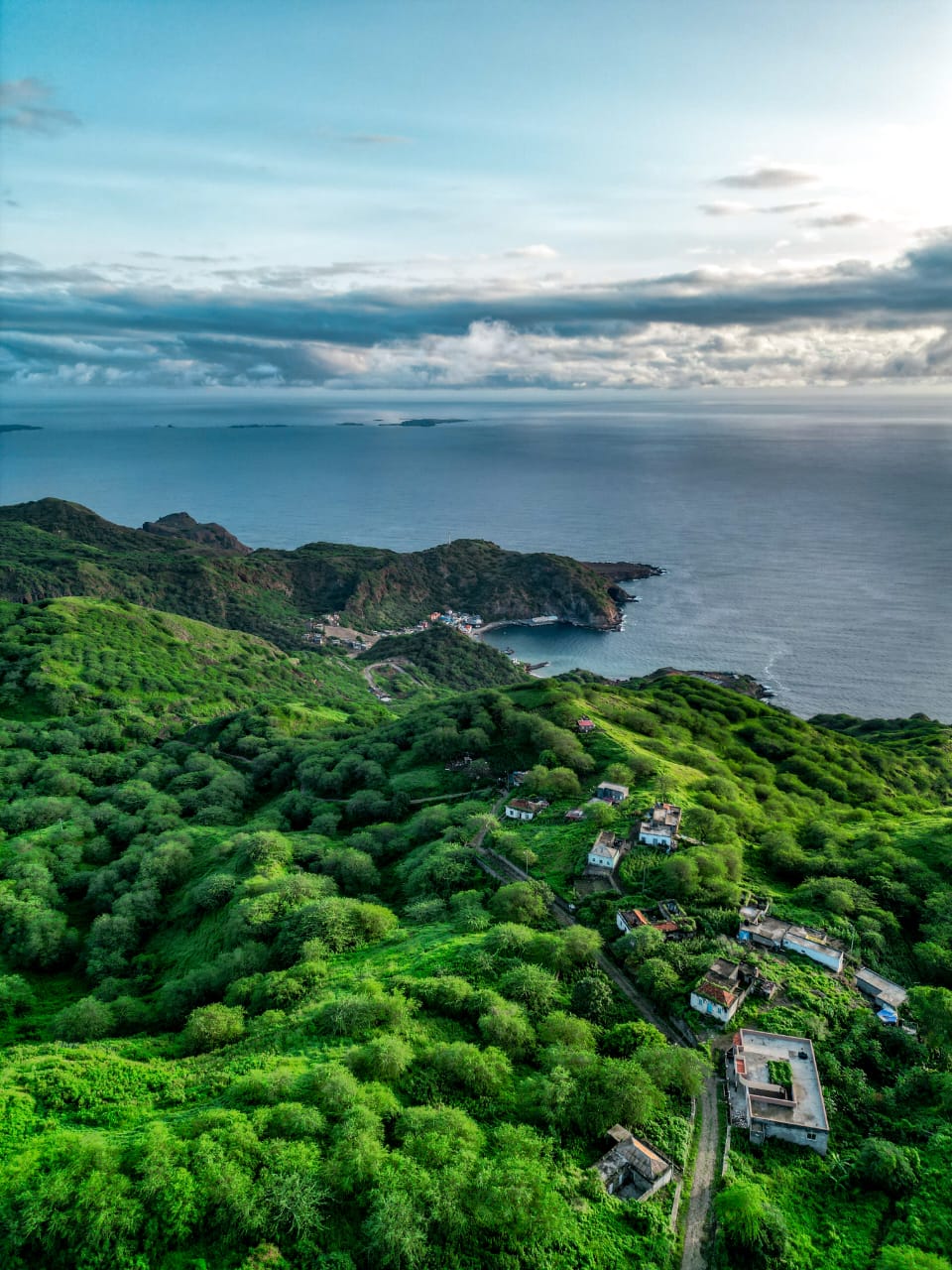
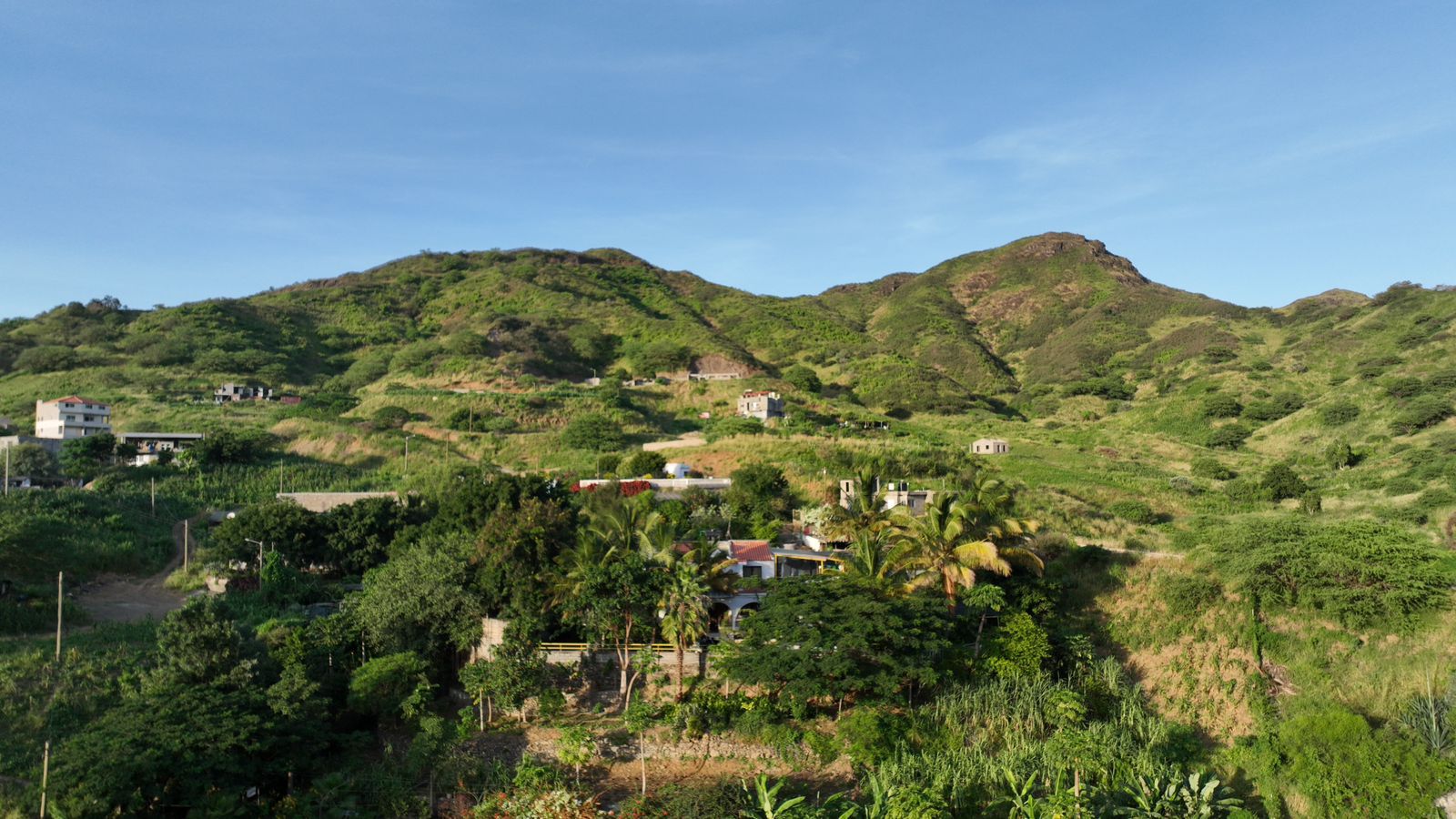
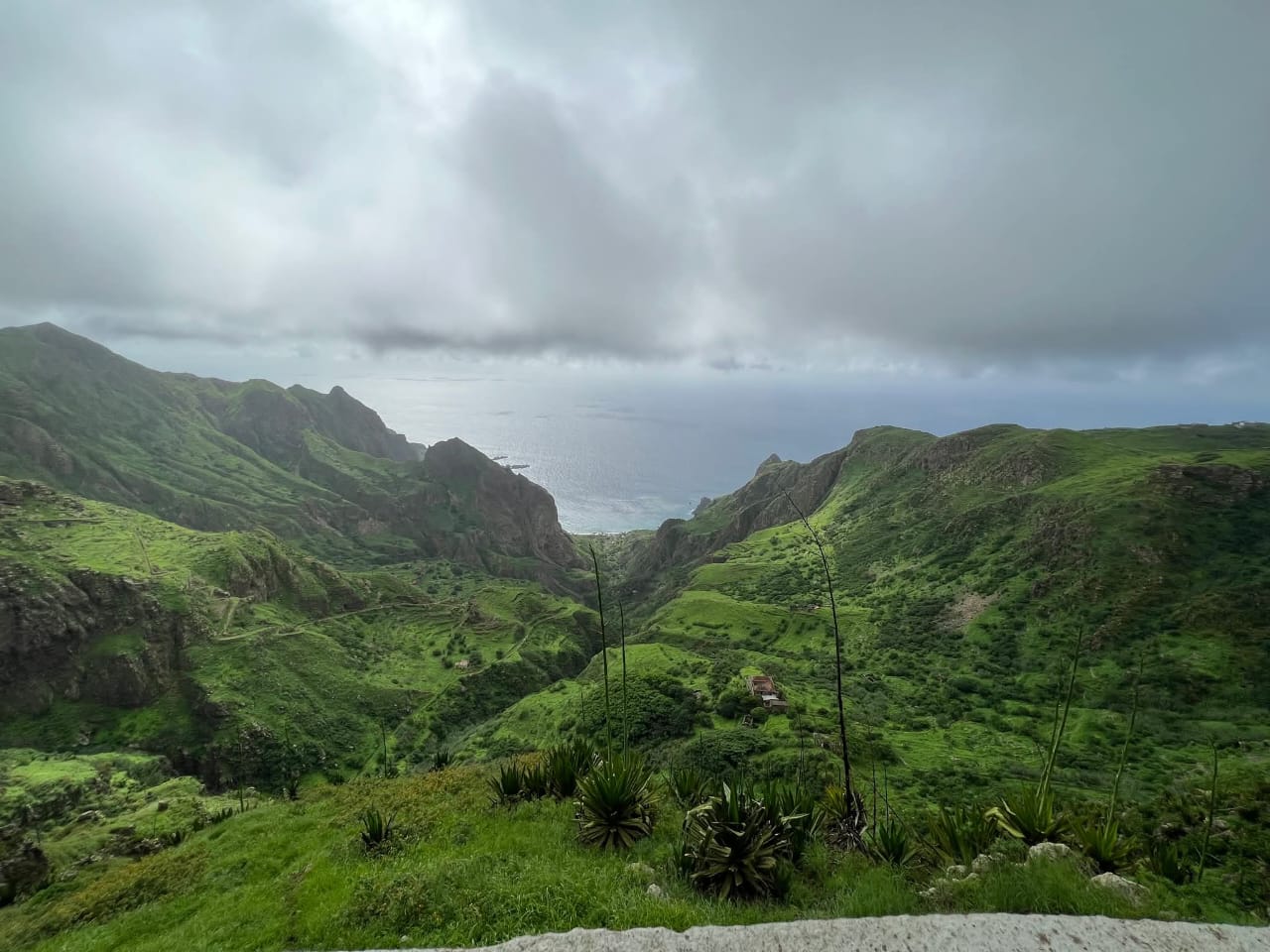
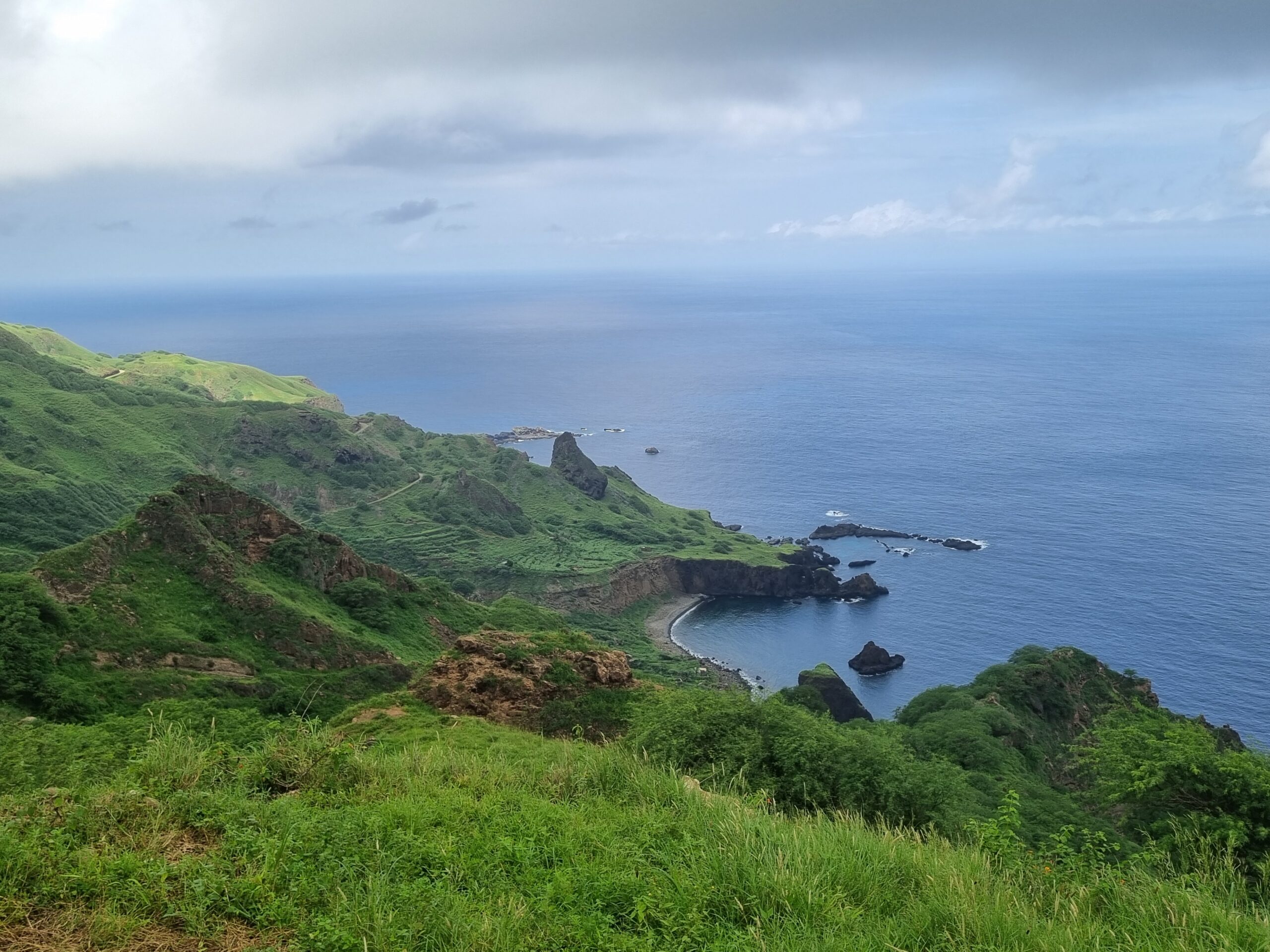
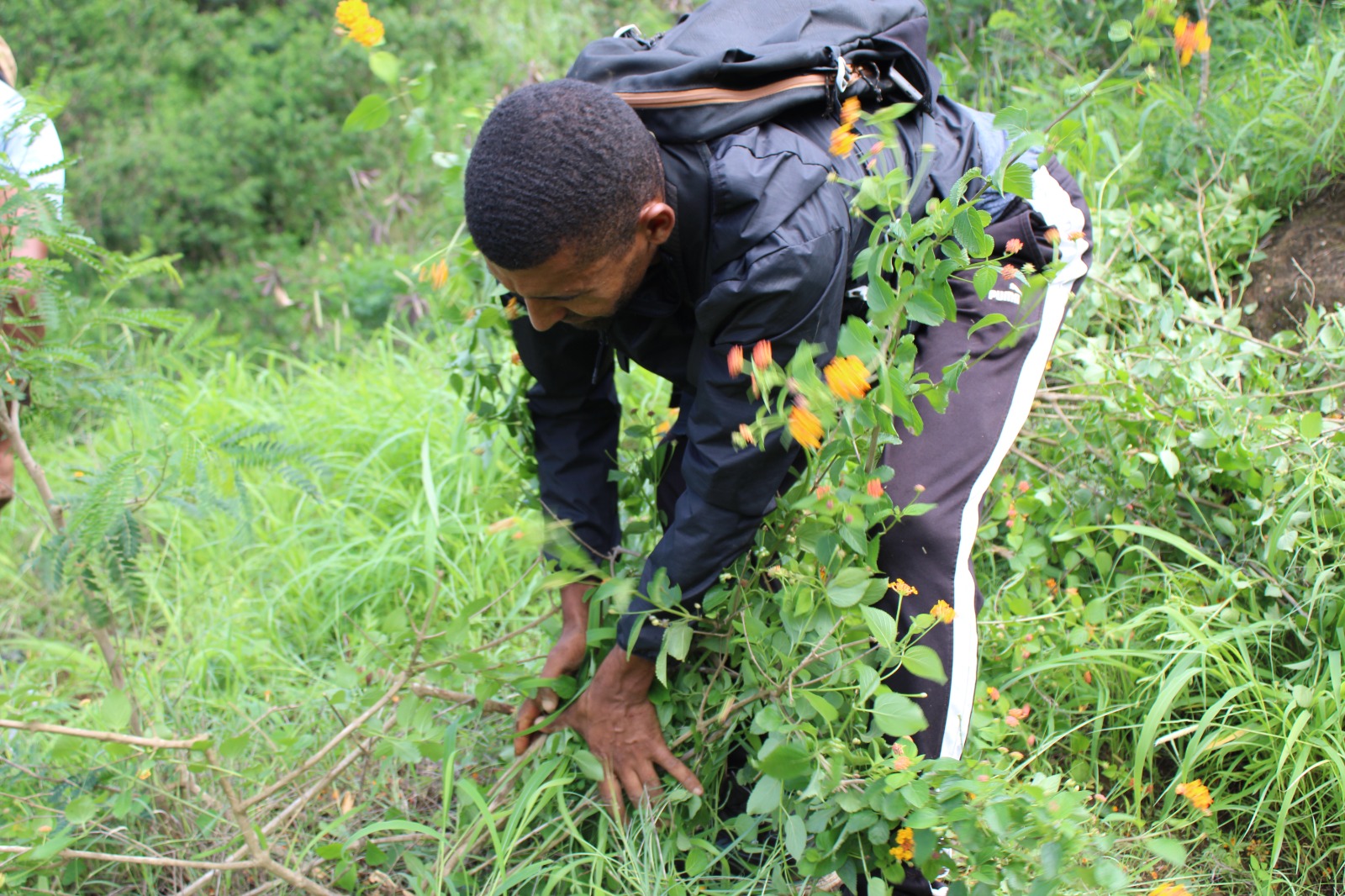
The rapid and intense land transformation has led to the “invasion” of introduced species, and a breakdown of the social controls of previous grazing regimes. In Brava, Lantana camara dominates the sub-humid, high-altitude forested landscape, Furcraea foetida dominates the rocky cliffs, and Prosopis juliflora dominates the arid coastal regions. Their domination leaves little scope for natural regeneration of endemic biodiversity, reduces pasture availability for cattle, diminishes cultivable land (as removal labour costs are prohibitively high for land users), and destroys traditional pathways and trails, negatively impacting potential eco-tourism revenue. Cattle breeders often do not have access neither to land and capital to invest in the infrastructure for semi-intensive, controlled grazing nor the latest knowledge and technologies on animal wellbeing for increased productivity. Access to medicines to deal with new pests and diseases is limited.



Pathways Forward
In the context of the urgency of the intersecting climate and biodiversity crises, theorising without reflection on pragmatic action is of little use: it is not sufficient to engage with social science literature only to critique the past and provide fodder for intellectual discussions.
The harsh environmental and social conditions have induced a culture of incredible hard work, sacrifice, resilience, and persistence, especially in agricultural labour. In addition to providing culturally relevant nutrition, agriculture is a form of cultural expression deeply ingrained in the psyche of rural Cape Verdeans. This is an important reason why, despite extremely challenging conditions, these practices resist and persist.
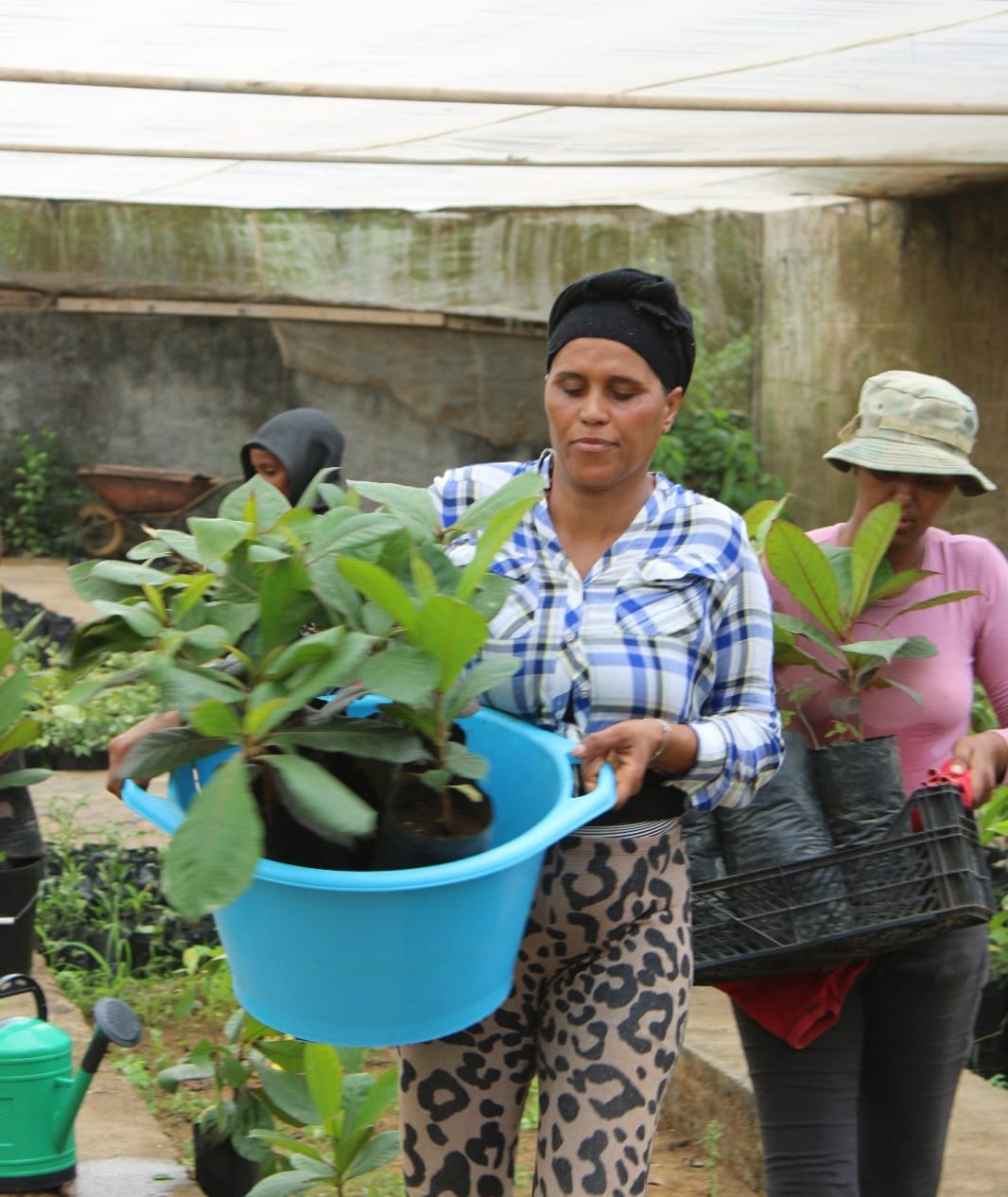
Various examples across Cabo Verde prove that innovative management of natural resources (agroecology) can simultaneously benefit biodiversity conservation and agricultural productivity. Inspiring examples include:
- The Center for Ecological Promotion in São Domingos, Santiago. Mr. Filomeno Rodrigues (Zeca) and Mrs. Fatima Rodrigues, the founders, firmly believed in the agricultural potential of interior Santiago and used their knowledge and resources to transform a desertified landscape into an agroecological oasis, providing fresh food, ecosystem services, and harbouring native and endemic biodiversity.
- Mrs. Gidinha and Mr. Lilinho’s sustainable, controlled, semi-intensive livestock rearing operation in Mato, Brava, which simultaneously provides dairy products, meat, and ecosystem services of invasive species control.
- Mr. Jose Andrade’s agroecological transformation of the ‘Sorno’ landscape in Brava for diverse cultivation that intercrops sugarcane with other useful species.
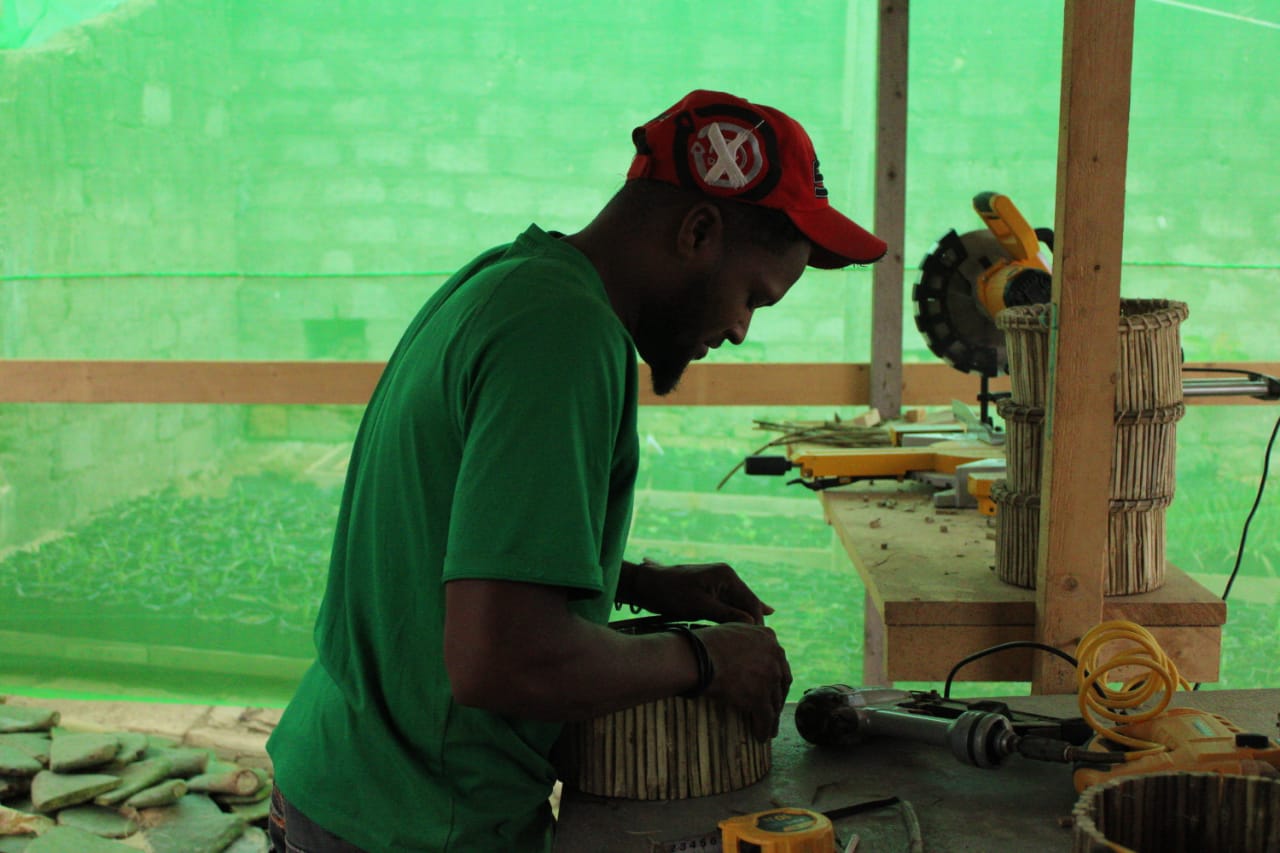
The future of conservation lies not in separating people from nature, but in empowering communities to revitalize their agroecological traditions by accessing old and new knowledge systems and technology and reinforcing the importance of the protection of endemic biodiversity. By building on cultural persistence, local knowledge, and innovative resource management, it is possible to craft strategies that are both socially just and ecologically resilient. The culturally ingrained practices of agriculture and cattle rearing can be mobilized for biodiversity preservation, provided that the right resources are made available and the direct and indirect benefits of biodiversity are appropriately shared and distributed.
Read more: Part 3 – Developing a methodology for pragmatic and socially just conservation in Brava.