Botanical Trail of Endemic, Native, and Naturalized Species on Brava – The Island of Flowers
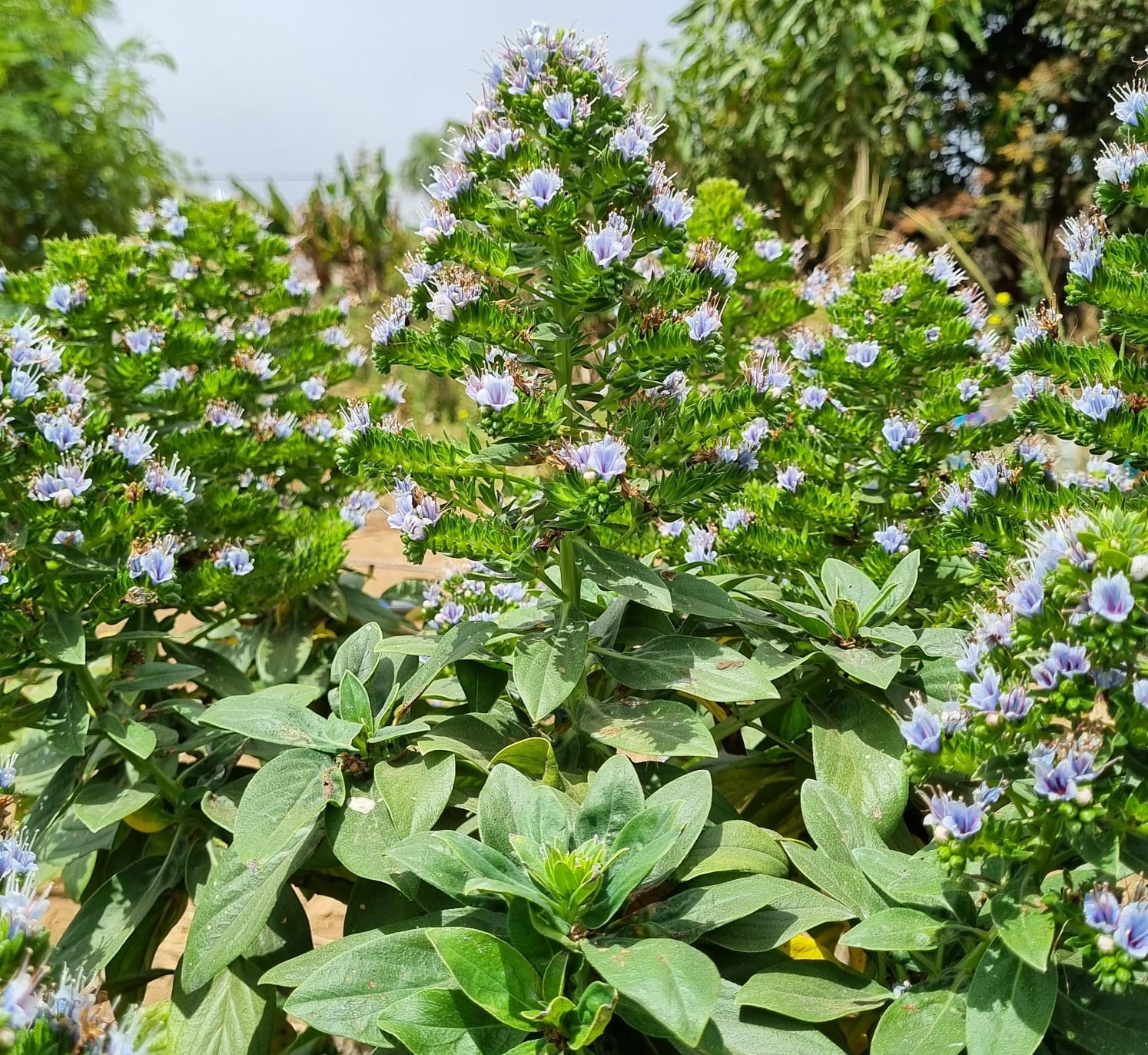
Context: Brava, known as the “Island of Flowers,” boasts rich plant biodiversity, with high levels of endemism and a mix of native and naturalized species. Many of its original forest trails have fallen into disuse or been overrun by invasive species, limiting access to these unique ecosystems. There is a growing need to reconnect residents and visitors with Brava’s natural and cultural heritage, while fostering environmental awareness and promoting sustainable tourism.
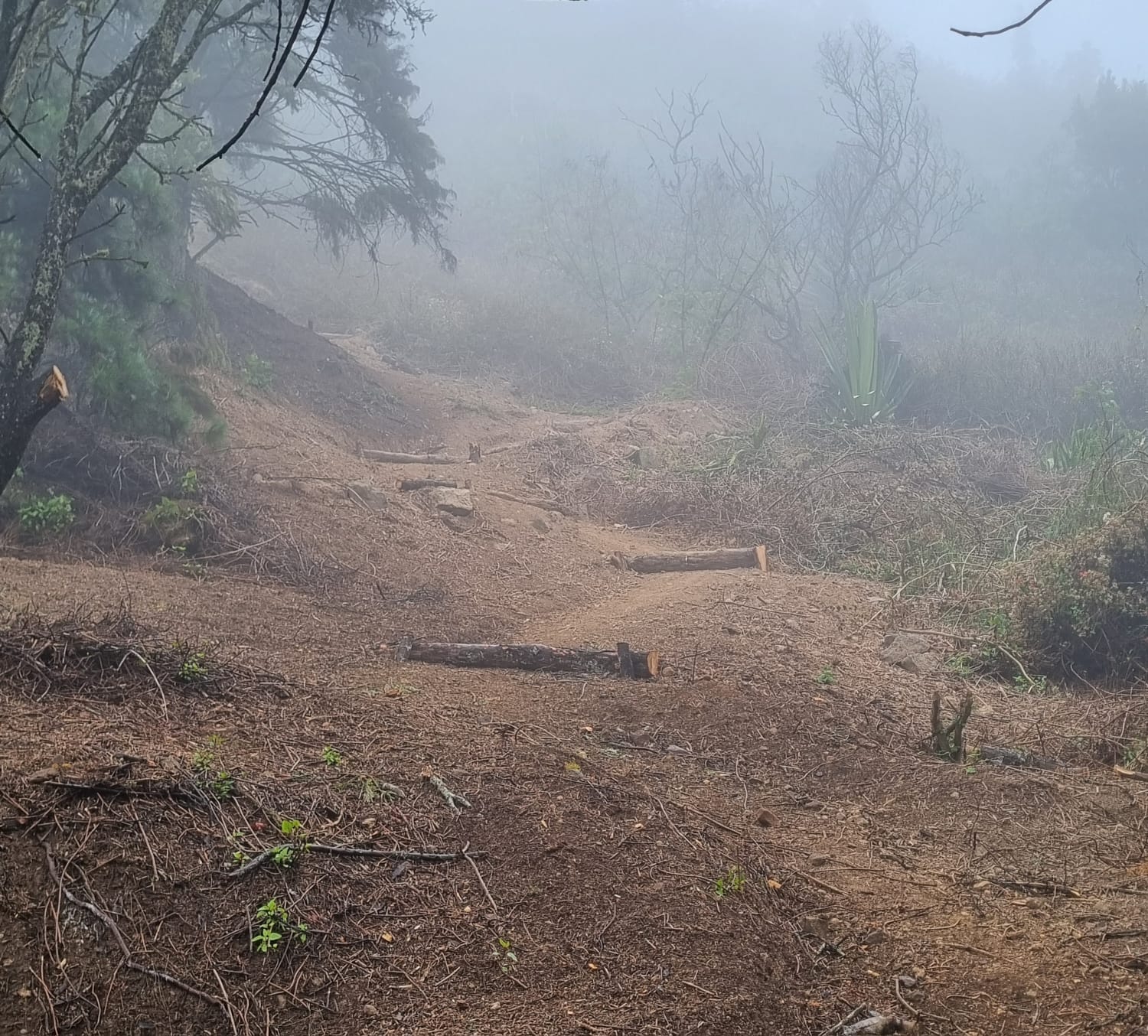
The Botanical Trail ‘Trilha das flores’ project seeks to restore and enhance these trails, creating educational and leisure opportunities that highlight the island’s biodiversity, history, and traditional uses of natural resources. By combining conservation, education, and ecotourism, this project strengthens both ecological resilience and community livelihoods.
Objectives
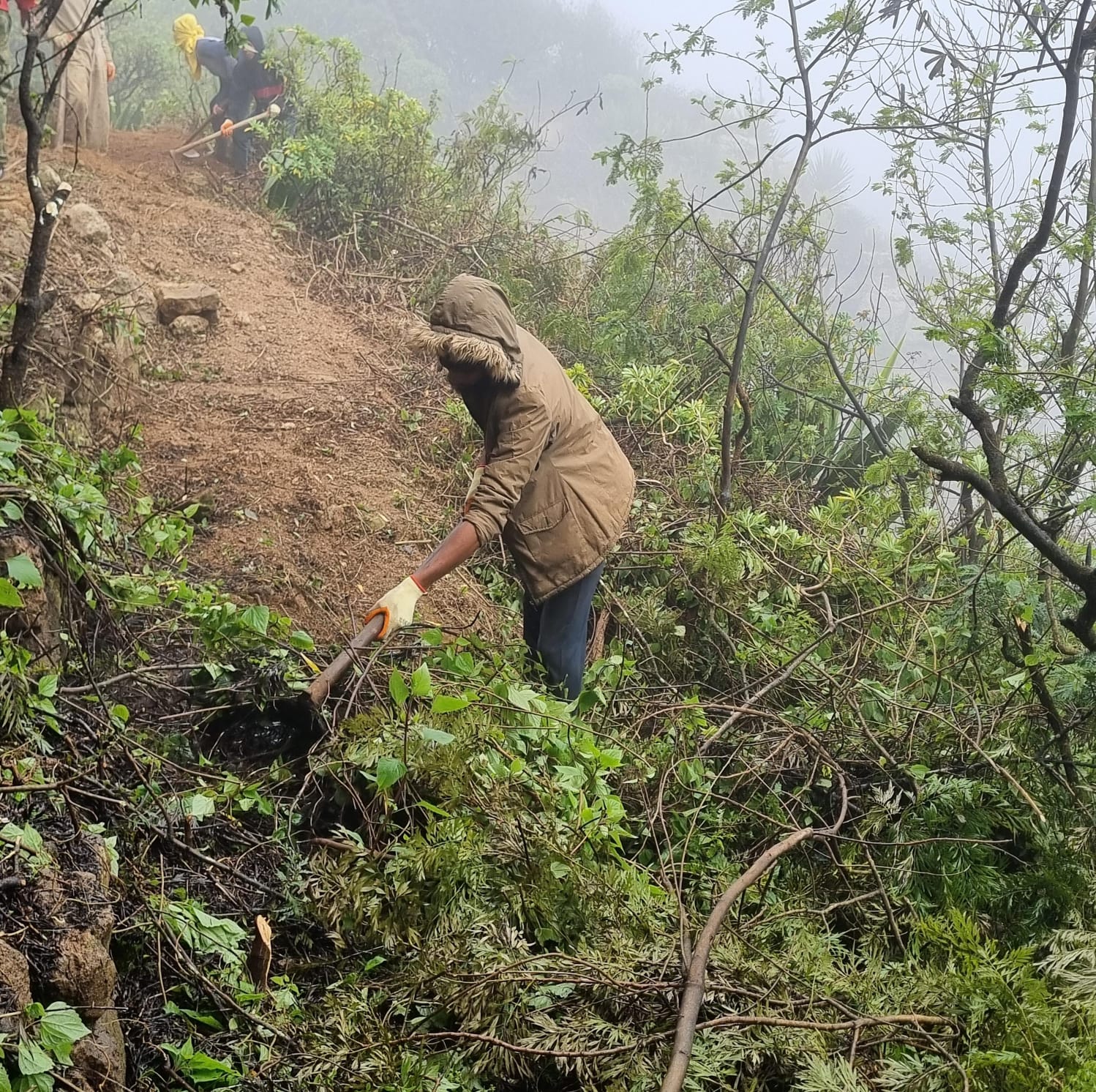
- Recuperation of original forest trails through invasive species management and habitat restoration.
- Production of educational materials and signage to highlight Brava’s endemic, native, and naturalized plants, their ecological roles, and traditional uses.
- Development of leisure spaces along the trails to encourage safe and engaging visitor experiences.
- Creation of guided botanical trails led by trained local guides, providing in-depth knowledge on species identification, conservation, and cultural practices.
- Promotion of eco-tourism initiatives by narrating Brava’s history and natural resource management through the lens of its primary economic sectors, water use, and traditional practices.
Expected Impact
- Increased awareness of Brava’s unique biodiversity and cultural heritage.
- Restoration of original forest trails and improved habitat connectivity.
- Empowerment of local guides and communities through ecotourism and environmental education.
- Sustainable visitor engagement with the environment that generates income while protecting ecosystems.
- Integration of conservation and cultural history in tourism, strengthening the link between people and nature.
- Support for broader conservation goals, including the protection of endemic and endangered species.
Results (ongoing)
- Original forest trails cleared of invasive species and restored for safe access.
- Informational signage and educational materials developed and installed.
- Leisure spaces, such as rest areas and observation points, created along trails.
- Local guides trained and employed to lead educational and eco-tourism activities.
- Structured eco-tourism itineraries developed, integrating biodiversity, history, and traditional knowledge.
- Increased visitation and engagement with Brava’s natural and cultural heritage, supporting sustainable economic opportunities.
Current Support
- SMILO (Small Islands Organization)
- Ministry of Agriculture and the Environment