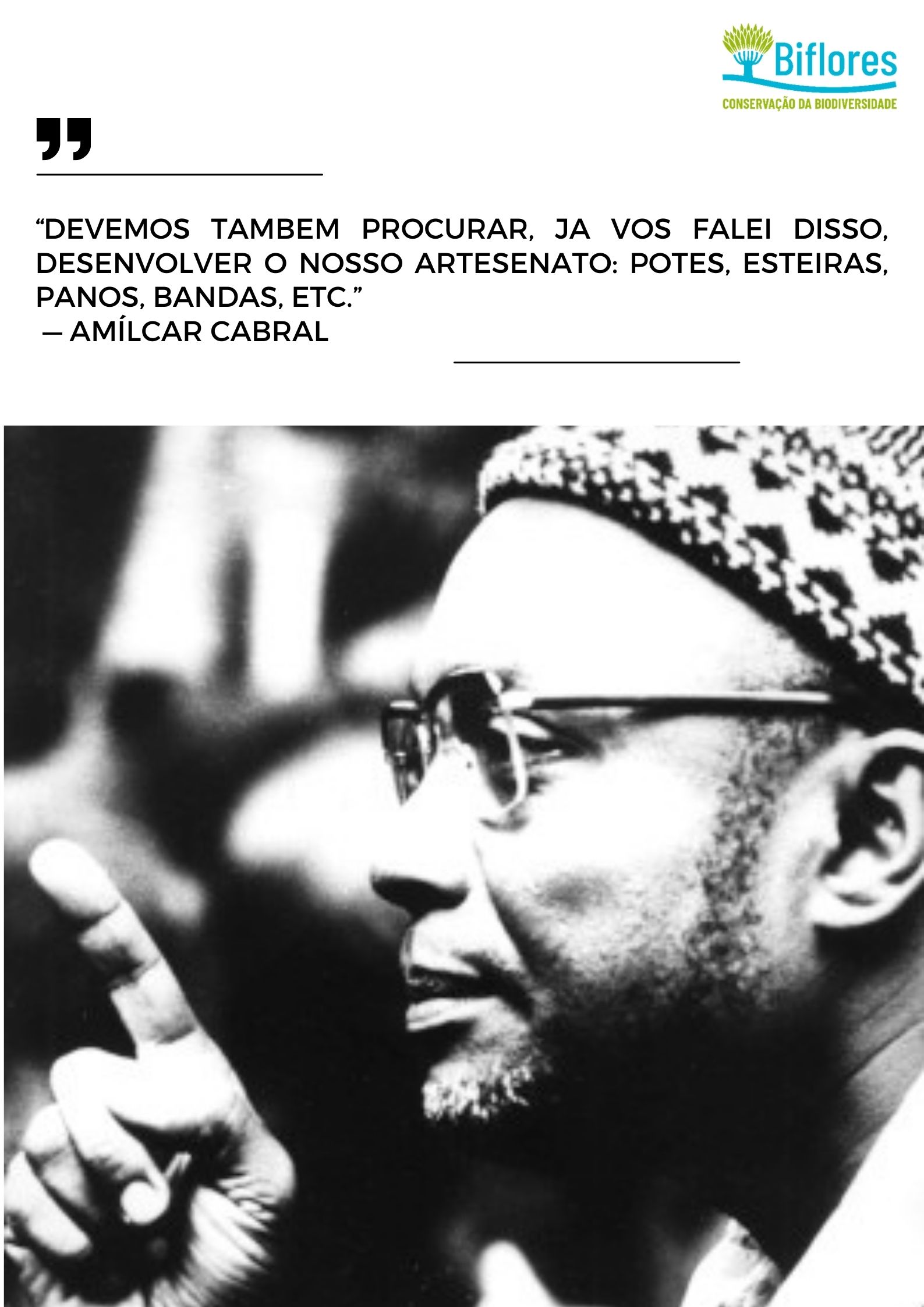


“We must also seek – I’ve spoken to you about this before – to develop our handicrafts: pots, mats, cloths, bands, etc.”
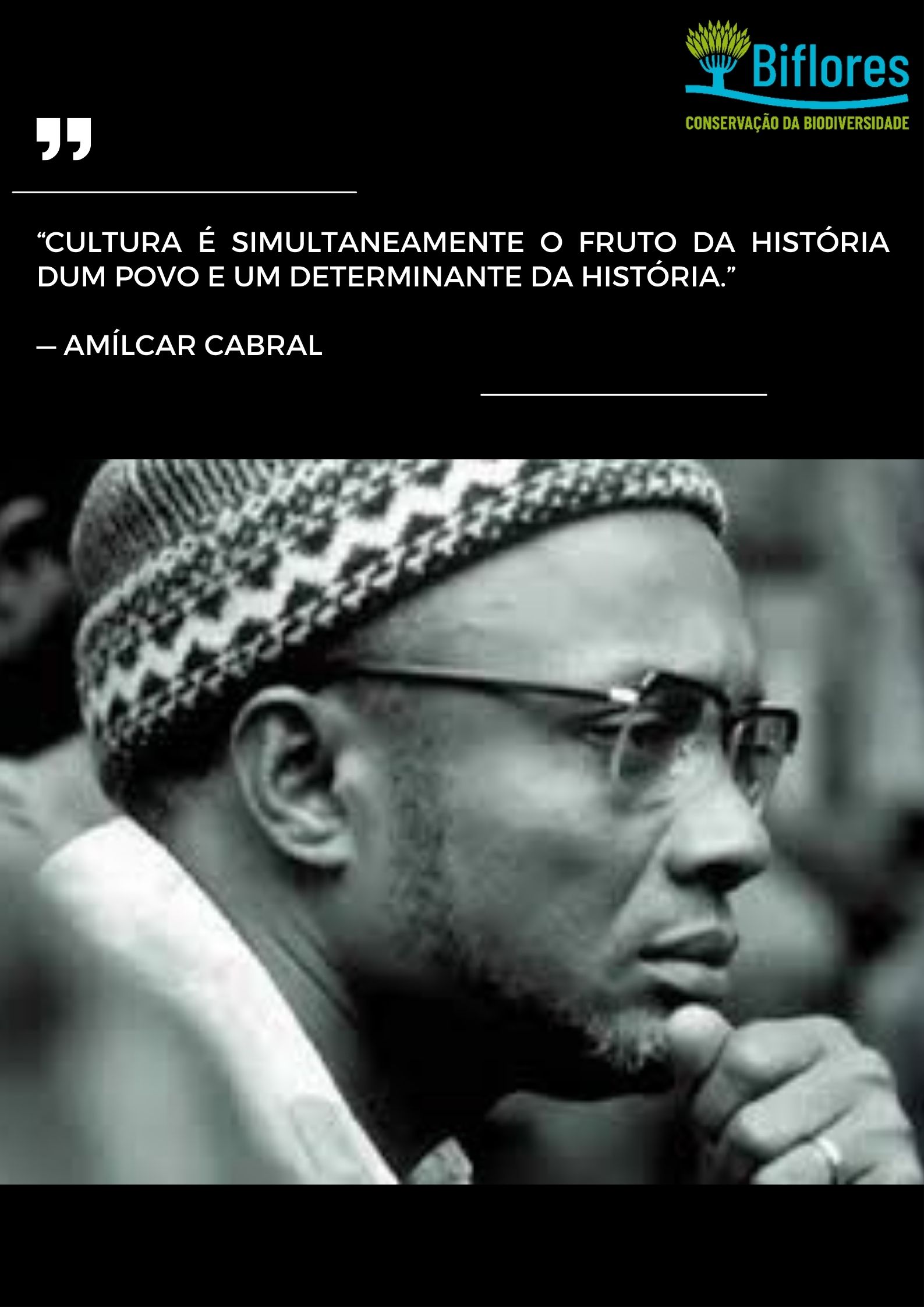
— Amílcar Cabral
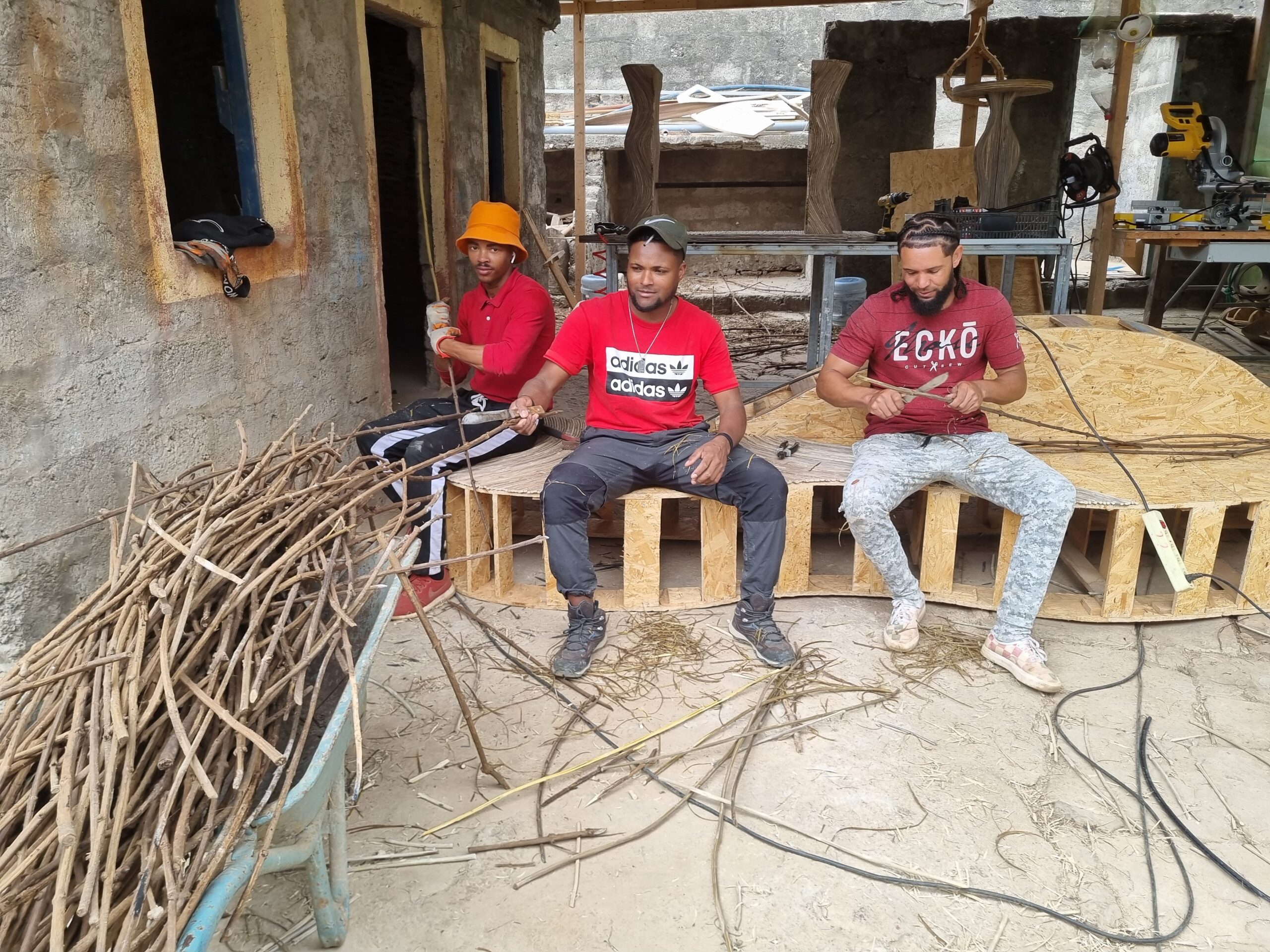
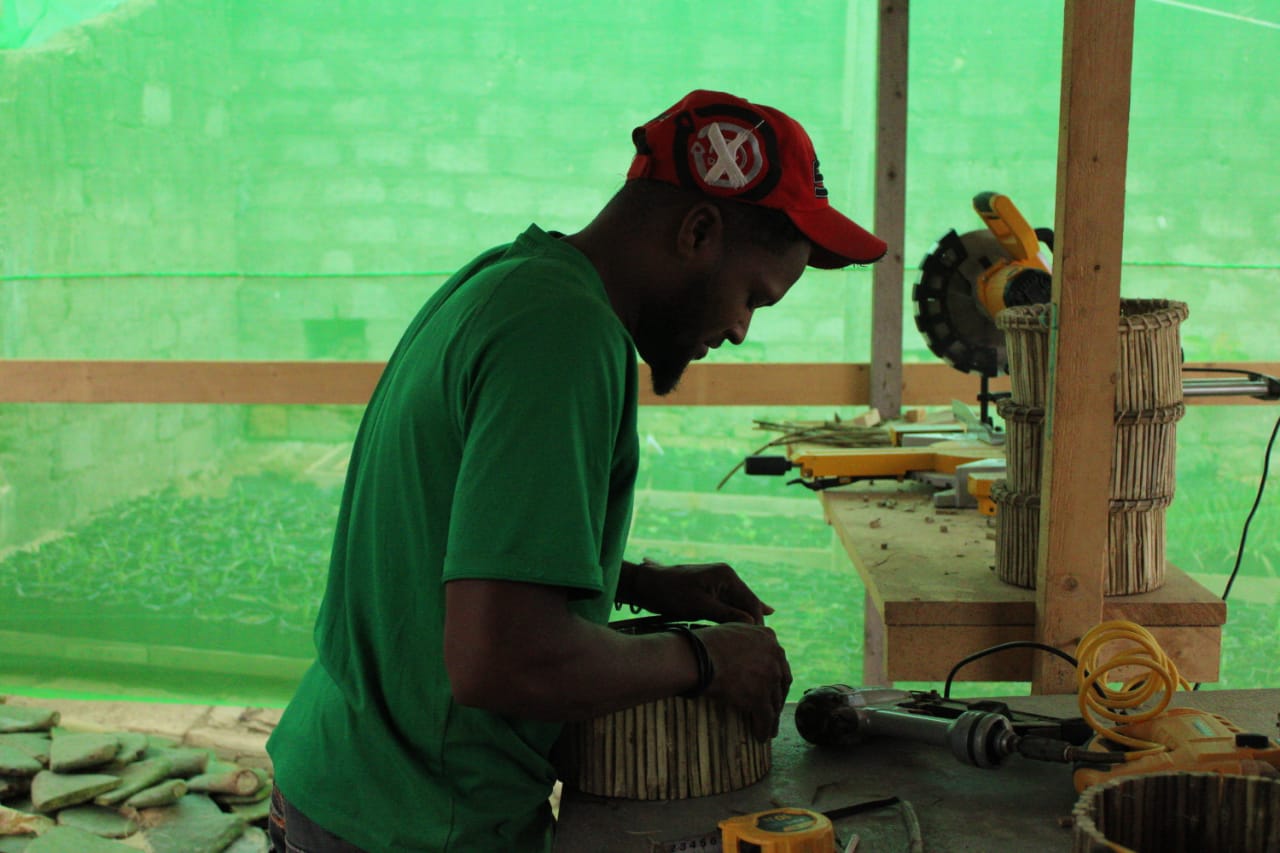
Artisanry is not only an economic activity. It is also a cultural and social expression that reflects the identity and creativity of a community. In Cabo Verde, handicrafts are a fundamental component in the nation-building process, as emphasized by Amílcar Cabral. Moreover, artisanry can be a strategic tool to promote sustainable development and stimulate associative practices that generate significant impacts on local communities.
Handicrafts must be analyzed from a holistic perspective, considering their various dimensions:
Economic: They offer income-generating opportunities for rural and urban communities, often in contexts with limited resources (Figueiredo et al., 2021).
Social: They promote inclusion, especially for marginalized groups such as women and youth, strengthening the social fabric of communities (Santos et al., 2022).
Cultural: They safeguard traditional knowledge and practices, contributing to the appreciation and transmission of intangible cultural heritage (Carvalho & Mendes, 2019).
Environmental: They reuse materials and encourage production practices with high positive environmental impact, aligning with the principles of the circular economy (Silva et al., 2020).
Handicrafts have the potential to act as a catalyst for associative practices, which are essential for community development. Some of the ways they can stimulate associativism include:
Creation of Collaboration Networks: Associative can facilitate the exchange of knowledge and experiences among artisans, fostering innovation and product diversification. Collaborative networks strengthen the capacity to compete in broader markets, both nationally and internationally.
Strengthening Collective Power: When organized into associations or cooperatives, artisans gain greater bargaining power with suppliers and clients. This can result in access to better materials, fair prices, and increased market visibility.
Access to Training and Resources: Artisan associations can organize technical training, workshops, and events that improve members’ skills while enabling access to financing and institutional support.
Promotion of Local and Community Identity: Associations act as guardians of cultural heritage, promoting products that reflect local identity. This creates a sense of belonging and pride, while also strengthening social cohesion.
Strategies to Support Associativism in Handicrafts: For handicrafts to fulfill their role as a tool for development and associativism, several key initiatives are necessary:
Creation of favorable public policies: Government support directed toward handicraft cooperatives and associations, with financing and tax incentives.
Market structuring: Development of strategies to ensure market access and promote handicraft products on national and international platforms.
Education and training: Capacity-building programs in management, marketing, and product innovation.
Recognition of local production: Implementation of certificates of origin that value and identify products as authentic and culturally significant.
Handicrafts are an activity deeply rooted in Cape Verdean identity and a promising driver of sustainable development, despite various structural challenges. By encouraging associative practices, handicrafts not only strengthen the local economy but also promote social cohesion, cultural preservation, and community growth. As Amílcar Cabral rightly pointed out, the development of handicrafts is not merely an economic opportunity, but also an essential element in building a fairer and more sustainable society.
References
- Carvalho, P., & Mendes, R. (2019). Cultural heritage and identity: the role of handicrafts in rural communities. Social Studies Review, 32(1), 45–59.
- Figueiredo, L., Almeida, C., & Silva, T. (2021). Handicrafts as a source of income and social inclusion in rural areas. Economic Studies, 48(2), 231–250.
- Santos, A., Correia, M., & Pereira, J. (2022). Gender and the creative economy: the role of women in sustainable handicrafts. Local Development Review, 15(3), 67–83.
- Silva, D., Matos, R., & Oliveira, J. (2020). Handicrafts and circular economy: a case study in the Cape Verdean context. Environment and Society, 23(4), 79–95.